
 The diversity of Turkey is an absolute inspiration. Leaving the vastness and eeriness of the rock formations of Cappadocia, we retraced our road inward to turn north to the Black Sea region for our next accommodation in Safranbolu.
Instead of mountains, the road took us through incredibly flat areas, where our view of the horizon seemed endless with no interruptions at all. This was such a contrast to our last few days of travelling through some amazing mountain ranges.
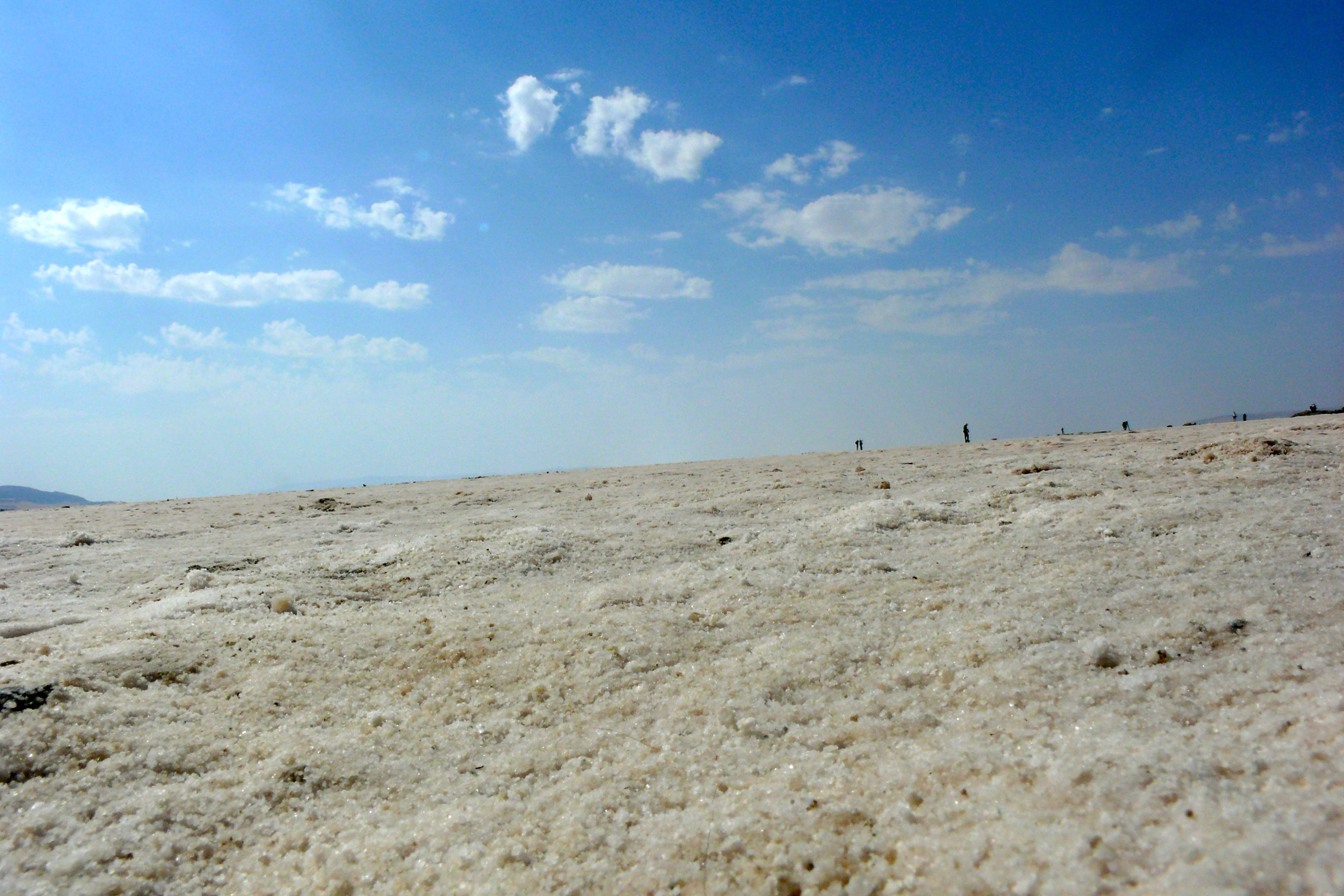
 This central part of Turkey has a huge salt lake, Tuz Gölü. There was a small amount of water, but this lake is similar in salt content to that of the Dead Sea, and contributes to a growing salt industry in Turkey.
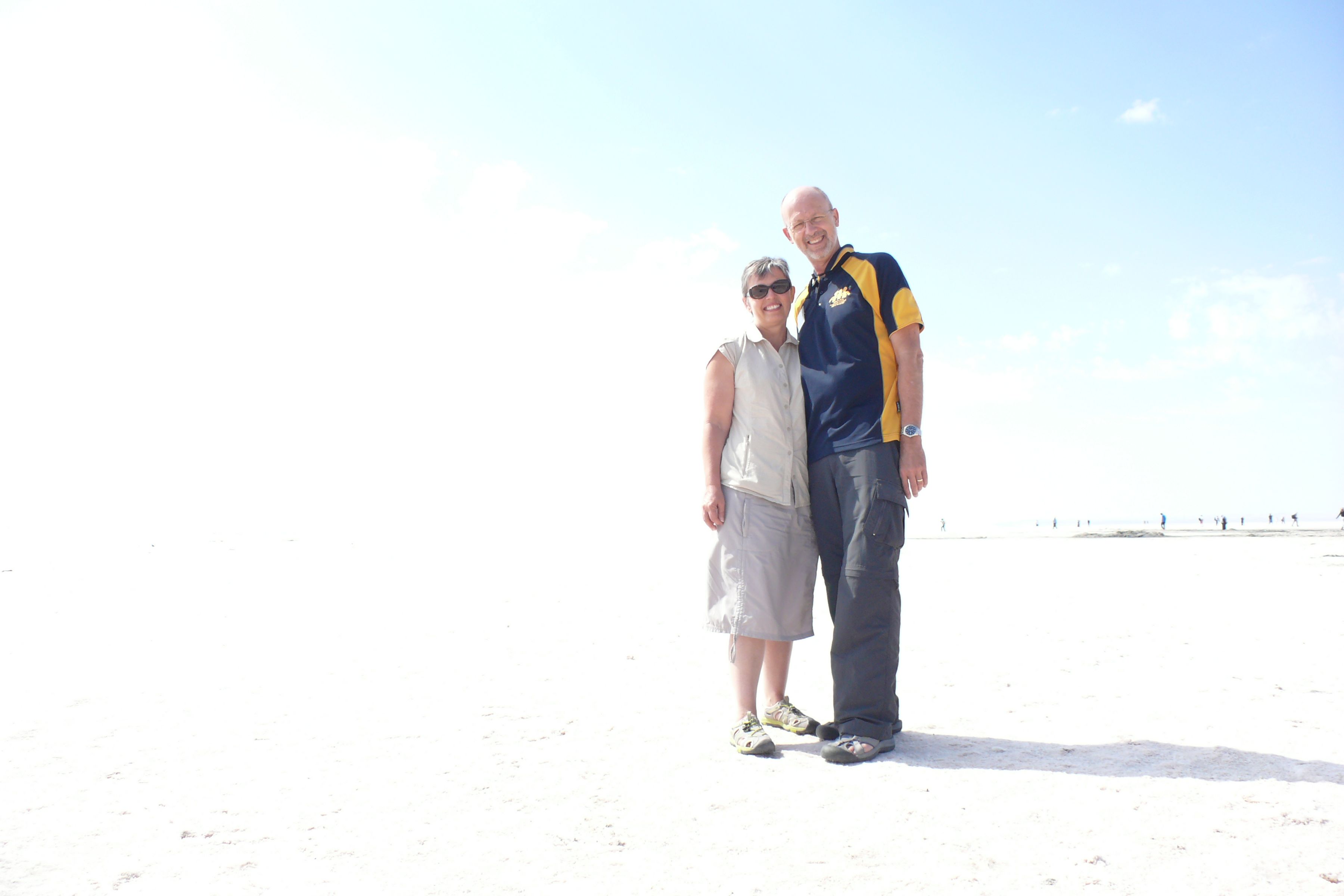
 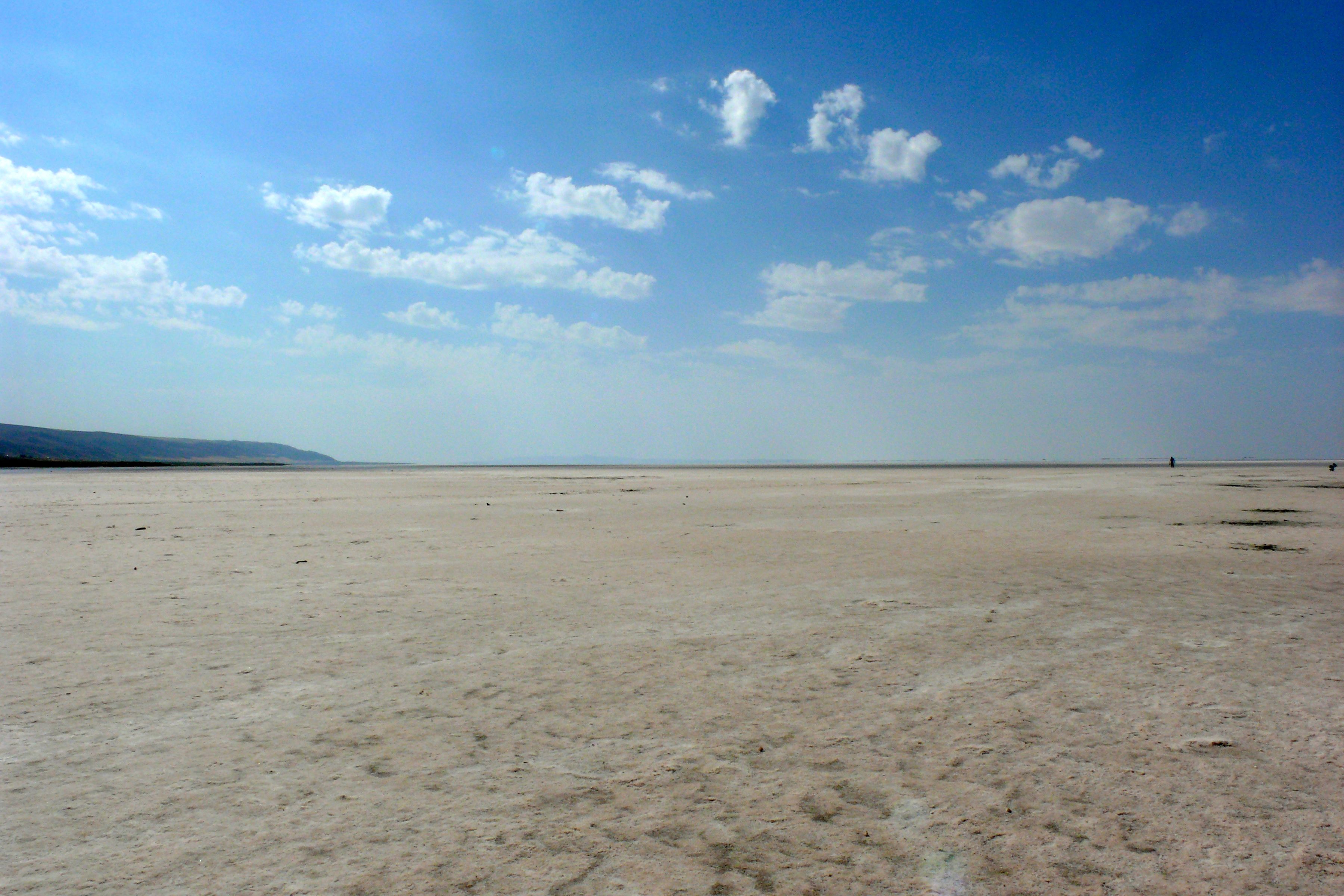 In summer, as this lake dries up, it reveals a 30cm thickness of dried salt. This was fascinating to drive past, and even more fascinating to walk on.
 We drove on to Ankara, the capital of Turkey, and found a huge well-planned modern city with many amenities.
 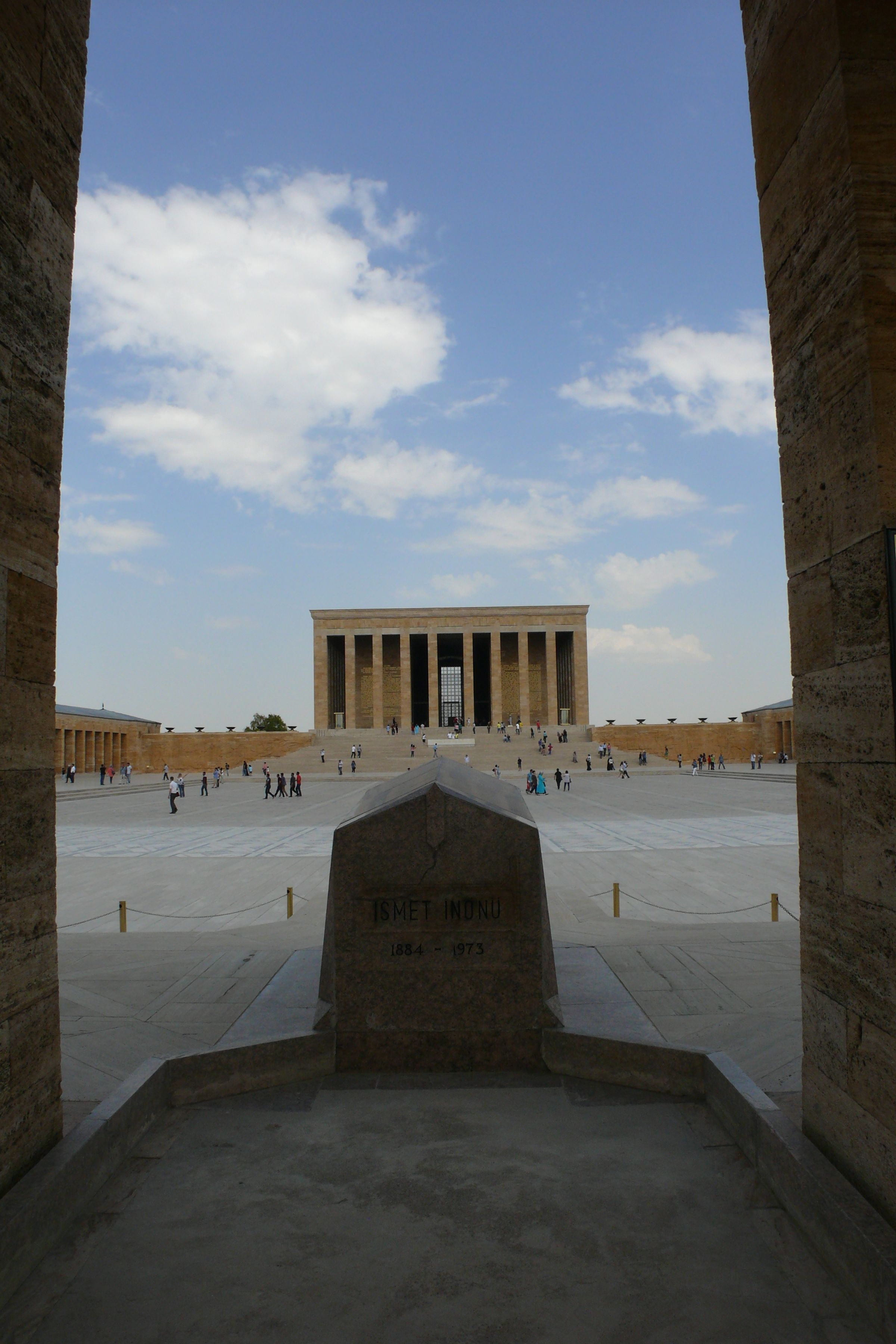 One of the points of pride for Ankara is that this is the place where Mustafa Ataturk is honoured by a huge complex acting as a memorial for this war hero and first president of the Republic of Turkey. This man was formational to modern Turkey as he led great reforms during the 1920s, saw the downfall of the Ottoman empire and the reigning caliphs, and brought Turkey to its independence in 1924.
 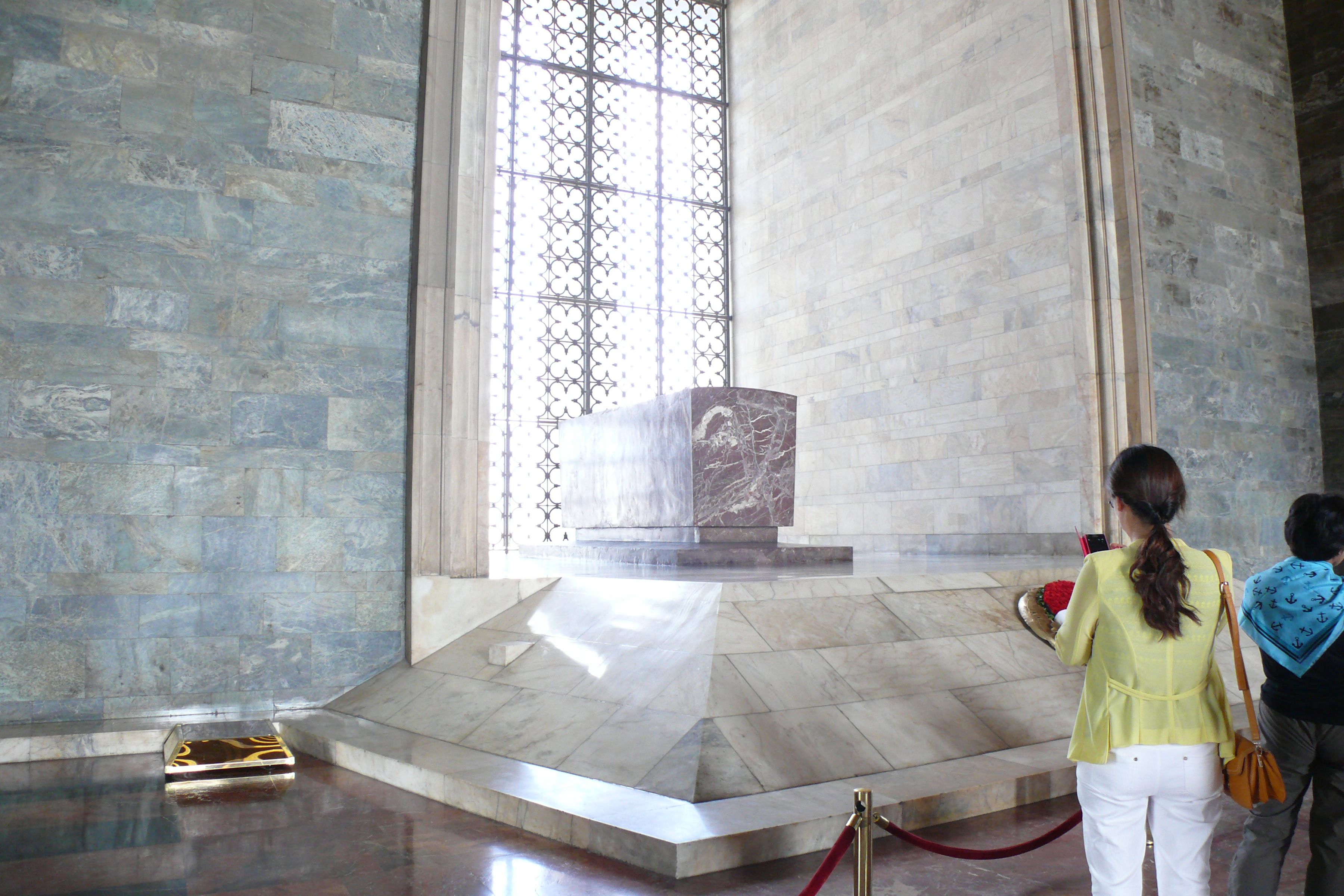 Ataturk’s mausoleum is housed in an amazing building, under which is a significant and moving war museum, with a huge diorama of the Canakkale campaign, which we know as Gallipoli.
  Mustafa Ataturk certainly gained our respect as we read about his life and achievements.
 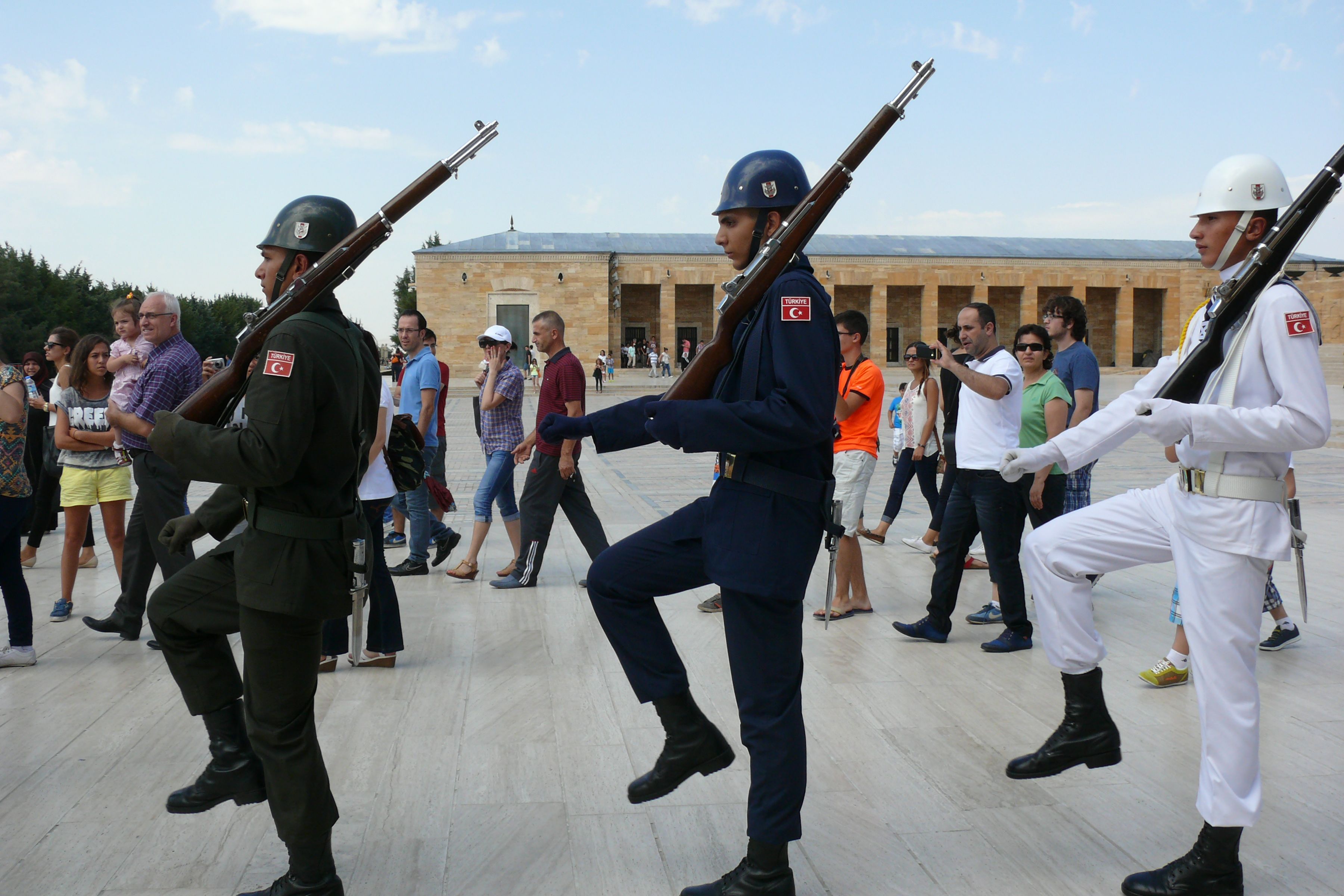 Our understanding of Turkey and its nationalism reached a new level as we took all this in. It was very impressive, as it appears this man was. We found the war museum very powerful,
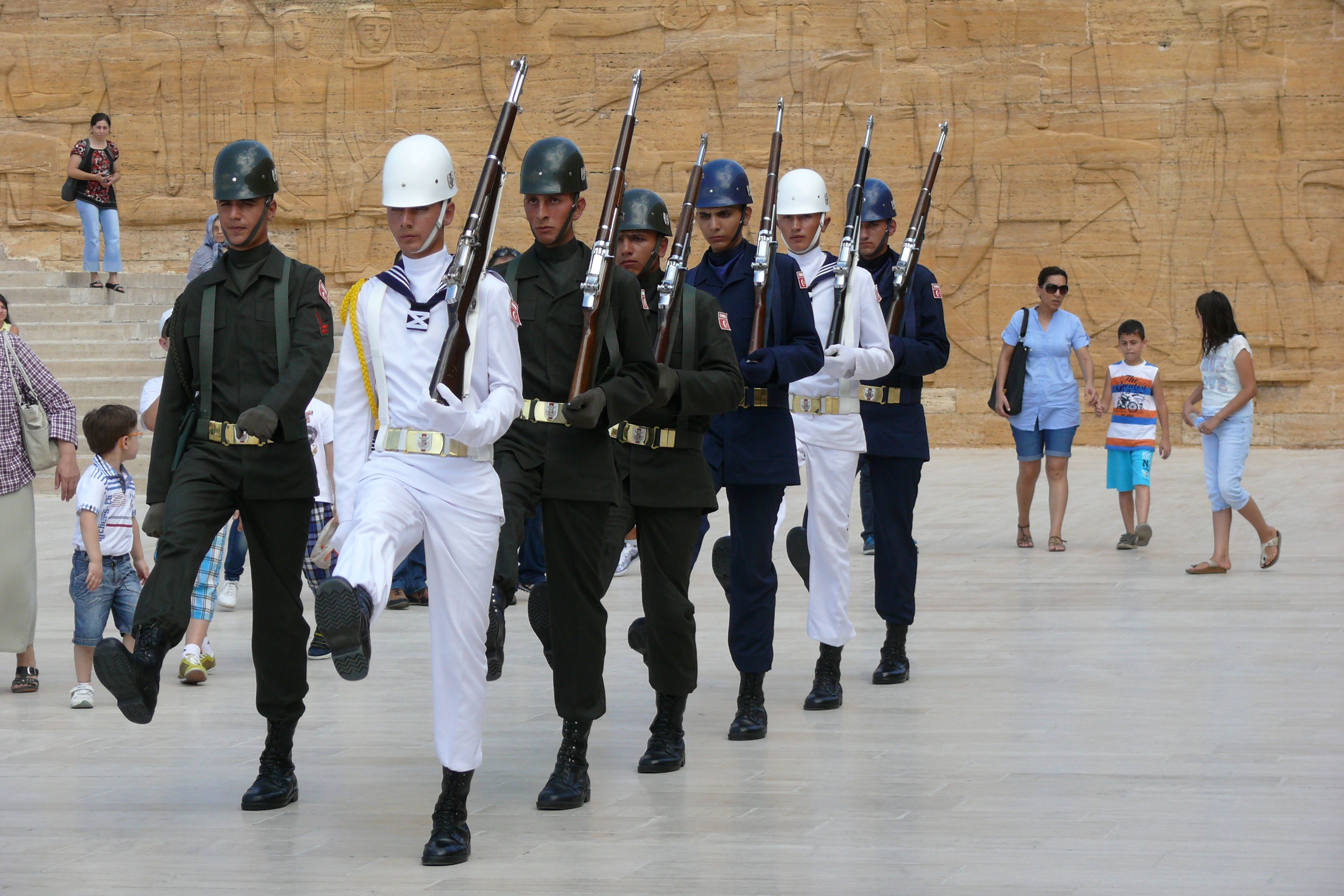
 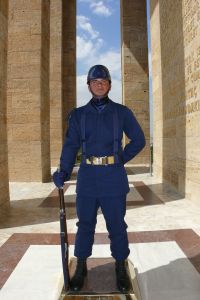 especially seeing the 1915 situation from a Turkish perspective. We arrived as the changing of the guards was happening – another quite impressive formality.
We continued on to yet another new insight into Turkey as we reached the saffron and turkish delight haven of Safranbolu. 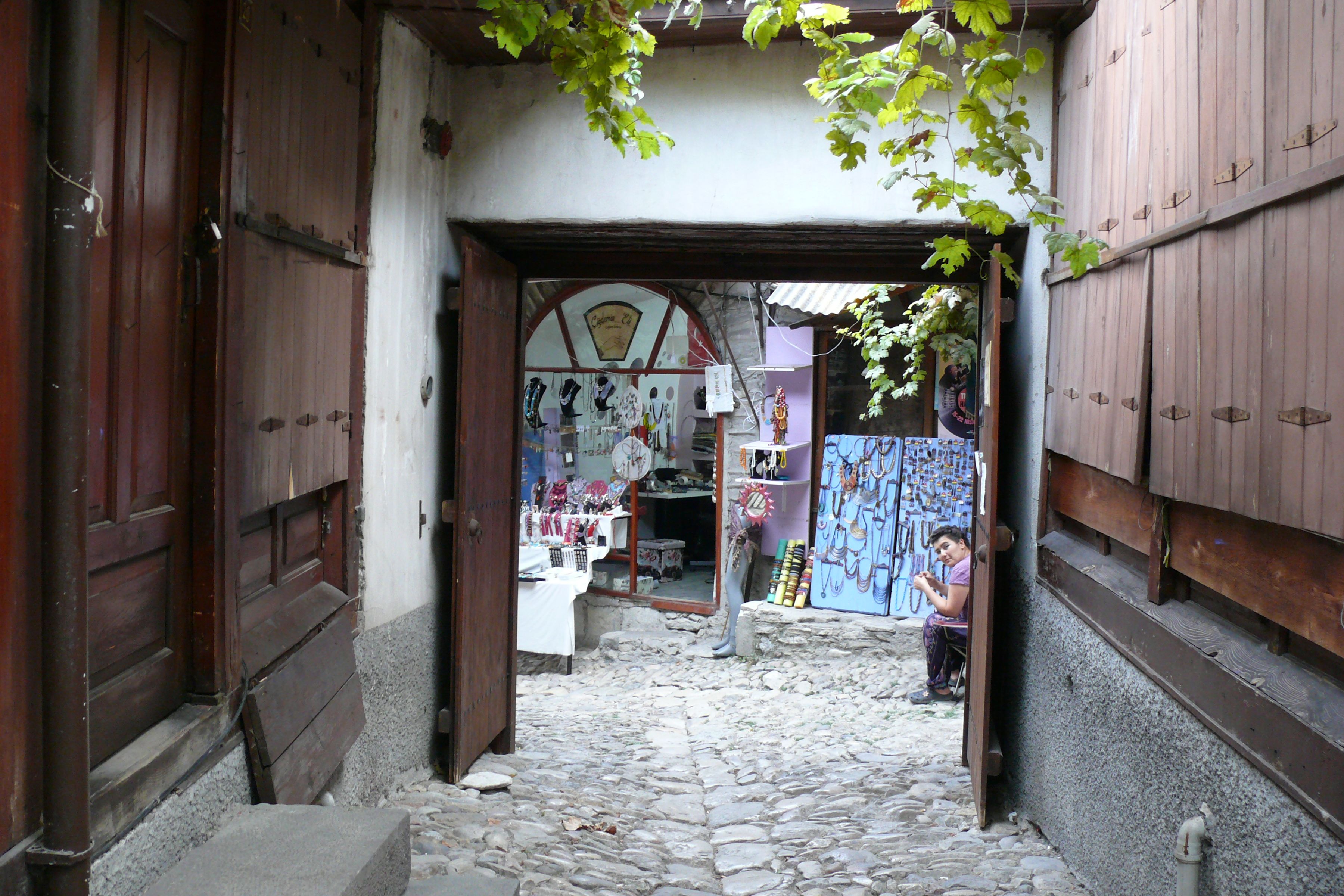 This little town is in the Black Sea region of Turkey towards the north, although we were still a distance from the actual Black Sea ourselves. This old village is an historic beauty as its building were built in a distinctive ottoman style from the18th century.
 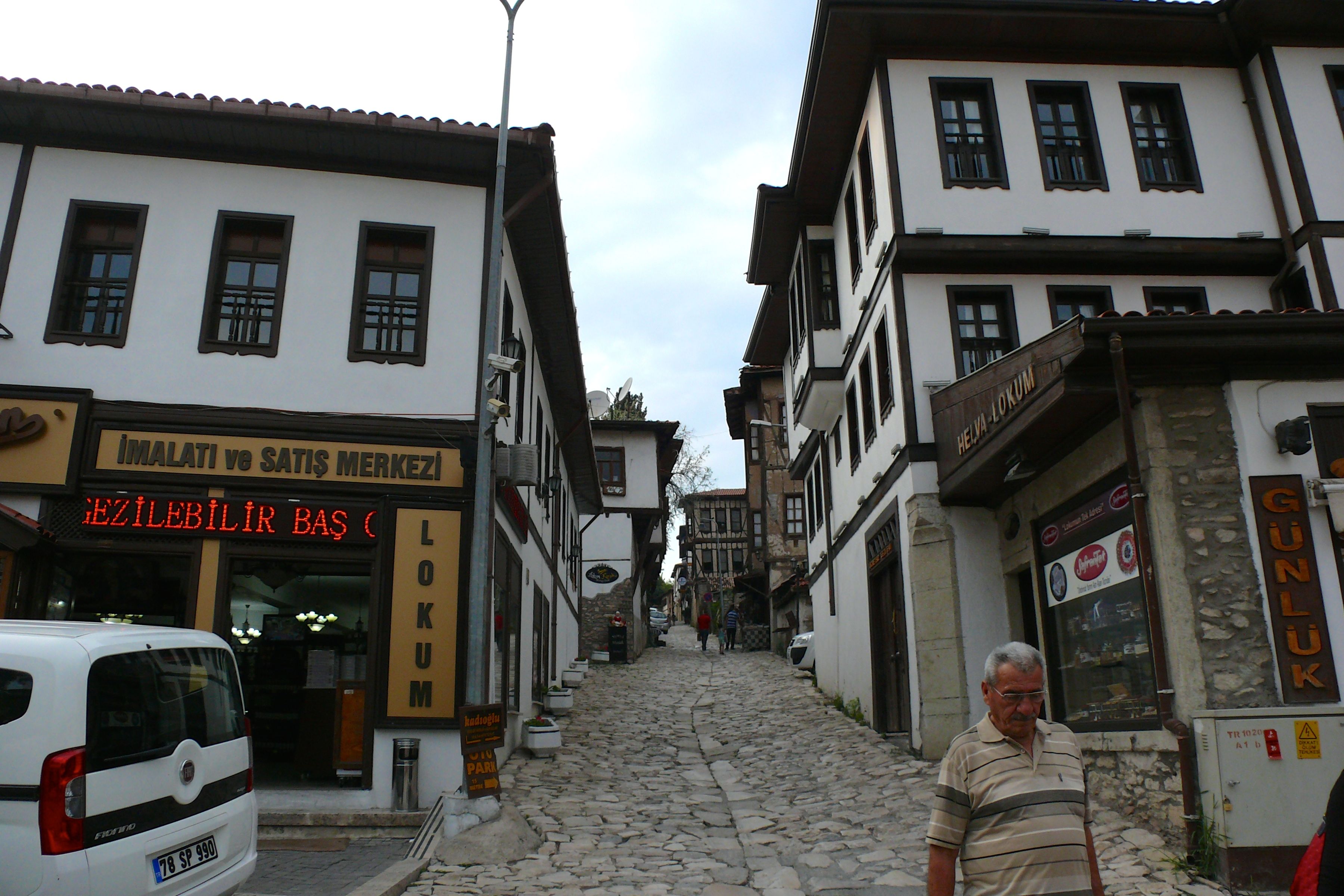 Not much of Turkey’s architectural history uses wood for its structures, but this town certainly has its own flavour.
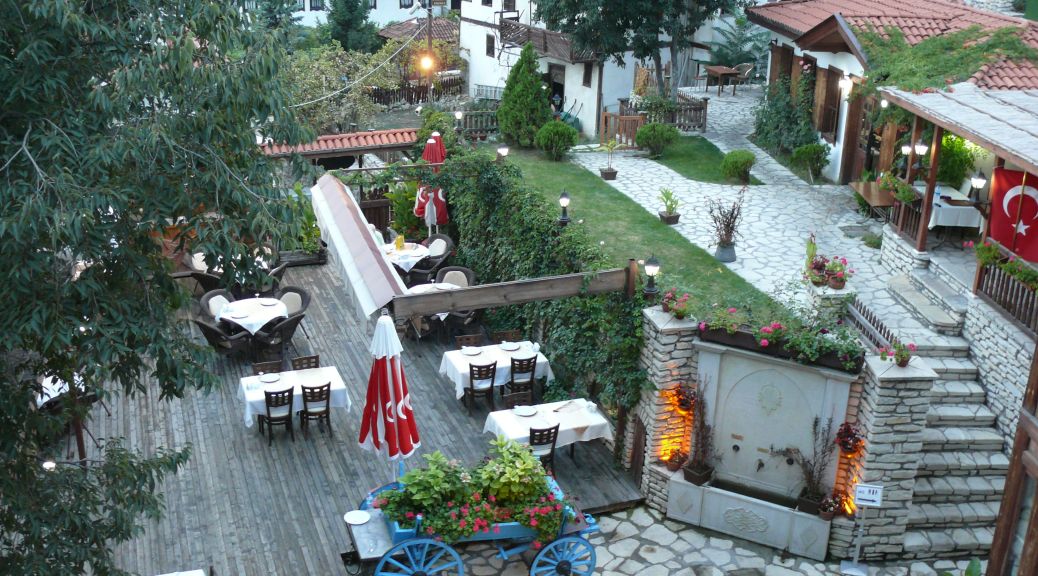
 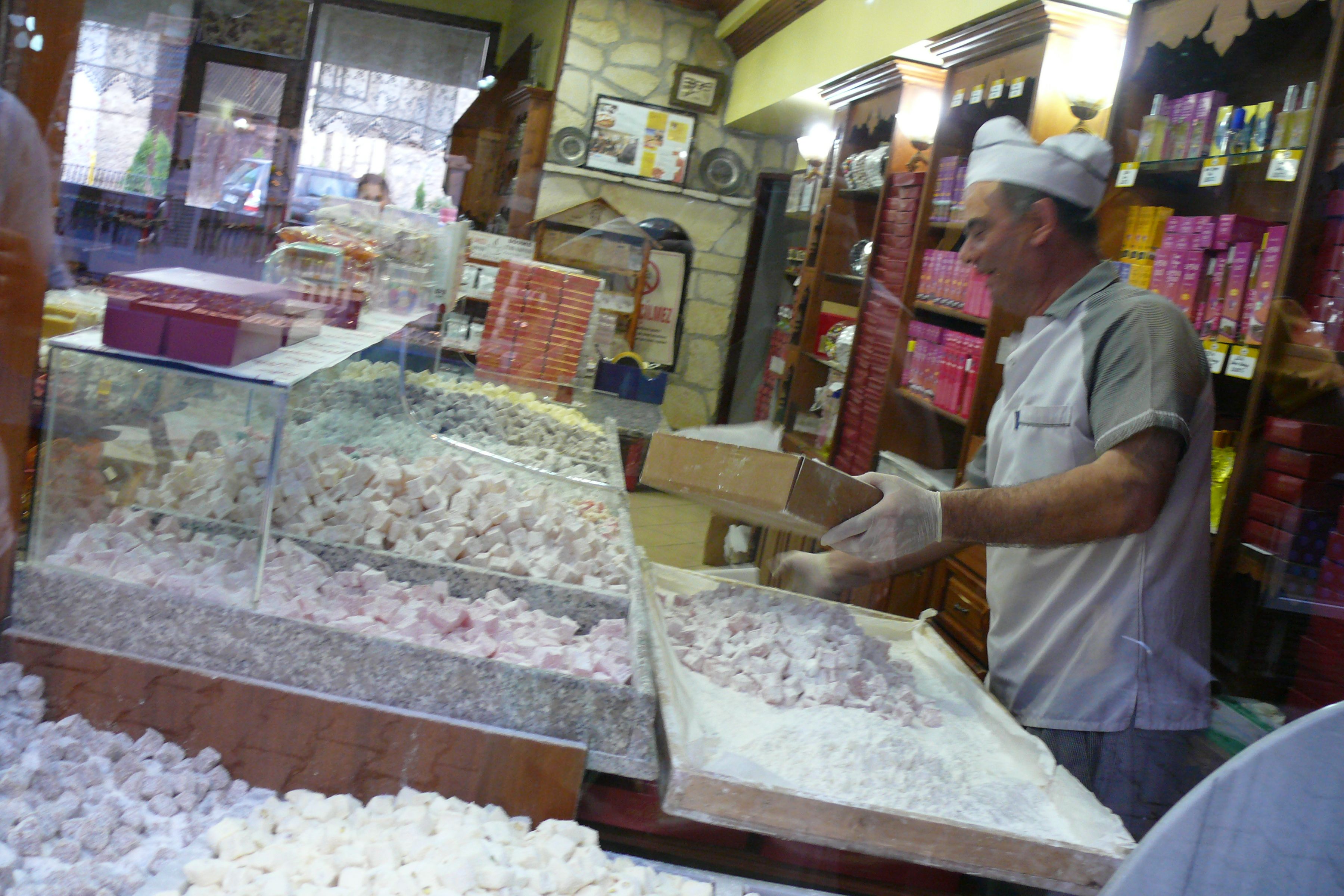 We stayed in an old Ottoman mansion, made of timber, which has now been converted into a hotel. It was very quaint, and we walked up cobblestone lanes to reach it.
 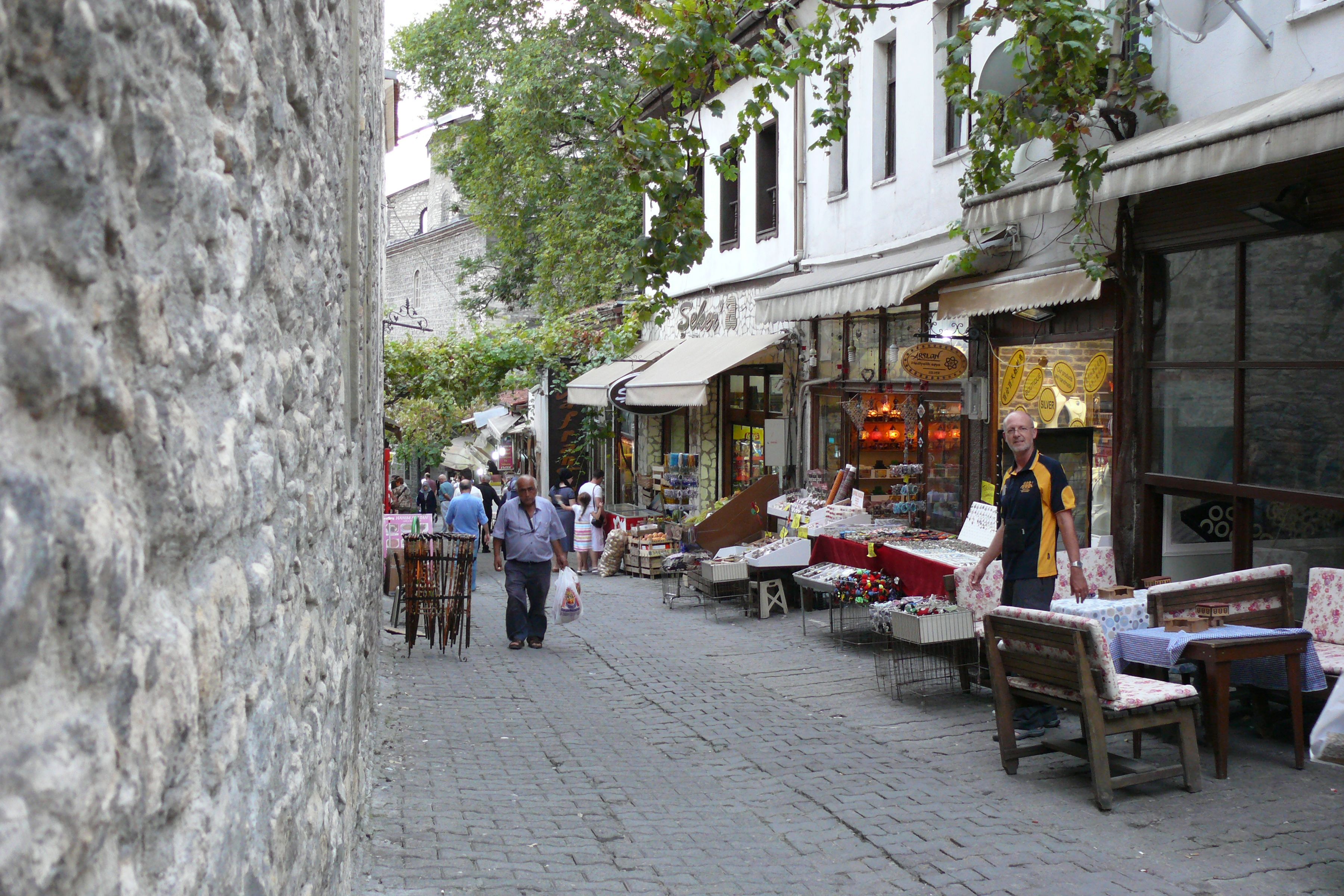 We had ample time to wander around and simply take in the atmosphere and engage with the locals.
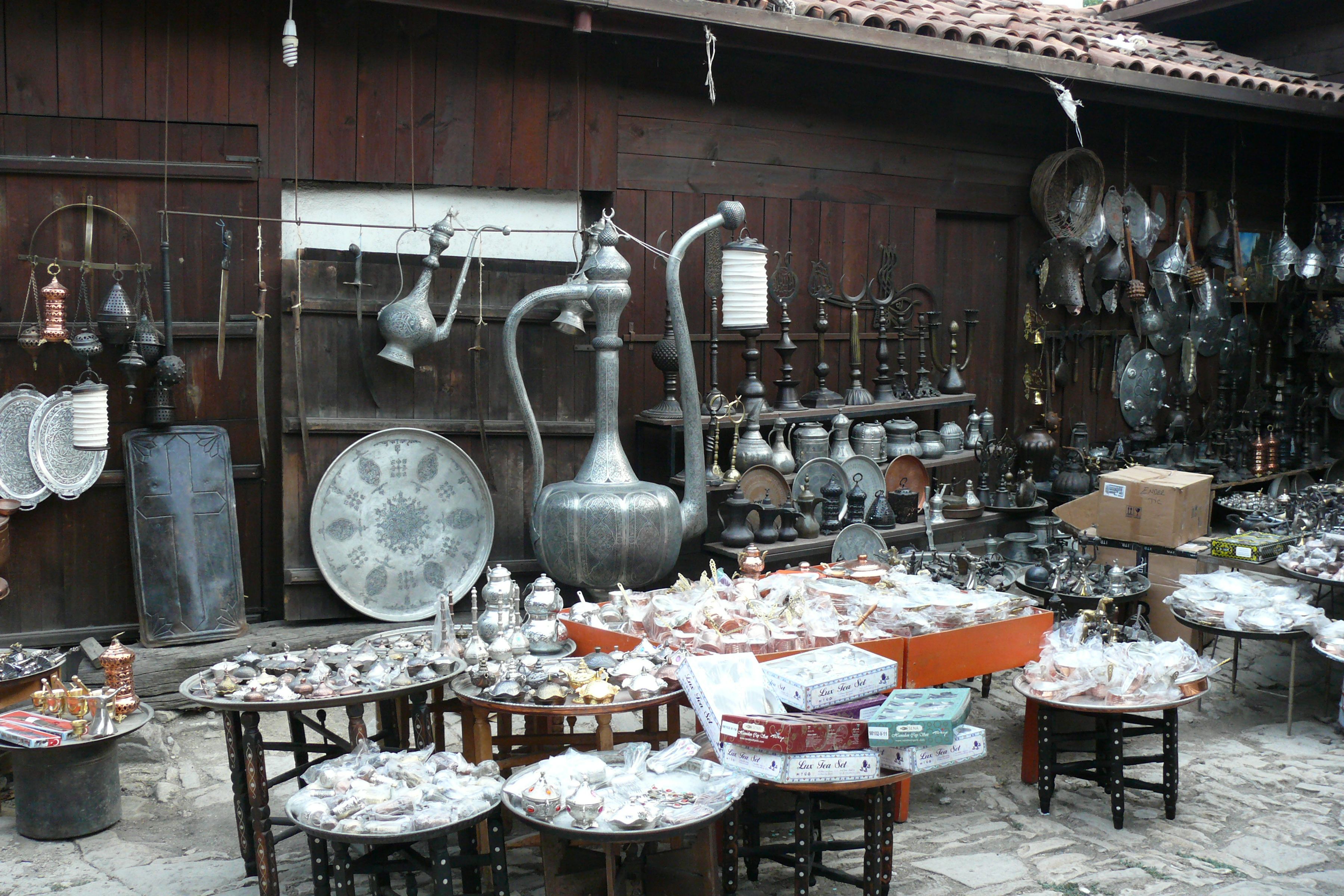
 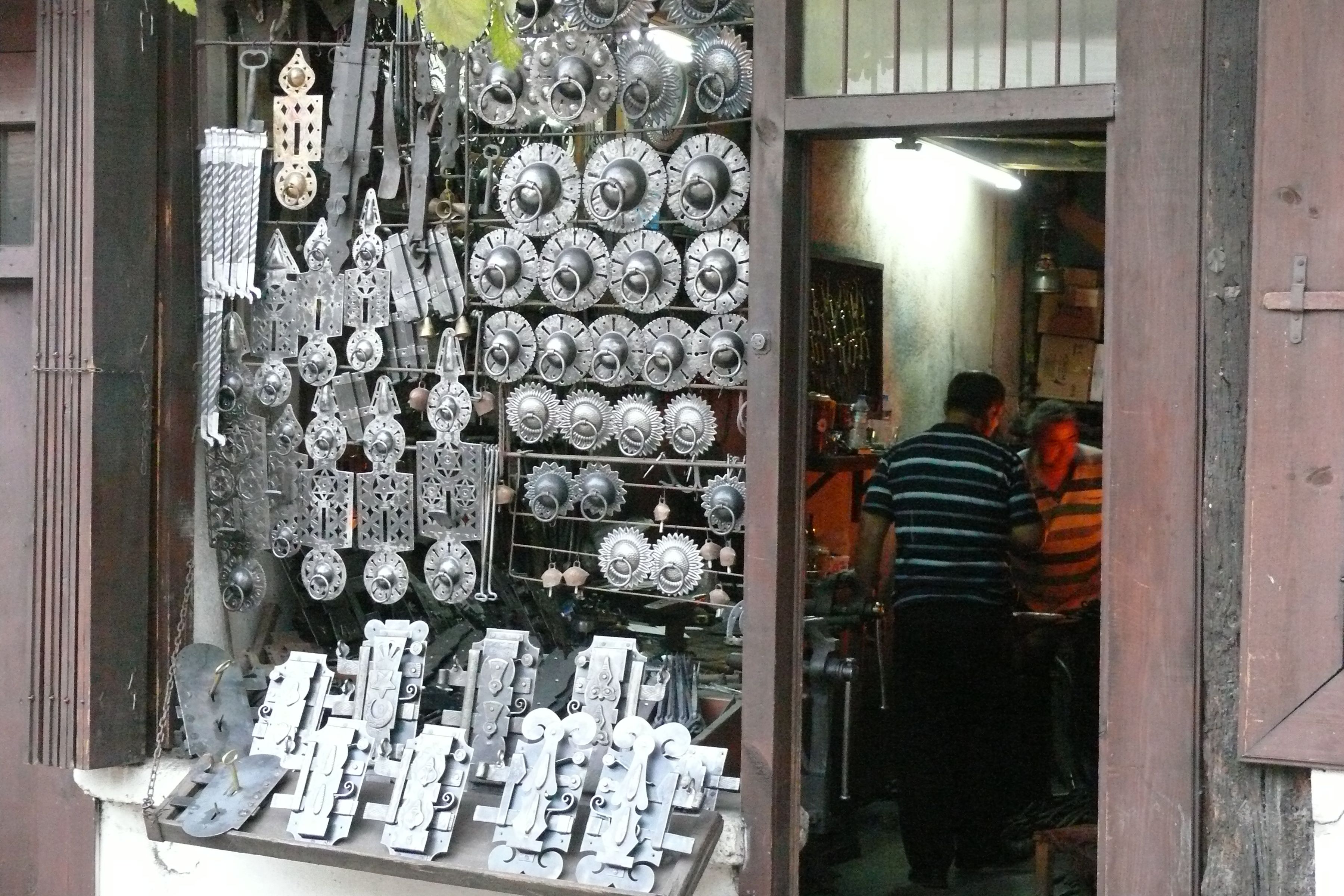 We kept walking these lanes and found the local blacksmiths, all having their shops in the same locale.
 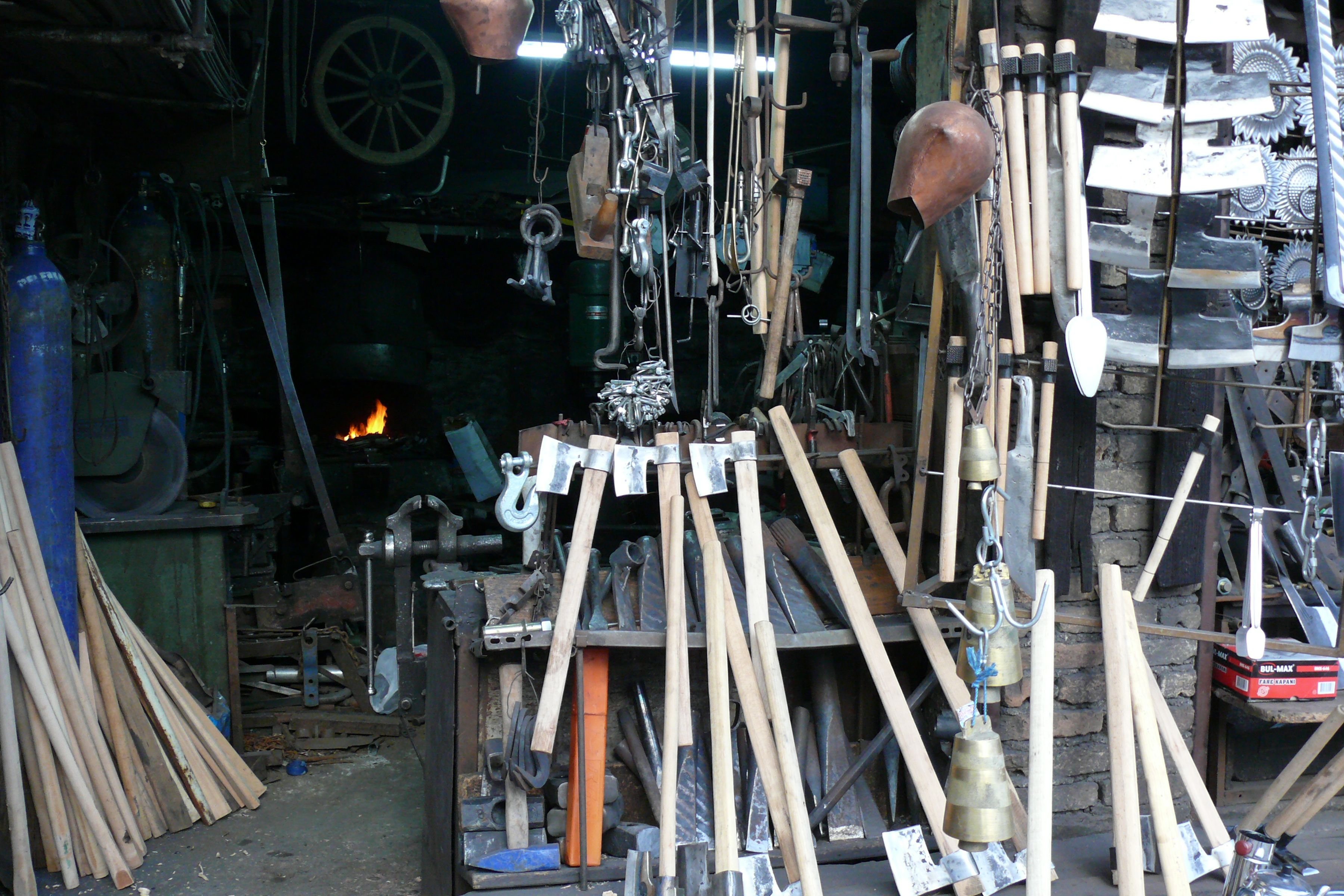 One specialised in axes, another in door & window latches and another in pots. Fascinating to see.
 We had a lovely evening meal in an outdoor garden setting at our hotel, and again, felt thoroughly spoiled.
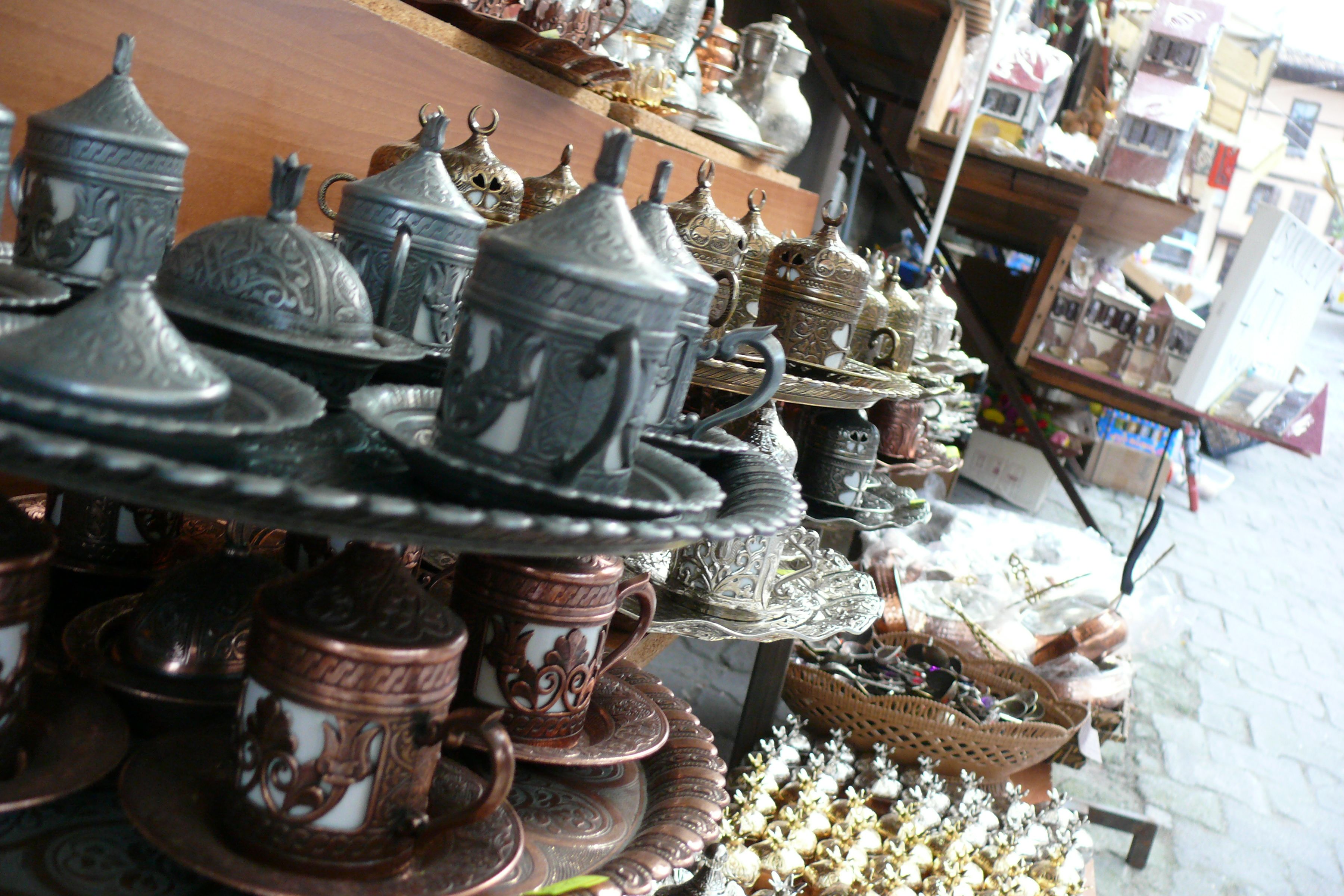 The next morning we journeyed back to Istanbul and had the afternoon at the Grand Bazaar, a huge covered building with about 4,000 shops and many lanes and alleys to explore. We felt underwhelmed by the Grand Bazaar in many ways. We wanted it to be more authentic, but found it to be much more modern in its commercialisation.
  Our general assessment was that we enjoyed the Spice Bazaar much more. Perhaps if we were more inclined to ‘spend’ we may have gotten into the mood, but we chose to leave after about 45 minutes and found a nice cafe for a latte.
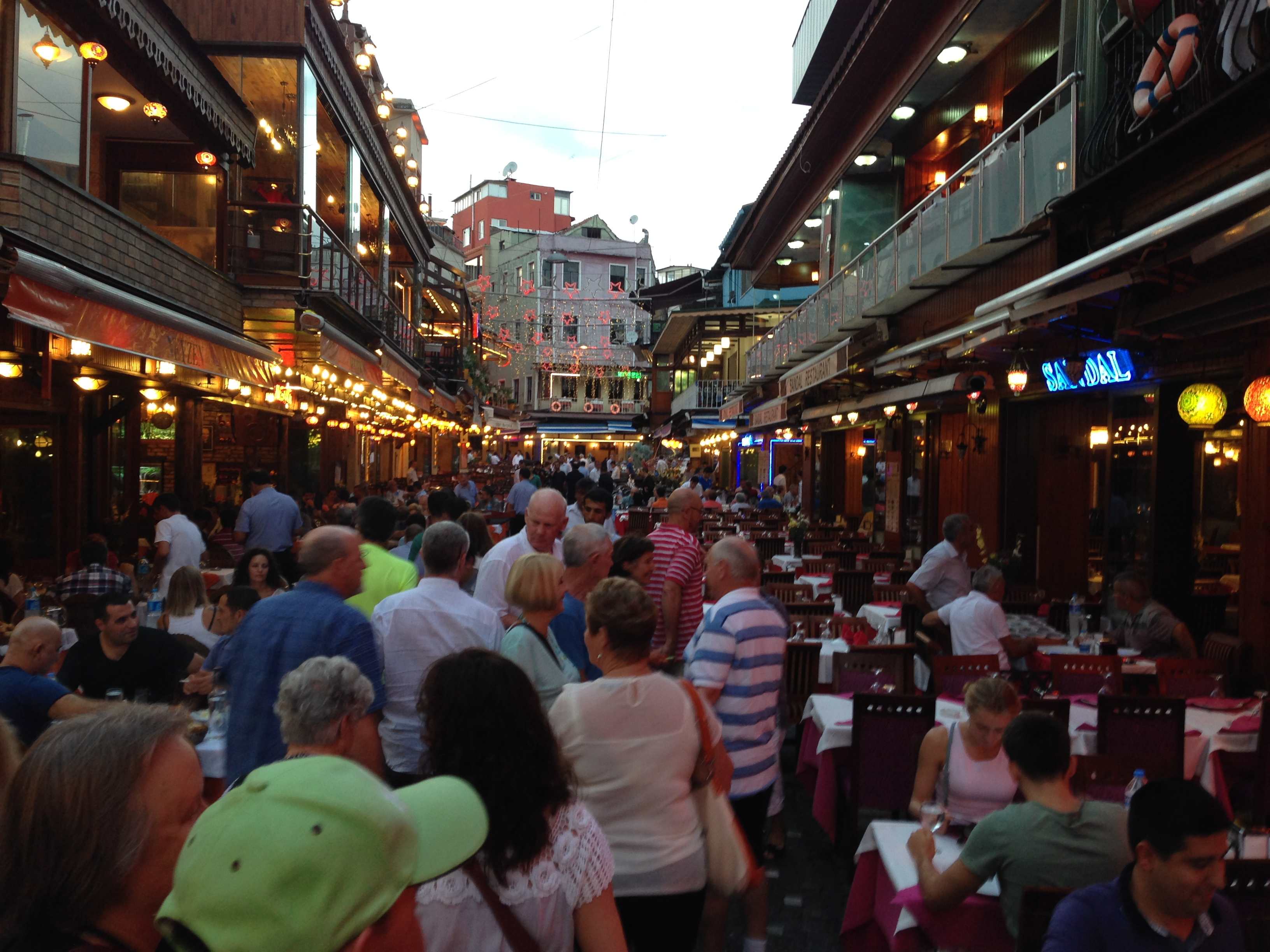 We finished our tour with a beautiful night out at the restaurants at the Istanbul Fish Market.
 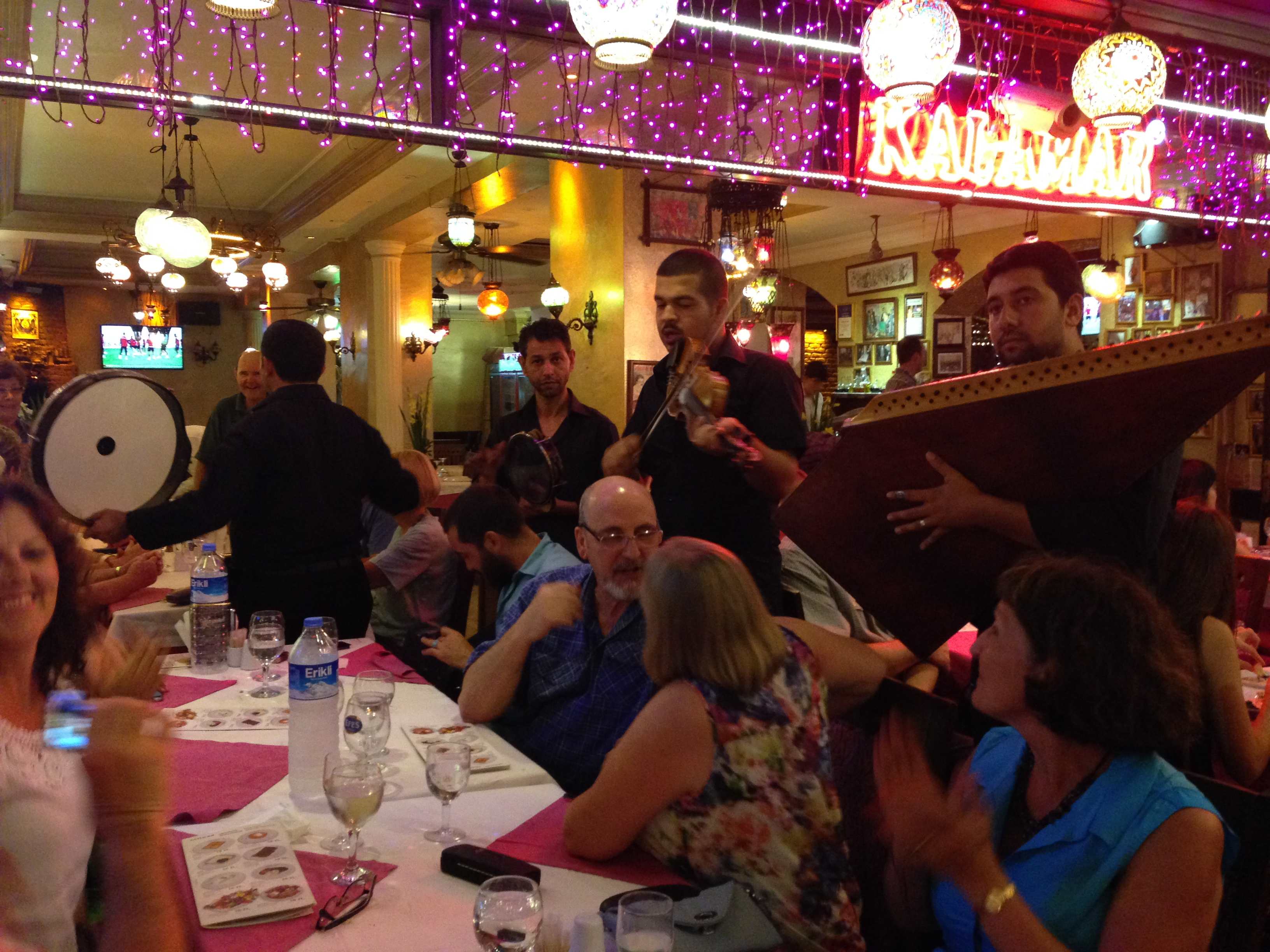 Chris described it as Lygon Street on steroids! It was a terrific night, with singing minstrels serenading,
 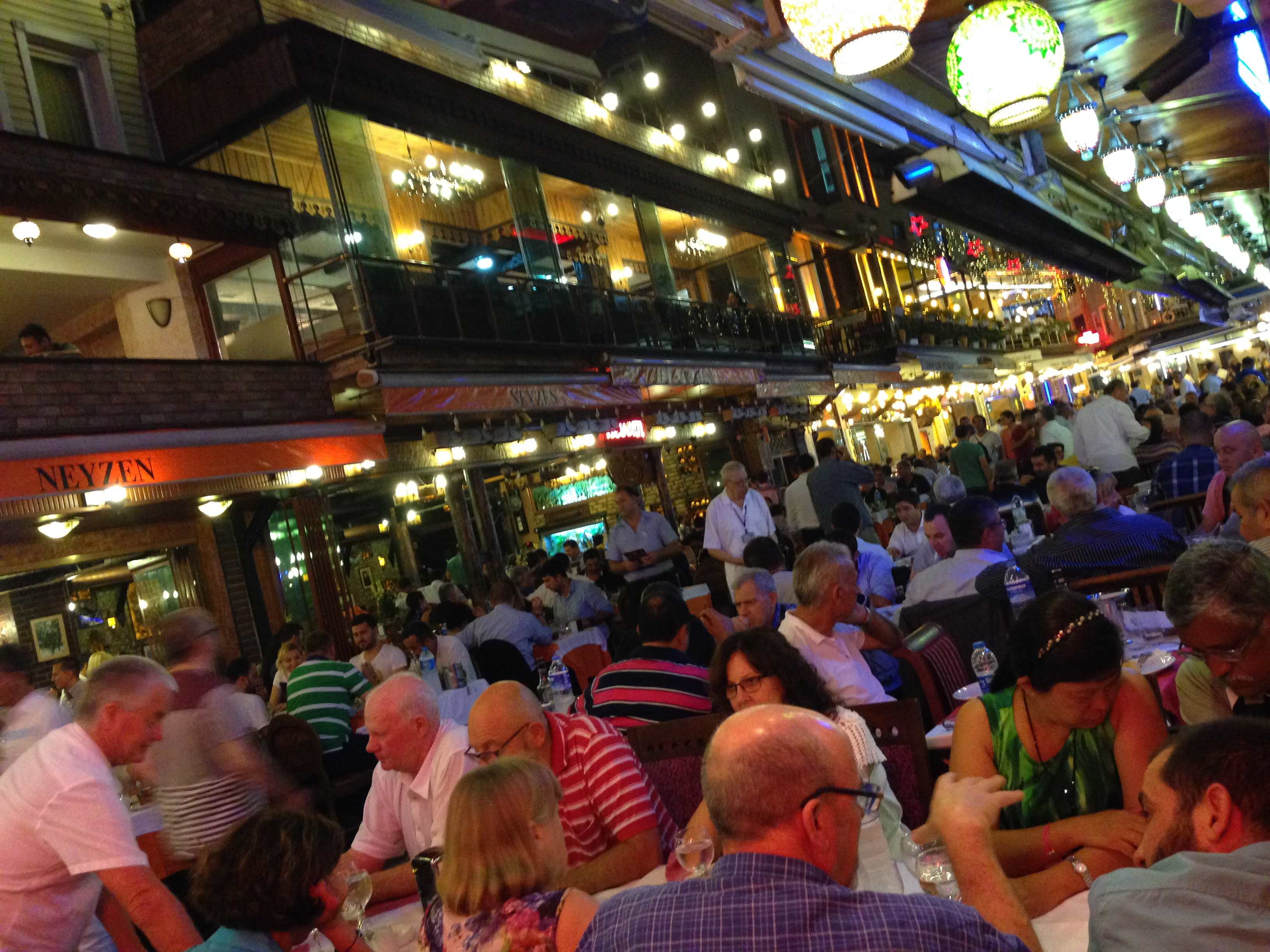 and a perfect way to end our marvellous tour of Turkey.
 Chris and Lynda Johnson