
 Leaving Krakow in the pouring rain we drove through very scenic country as the weather fined up to be a beautiful day. Ascending the Tatra Mountains we encountered magnificent steep hillsides rising from the road with impressive pine trees and fast flowing streams beside the road.
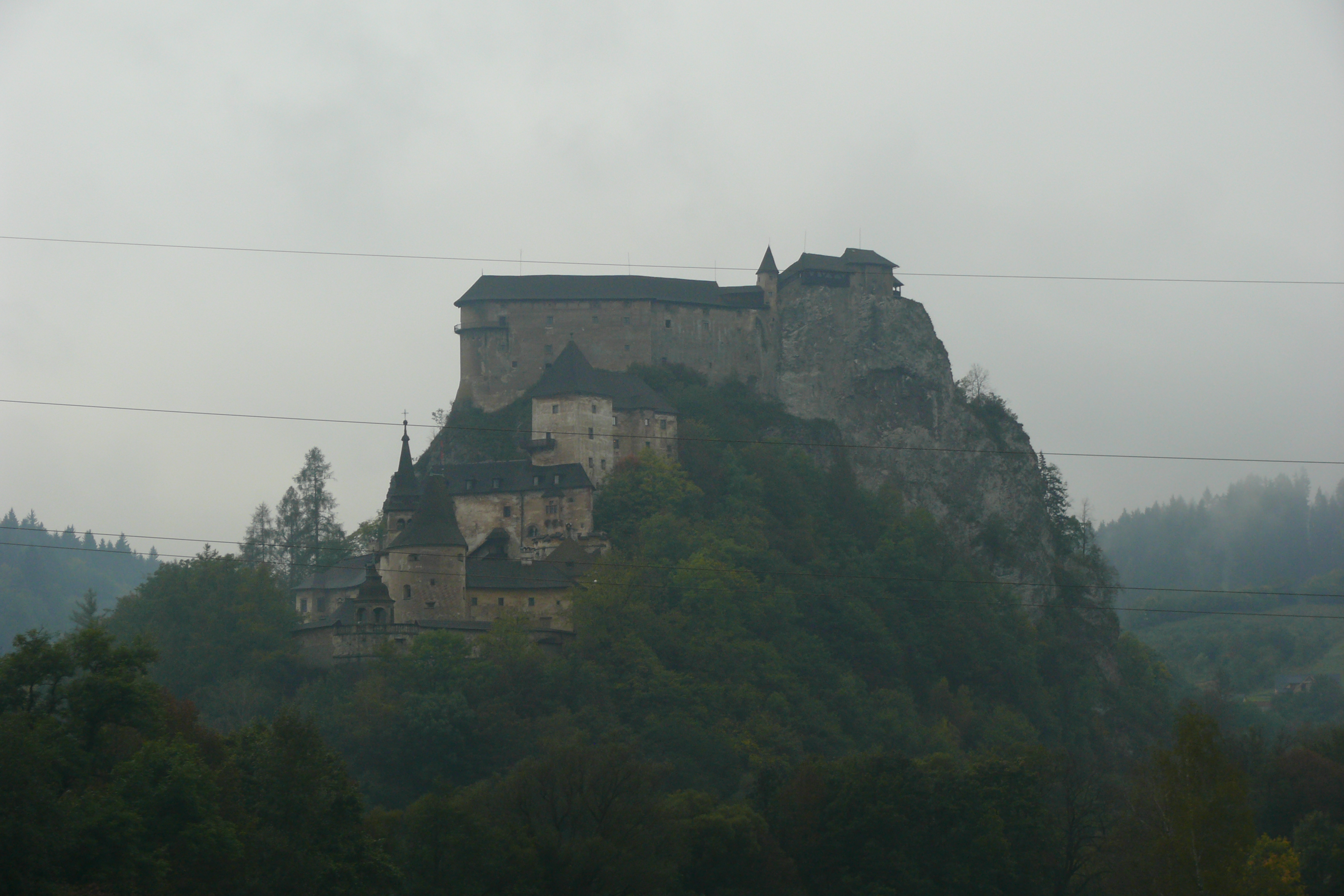
 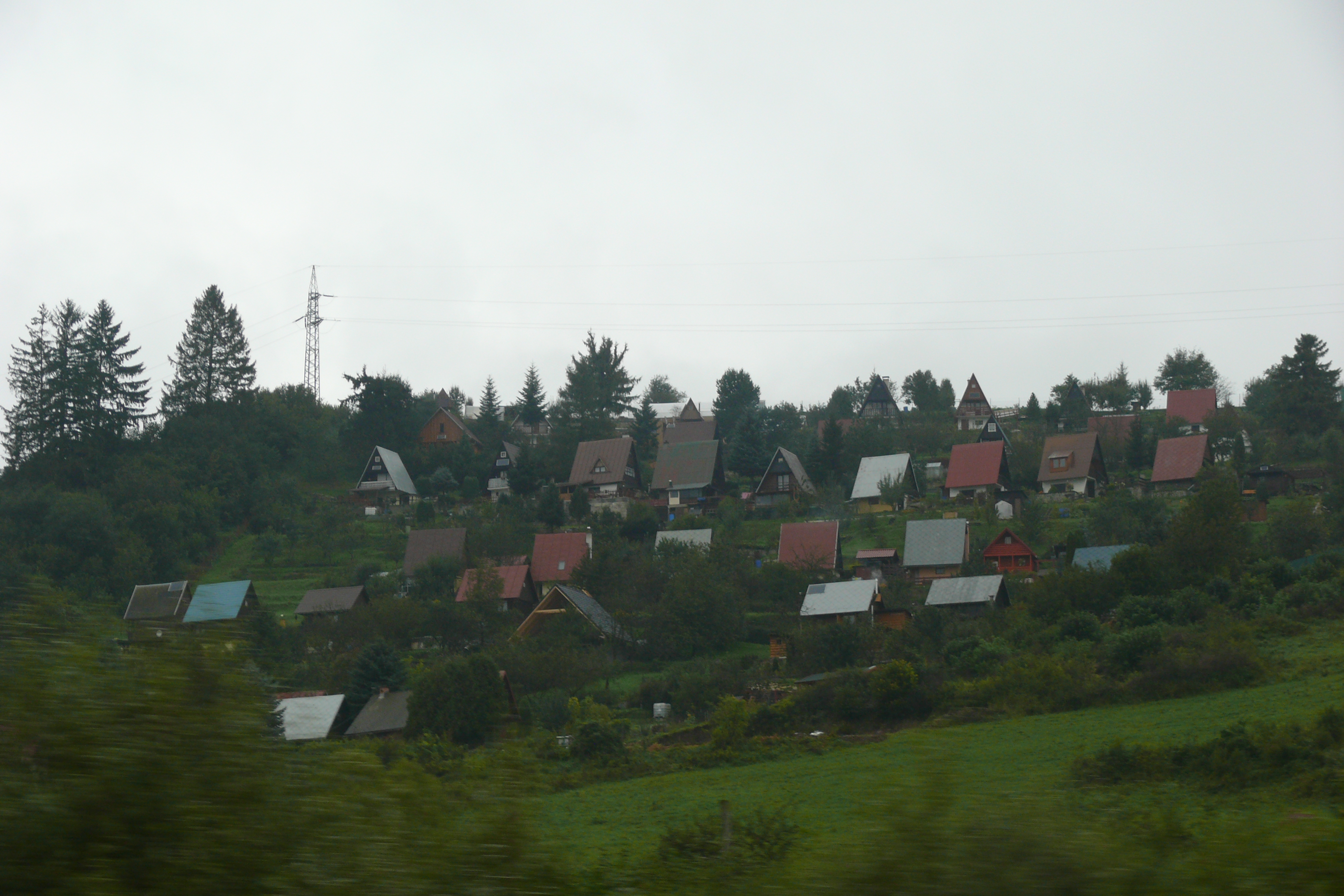 We passed a castle used in the Dracula movie as well as pretty Polish villages.
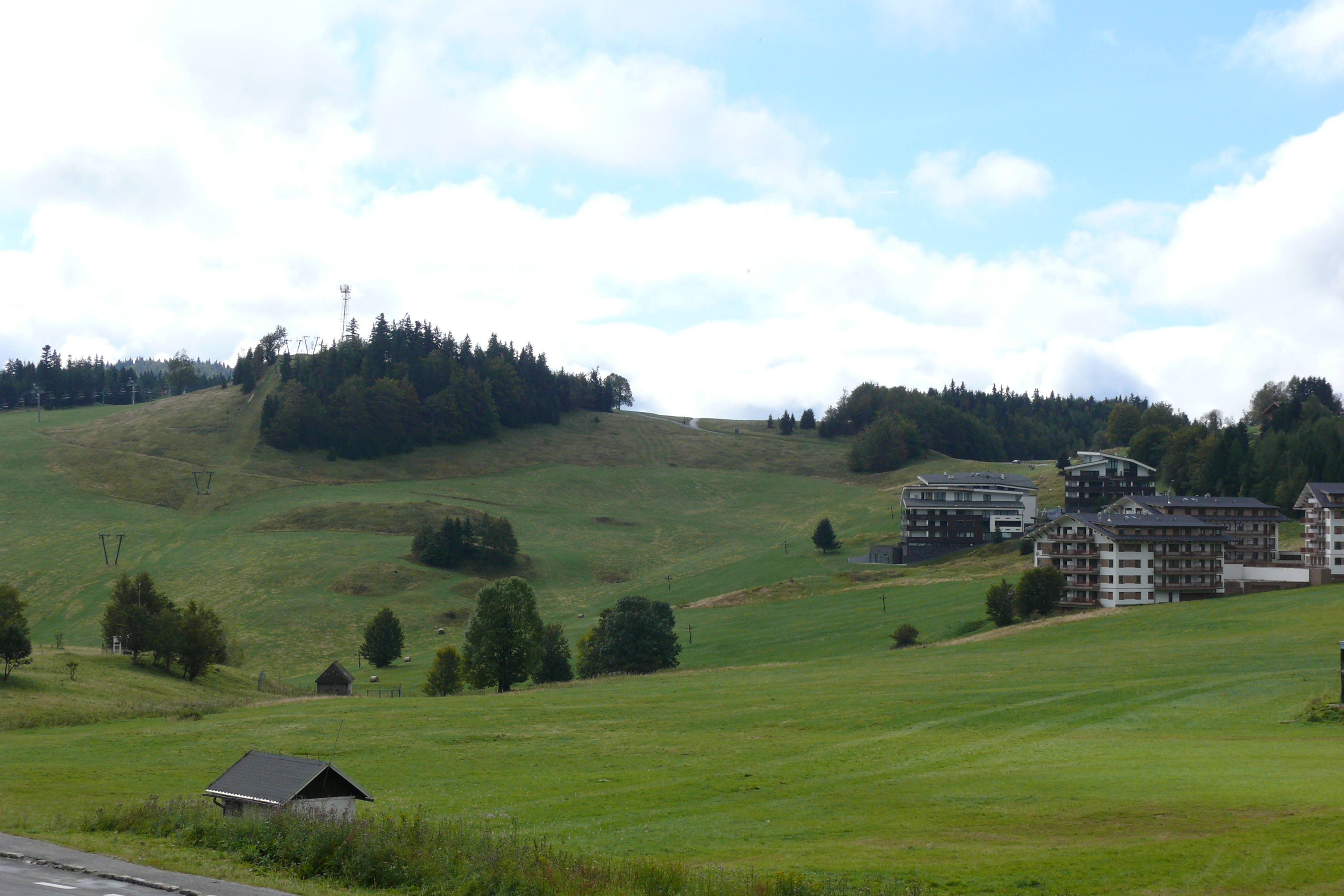
Crossing the border into Slovakia we soon reached our lunch destination, Donovaly, a ski resort which in the coming weeks will look vastly different to what we saw. There was a slight chill in the air as we wandered round, but it was very refreshing. We also managed to find a very reasonably priced latte!
We descended from the hills to approach Hungary, our third country for the day, and its capital Budapest, another city which from all reports has so much to live up to. Well, it certainly didn’t disappoint! What a magnificent city! Originally two cities, Buda and Pest on each side of the Danube River were united in 1863.
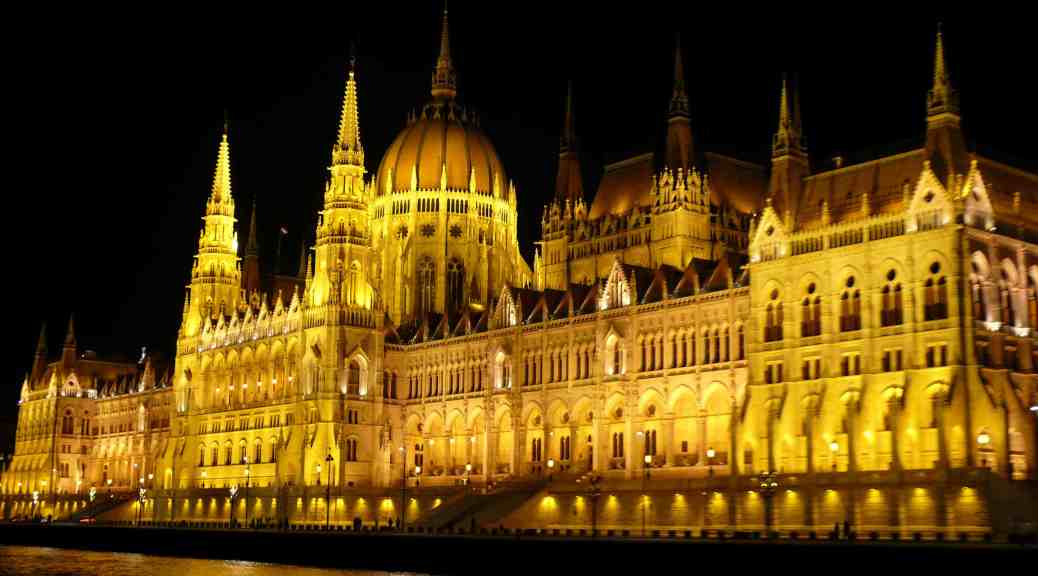
Our first night was superb as we journeyed to the Pest [prounounced pesht] side of the Danube to join a cruise to see the delights of Budapest by night. With all the historical buildings lit up to show their glory we had a wonderful evening, with a glass of champagne. The Buda side is more hilly and the castle precinct is on top of the hill, and the Pest side is certainly dominated by the amazing Parliament building, which to us, stole the limelight. We thoroughly enjoyed it.
The following morning we toured the city and saw Heroes Square, Andrassy Boulevarde, St Stephen’s Cathedral, Mathias Coronation Church in the castle precinct as well an inspiring view over the Danube and the rest of the city. Our afternoon was spent walking and walking, taking in more sights until our legs were aching. We crossed Chain Bridge with its imposing lions at each entry, and walked to Margaret Island, named after one of the princesses of the Hapsburg Empire, now an island with many leisure options for Budapest families. We passed the Parliament building with incredible stone carvings on the facade, and simply admired the architecture for a while.
Budapest is now often the set for many film makers and we witnessed make-up artists putting the final touches on the actors in an orchestra scene on the banks of the Danube. Our peaceful walk was soon interrupted by three cars speeding by, the middle one with huge camera attachments on the front and rear filming the first and third cars in the chase! What film it is, we’ll probably never know!


After leaving Budapest it was a morning’s drive to get to Vienna, Austria, the home of classical music, Sacher Torte, the Hapsburg Empire and all things of culture and beauty! We had a tour of the city covering Beethoven’s statue, the Hofburg Palace, St Stephen’s Cathedral with a magnificently carved pulpit, Mozart’s home, and many other sites. The grandeur of the buildings from Renaissance to classical style was beautiful. The history of the Hapsburg Empire over 600 years, the popularity of certain Hapsburg Royals, and the relatively peaceful growth and expansion of the Empire was very interesting to learn.
The voluntary collapse of the royalty following WWI and the exile of the last King was also illuminating, as it was to find out that there are still about 650 members of the Hapsburg family to this day in various countries around the world.
Our evening was spent visiting the Kursalon Concert venue, a previous spa which is now converted into a variety of small concert areas. We thoroughly enjoyed a small orchestra playing a variety of composers, including Strauss and Mozart, a couple of arias with a soprano and tenor, three items of dance, and a glass of champagne during interval.
The next morning we visited Schönbrunn Palace, the summer residence of the Hapsburgs, one of the largest palaces in Eastern Europe, and saw all the open rooms, now a museum, with original furniture. The interior decoration was stunning, with some rooms from the 17th century and others from the 19th century. The portraits, tapestries, parquet flooring, wall panelling, ceiling frescos, chandeliers, mirrors, wood carved furniture and upholstery were exquisite. The ball room was gorgeous, although upon learning how balls were handled regarding practicalities, certainly made them less attractive occasions.
And here’s why … these balls were certainly elaborate and ostentatious, and the guests were treated to 18 course meals, drinks laid on, beer, wine, coffee etc. This of course means that the guests then need some facilities, and in that era there were no flush toilets. So in the corners of the rooms buckets were provided, which the servants needed to empty regularly. There were no qualms about relieving oneself in the company of others as with huge dresses it could be done ‘discreetly’, and men just went. However, as you can imagine, the smell in the room wasn’t so good, not just due to the buckets, but also the body odour after vigorous dancing. Pictures certainly don’t tell the whole story!
A fascinating piece of information we received was that Thomas Edison himself visited the Palace in 1901 and personally installed the electrical wiring!
The gardens of Schönbrunn Palace were vast and stunning, with various sections of forest, flowers, fountains, a zoo, a maze, statues, as well as a picturesque hill to climb with a magnificent garden wall at the top. Overall, a building with grounds well worth the visit.


 Chris and Lynda Johnson