
History shapes us more than we realise. We are born into a culture at a particular time and place and as a child we imbibe the mores of that culture without much thought or reflection. Only adulthood gives us the ability to reflect on those values and make judgements about whether to hold onto them into the future. Many people choose their values confident in their own insight and with little knowledge of history. How sad! History brings wisdom to the table and helps us to avoid the mistakes of the past as well as pointing out the noble qualities of former great ones which could make for a better future.
Touring through the United Kingdom one is struck again and again by the history. This is the history which has formed me and made me who I am more than I can grasp. I would like to share with you a few stories I have picked up along way which have helped me to better understand life as I experience it and hopefully make me a wiser person to chart a better course for the future.
I want to start with William the Conqueror and the Battle of Hastings in 1066. William lead 20 to 30,000 Normans (French) to invade England and subjugate 2 million Anglo Saxons. He was a cruel leader ruthlessly killing all who stood in his way.
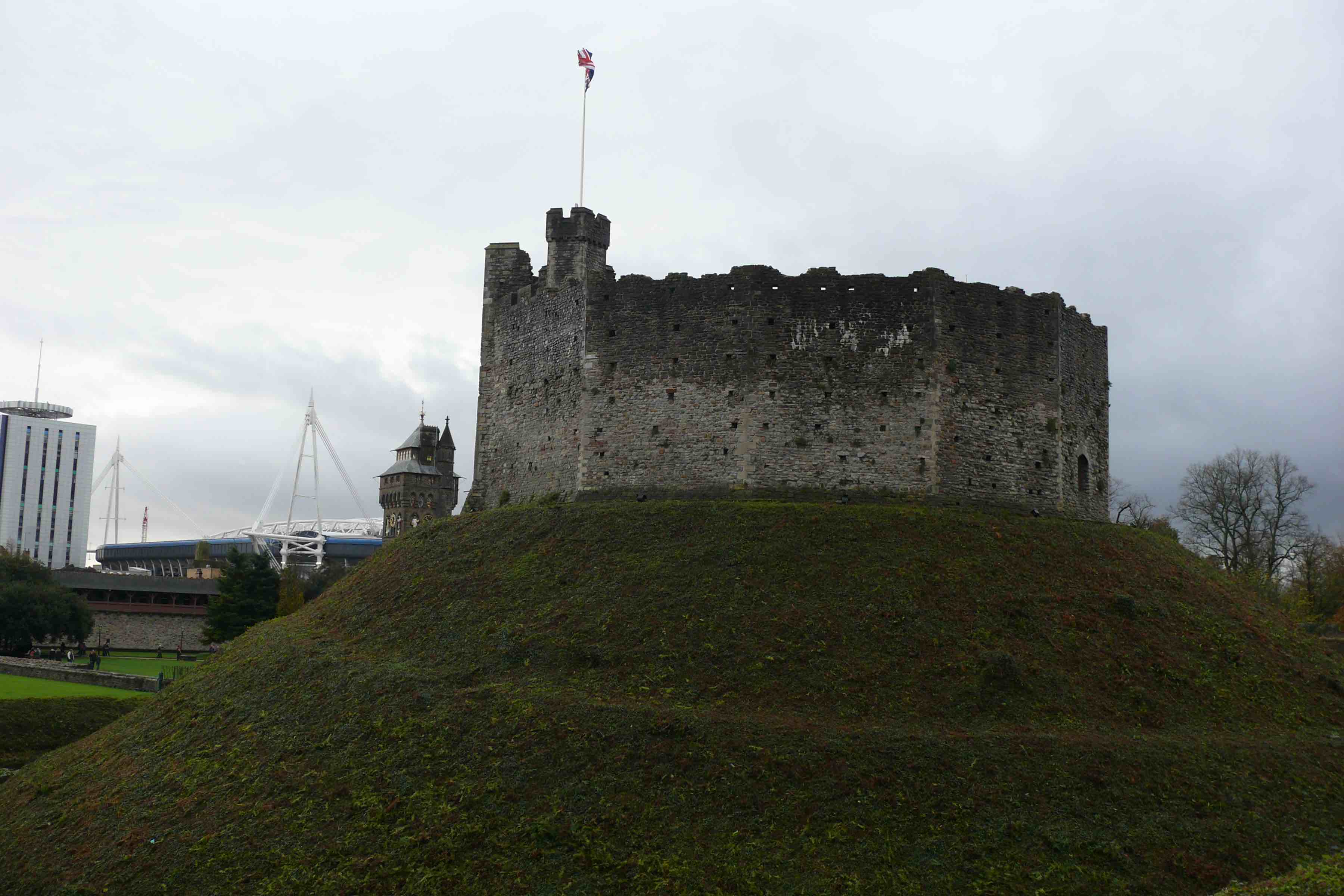
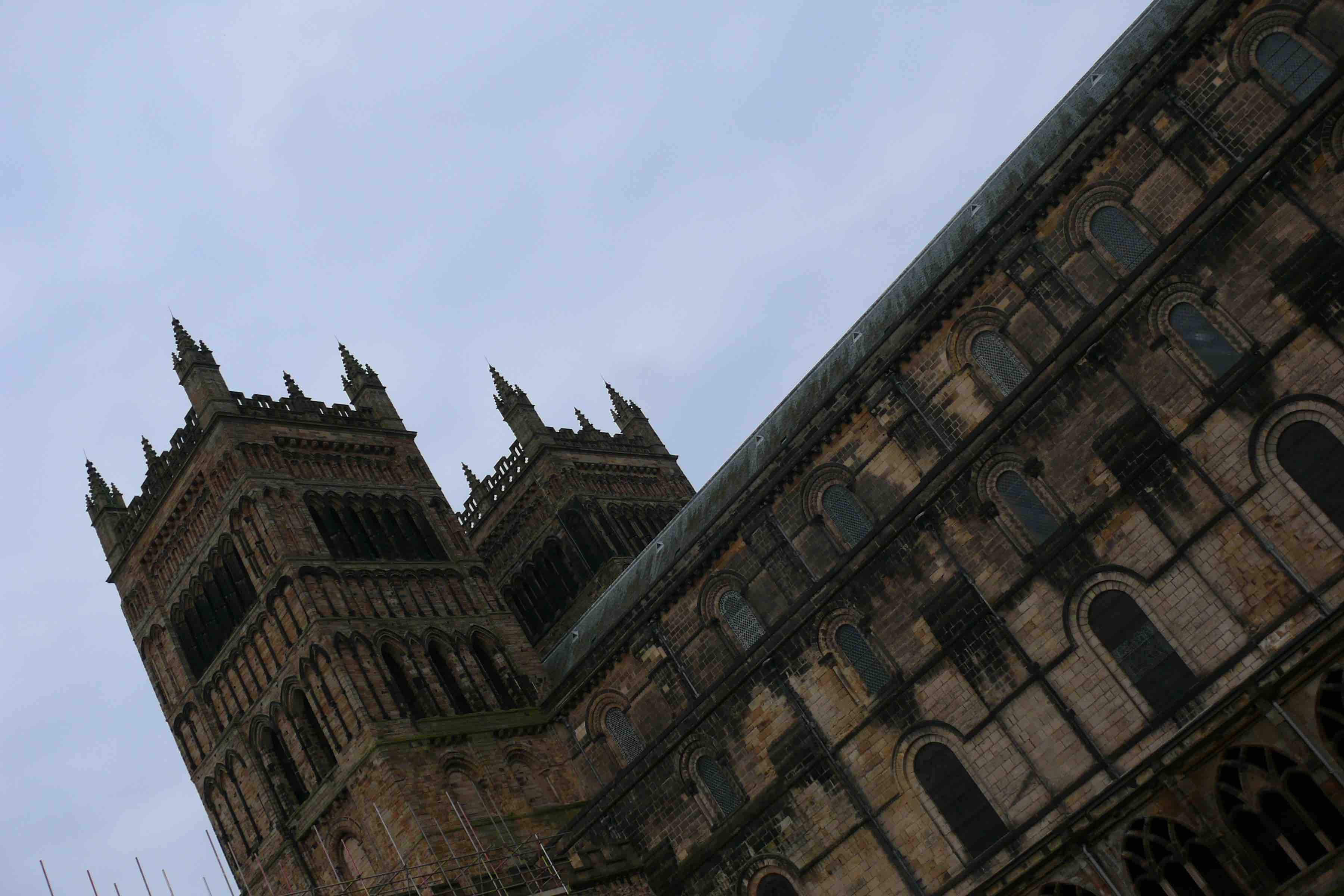
During this time many castles and cathedrals were built in the Norman style to let the local inhabitants know exactly who was boss.
The Norman influence is still around today.
Our English words for control and authority come from Norman French – police, court, prison and punishment. Words for food come into sharper definition at this time. Words for the hard work of rearing and tending animals were English words – cow, pig, sheep. When it came to eating them the words were derived from French – beef, pork, mutton. This is a reflection of the reality that the Anglo-Saxons did the hard work of producing while the Normans enjoyed the fruits of their labours.
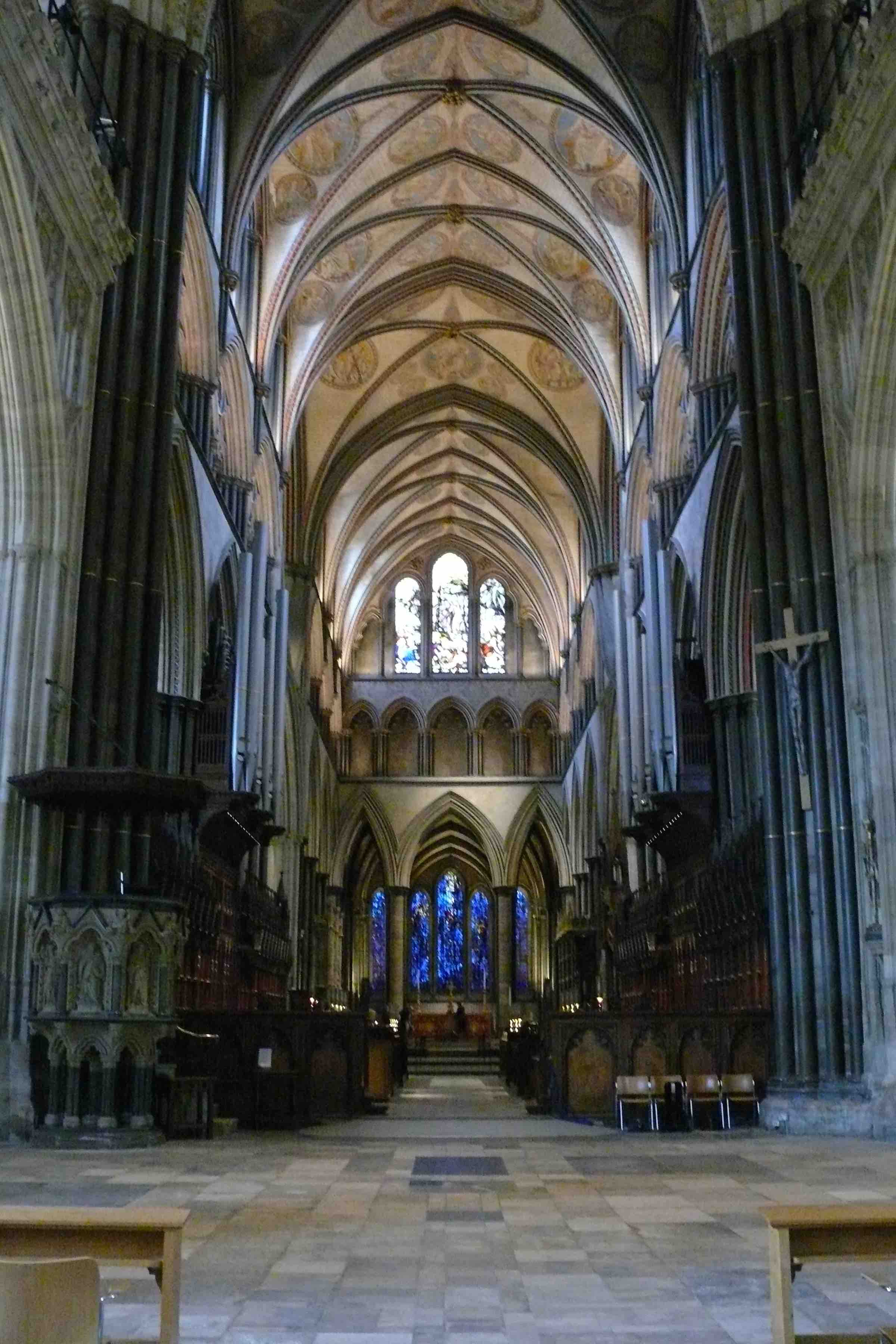
Next is the story of King John and Magna Carta in 1215. John seems to have had a very sorry reign – losing previously conquered territory in France, falling out of favour with the Pope for refusing to accept his nomination for the Archbishop of Canterbury and charging high levels of taxation which upset the local population. All of this meant that the barons were in a very strong bargaining position when they presented King John with the Magna Carta at Runnymede and forced him to sign. Most of the document is about ensuring the rights of the wealthy land holders of the day however there are some clauses in it which still affect British law and provide the foundation for human rights causes all around the world. Clause 39 says “no free man shall be seized, imprisoned, dispossessed… except by the lawful judgement of his peers and the law of the land.” Clause 40 says “To no one will we sell, to no one will we deny or delay right of justice.” A number of copies of the Magna Carta were made and distributed around the country. We were able to see two of these copies in the British Library and Salisbury Cathedral.
I think most people know about Henry VIII. If you were one of his wives, the Pope or a close aide you would be wishing you had never known him. He had six wives – two of whom were beheaded, two of his closest advisers, Cardinal Thomas Wolsey and Sir Thomas More were sent to the Tower – More was beheaded, Wolsey died before the axe could fall.
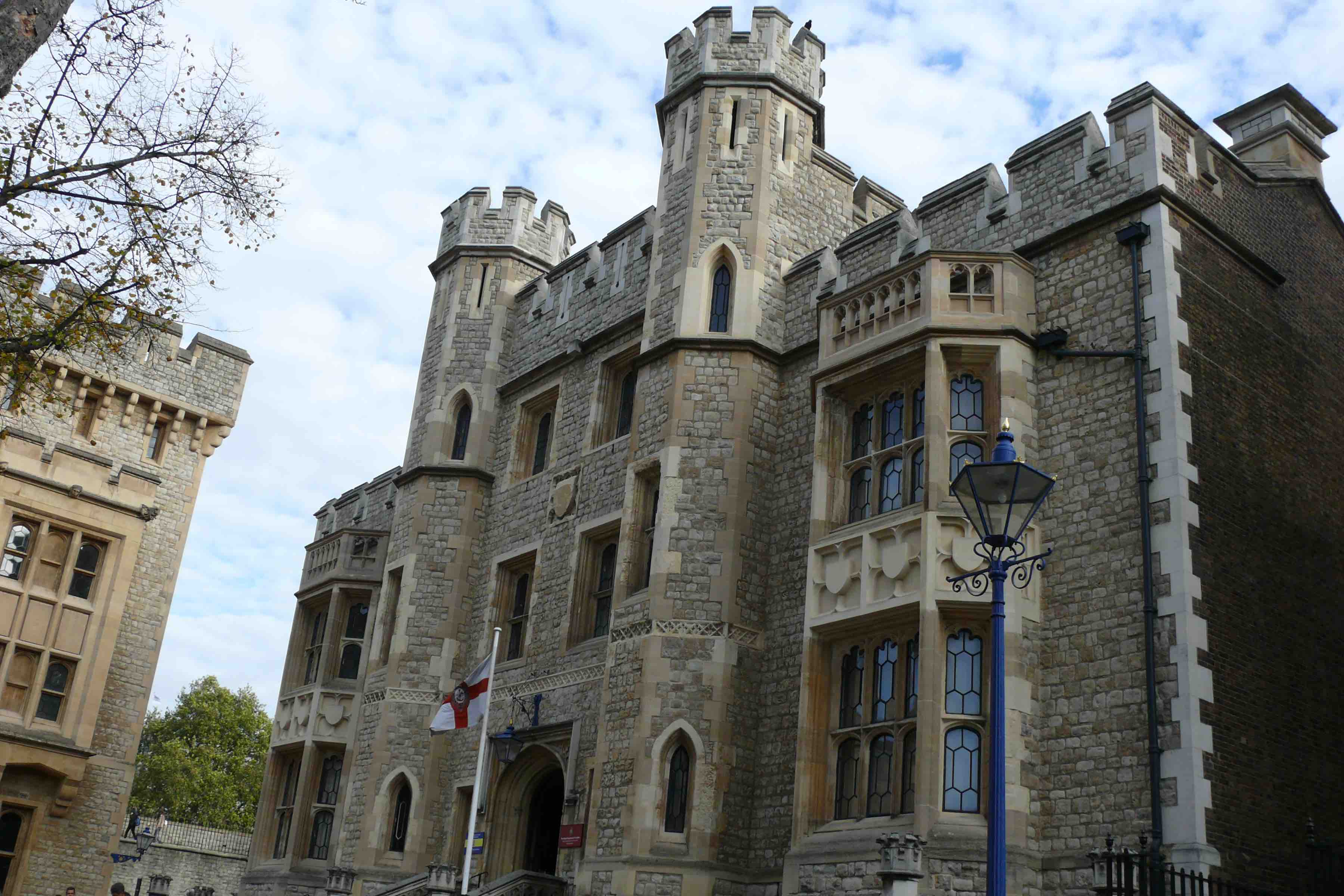
Henry started out as the dashing young prince everyone was happy to crown King. He was intelligent, sporty, a natural leader and good looking to boot. Unfortunately Henry didn’t achieve his promise – he ended up a self-indulgent, obese tyrant who everyone hated. Despite this, no King in England’s history has had as big an influence as Henry. His decisions still affect us today. The chief one of course, was his break with Rome. The Church of England and subsequent worldwide Anglican Communion continues to not recognise the Pope and exists as one of the larger protestant denominations. After Henry’s death there was a great struggle for the future of the Church and nation, through the reigns of his children – Edward VI, Mary I and Elizabeth I. The outcome was a protestant church which is both reformed and catholic – reformed in theology [i.e. back to the Bible] but retaining the catholic order of the Church. It was interesting attending various services in England and seeing this worked out in practice, but it is what we already experience in Australia anyway.
One of Henry VIII’s big decisions was the abolition of the monasteries. The monks were very committed to the Pope, so had to go. The sale of their assets also helped fund Henry’s outlandish lifestyle. Ironically abstinence was redirected into extravagance!
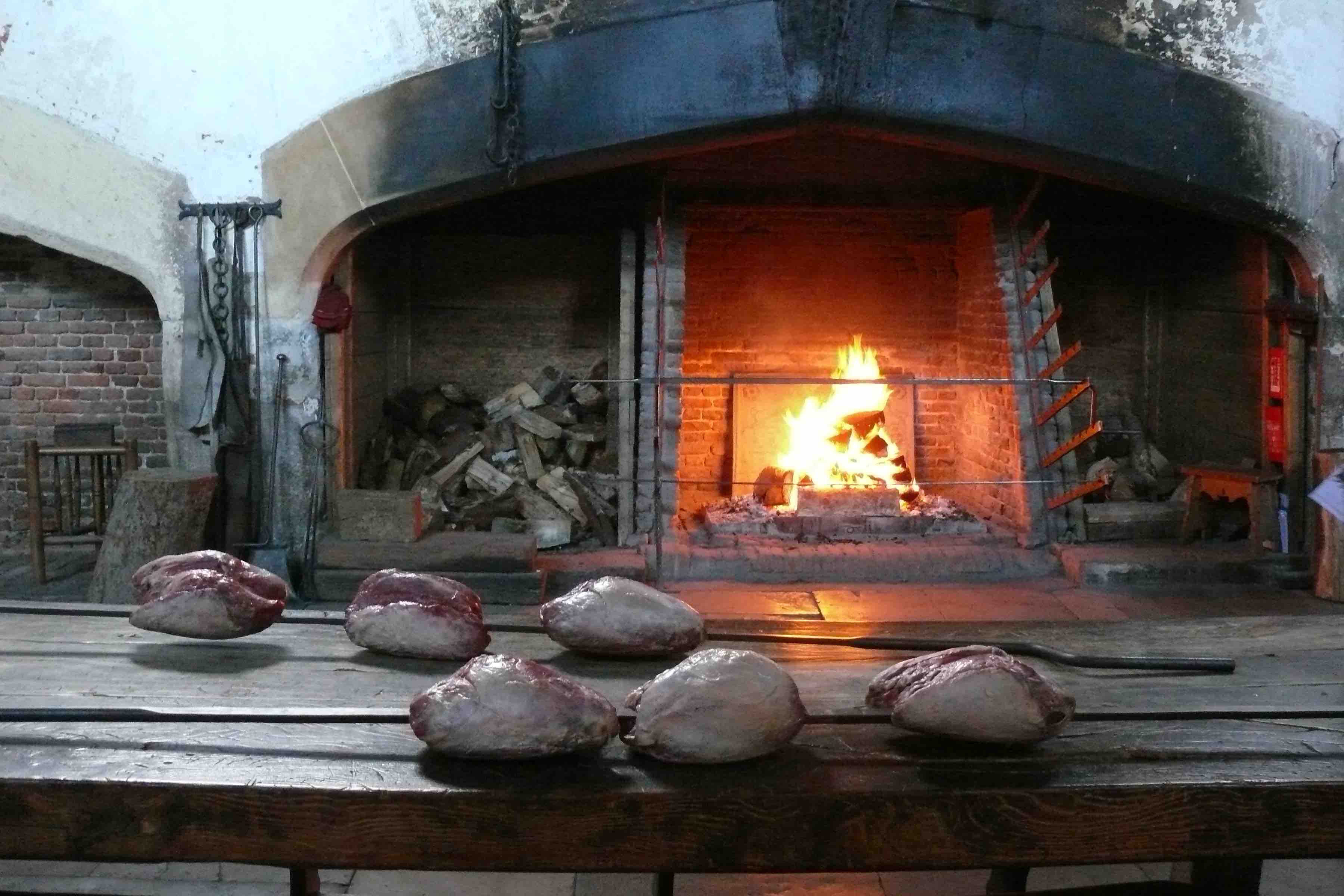
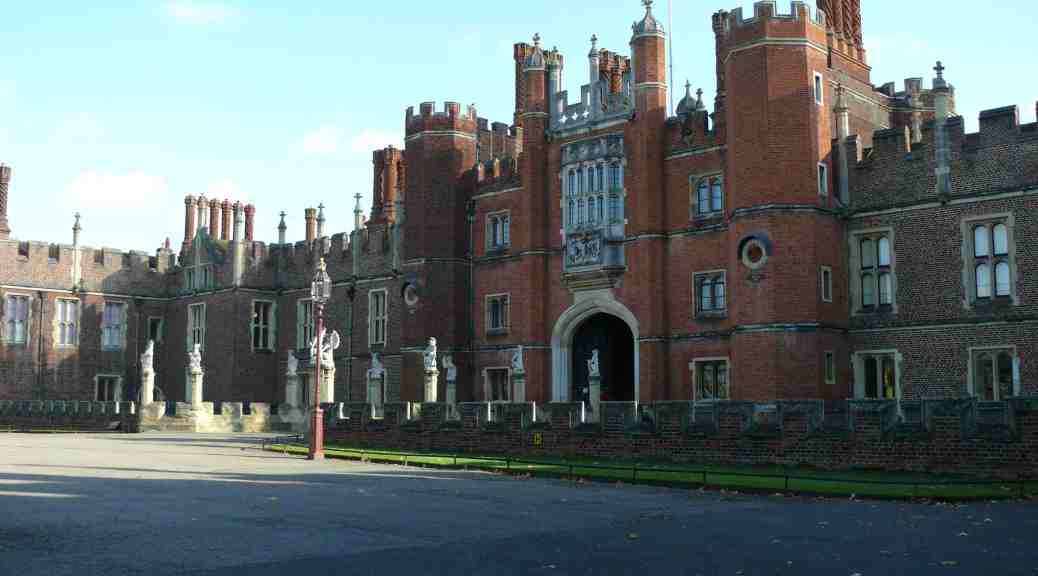
Lynda and I were able to visit Hampton Court, Henry’s Palace and view the huge kitchen which catered for Henry’s indulgent parties.
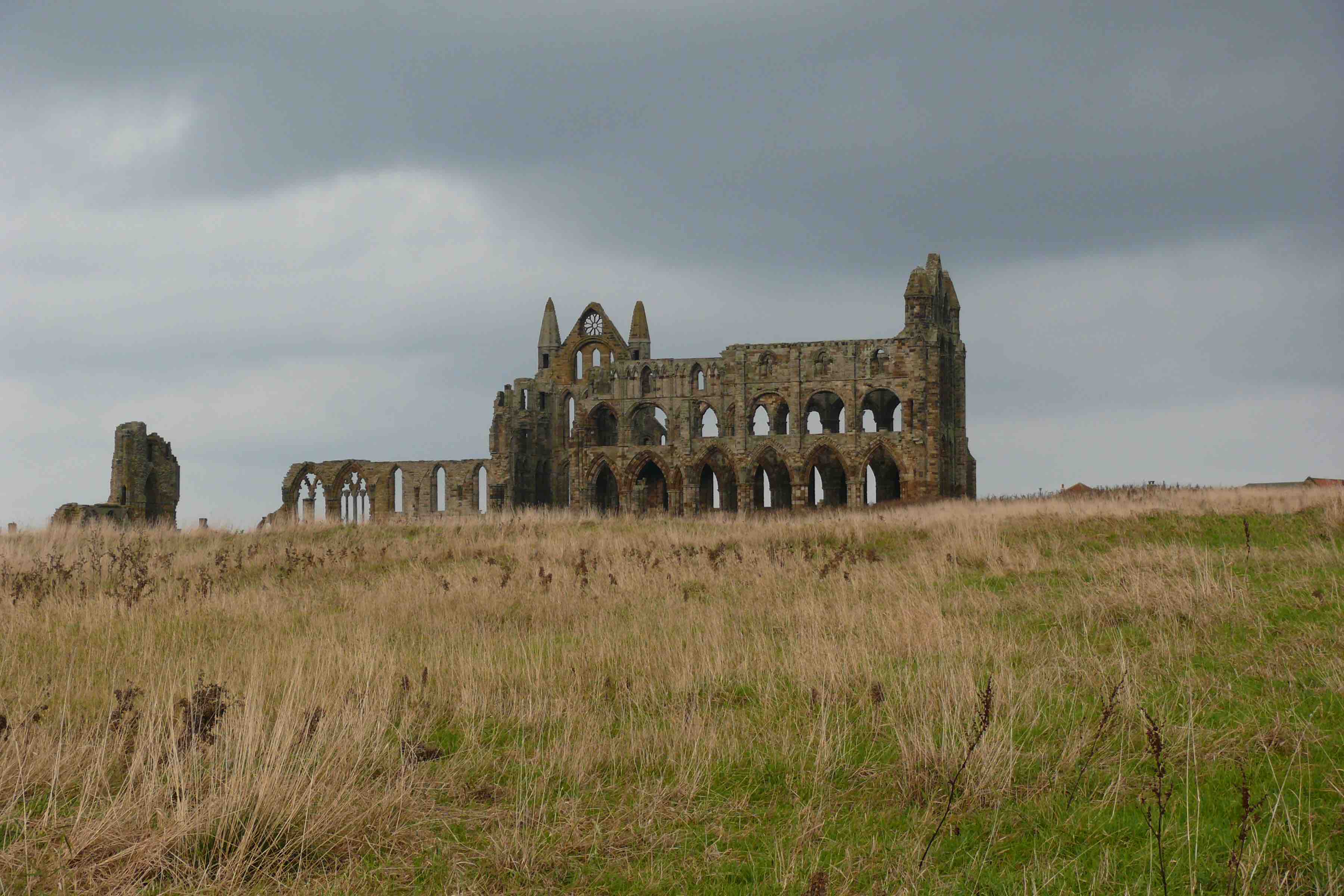
We also visited the ruins of some of the Abbeys which were closed – Whitby, Finchale, Egglestone and Fountains.
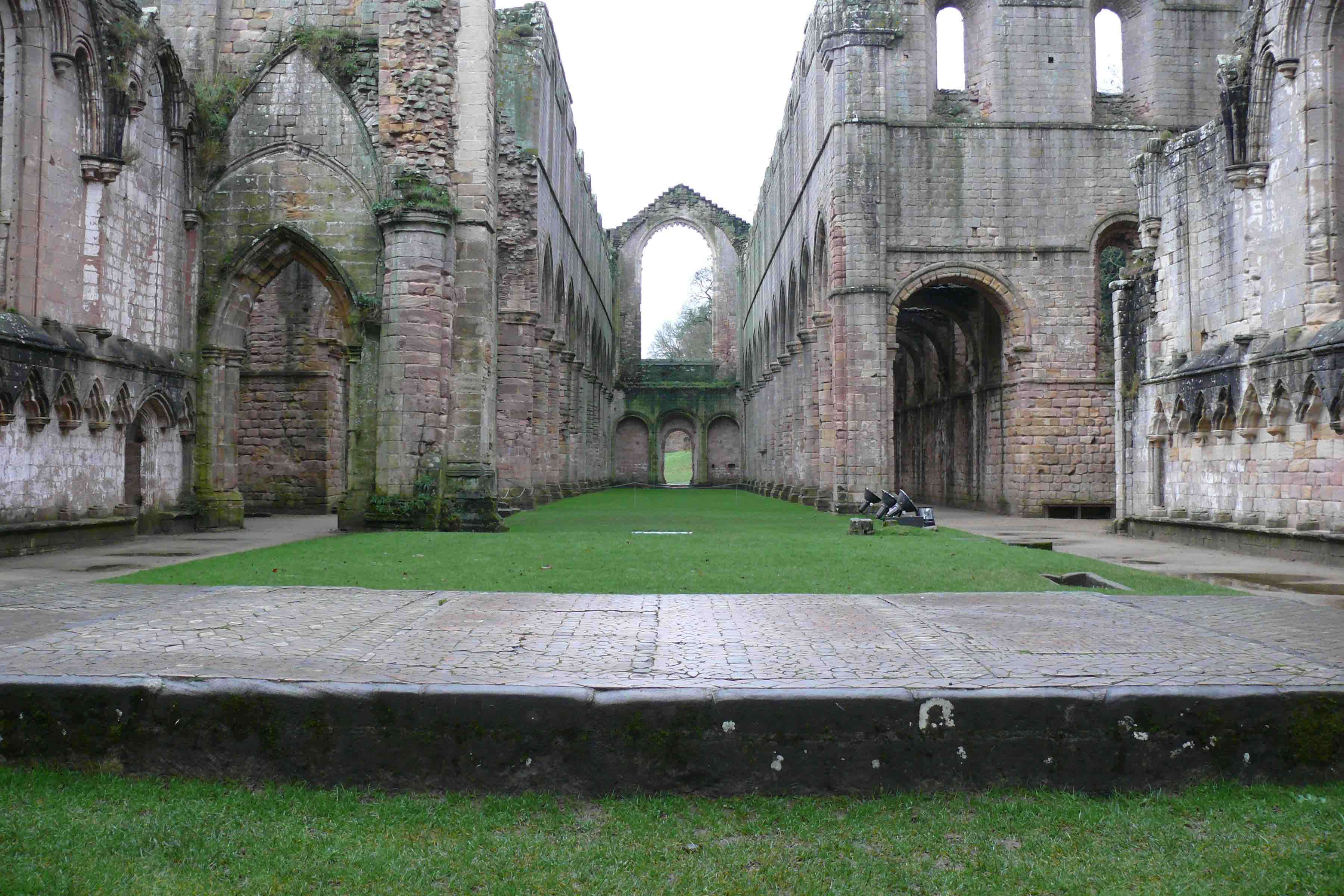
What struck us was how huge some of these institutions were with chapels the size of cathedrals. It seems remarkable that all this could be done away with the signature and seal of one man. Henry wielded great power.
Another interesting King is James I who acceded to the English throne after already having been King of Scotland for 36 years. This was because Elizabeth I never married and there was no direct heir. Believing in the Divine Right of Kings he ruled for long periods without Parliament. One of the few times he did call Parliament together there was a plot to blow up both King and Parliament by placing barrels of gunpowder under the House of Lords. The conspirators were disgruntled about the King’s harsh application of anti-Catholic laws. The chief conspirator was a man by the name of Guy Fawkes. England still celebrates Guy Fawkes with a week of fireworks going off in parks [there aren’t many back yards] all over London and we were there to experience it. I still have fond memories of Guy Fawkes night from my childhood but of course it was banned due to the high accident rate.
One of the good things James I did do was initiate the writing of an English Bible that would unite the nation. Seven years, 54 translators and six committees later the result was – you guessed it – the King James Bible. The dream of William Tyndale of the Bible being read by the man in the street was coming true. In fact, the translators opted for about 80% of Tyndall’s translation in this ‘Authorised Version’. Henry VIII had Tyndale burnt at the stake for his subversive work but now Tyndale’s work was being given royal assent. [Further evidence that Henry VIII was mad, is that he used Tyndale’s writing against the Pope to justify his own position.] James I lives on in history with the much more noble legacy of his name on the Bible which many people still use today.
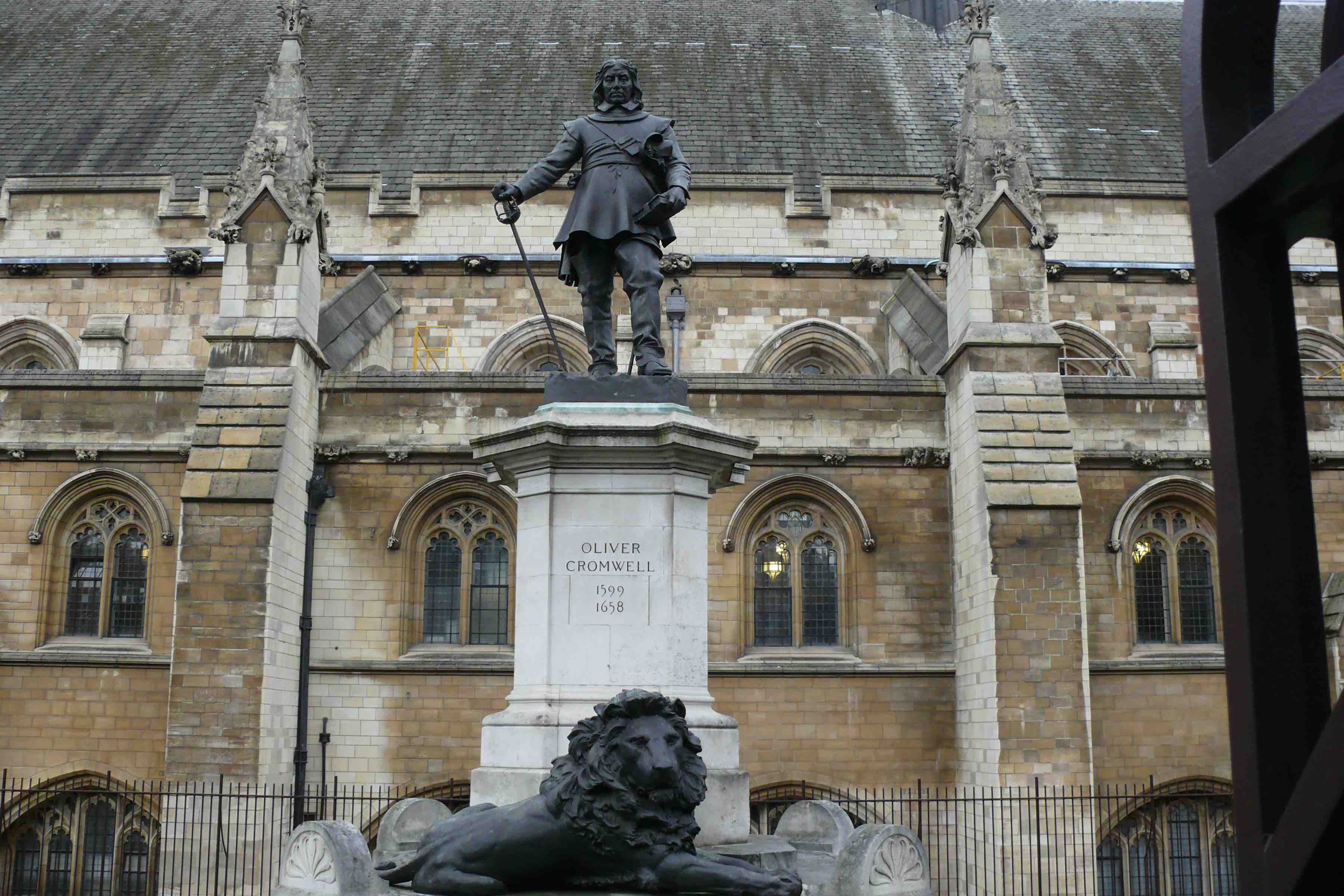
One King who lost power in a most inglorious manner was Charles I. He was defeated in the Civil War of 1642-45, and executed by Oliver Cromwell and his Parliamentary Forces. Unlike Gough Whitlam, who was dismissed by the Monarch’s representative, Oliver Cromwell brought about the downfall of the Monarch. He must have been a very powerful charismatic personality to sweep all before him in Parliament and on the battlefield. The Civil War was one of the most horrible times in English history where former friends found themselves pitted against one another in battle. Nearly 4% of England’s population perished in the fighting – a higher proportion even than died in WWI. After capturing the King, Cromwell rigged the Parliament and bullied the judges to find Charles guilty as a ‘tyrant, traitor, murderer and public enemy to the good people of this nation’. On 30 January 1649, Charles walked out on to a raised scaffold from his splendid Banqueting House and was executed. We visited this magnificent palace in London just across from 10 Downing Street, and saw the spot where it took place.
What followed was a series of votes in Parliament which abolished the House of Lords and the monarchy and established Cromwell as the Lord Protector of England. With a stacked Parliament full of his Puritan friends, Cromwell legislated for virtue. There was to be strict Sabbath observance, fornicators were sent to prison and adultery was punishable by death. He never was crowned King Oliver but the local population called him “King Killjoy”. There was dancing in the streets when he died in September 1658.
England has never been comfortable with extremes. Cromwell’s strict puritan republic pushed England back towards the monarchy. The people were not happy with the power exercised by the armed forces or legislated morality. In a similar way, but at the other end of the spectrum, the reign of bloody Mary a century earlier had inoculated England against Catholicism. Mary went after protestants with a vengeance – high profile Bishops Ridley and Latimer and the Archbishop Thomas Cranmer, but much lesser lights as well with 283 martyrs being burned alive for their faith. Mary’s fanaticism ensured England would be a protestant nation with laws eventually passed to ensure the Monarch cannot be Roman Catholic. Rather than go down either extreme the people opted for the good old Church of England. At her worst she is a Church committed to the Pelagian heresy of salvation by niceness; at her best she is a Protestant Church who owns the history of the Church from the 2nd to the 15th centuries, but believes in the 16th century principle that the Bible must have supreme authority. In very general terms where this principle has been followed in the succeeding centuries the Church has flourished.
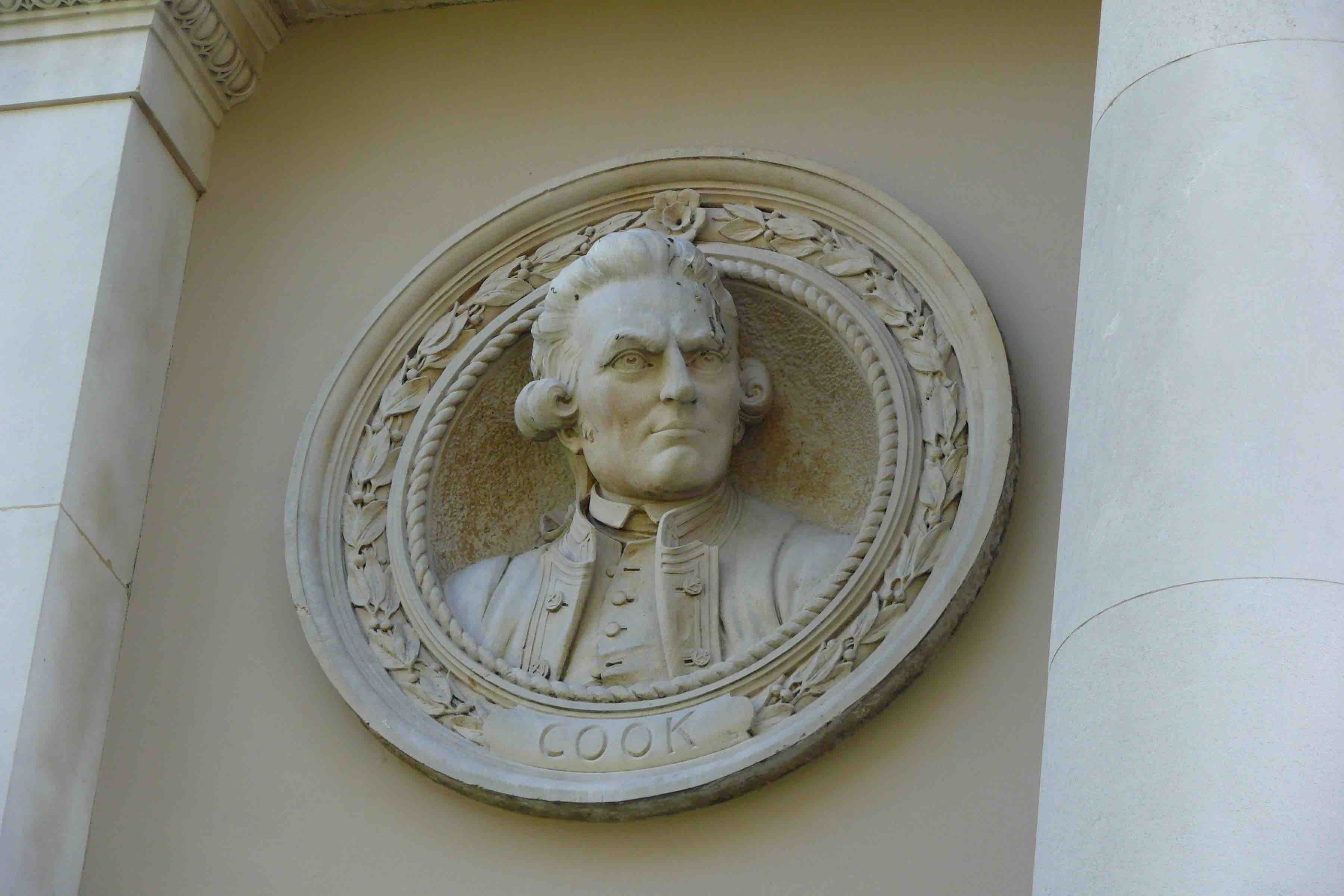
Perhaps one event in English history has had more influence on Australian history than any other and that is the travels of Captain James Cook along the east coast of the continent in 1770.

Lynda and I were able to visit the school in Yorkshire Cook attended and a museum and park dedicated to him nearby. Of course, the house he grew up in was transported to the Fitzroy Gardens in Melbourne many years ago but it is good to see the English have kept a good memory of him in his place of origin. He was the son of a Yorkshire farm labourer and only had a few years of basic schooling before joining a dirty colliery ship transporting coal from Tyneside to London. At 26 he joined the Royal Navy and spent his spare time at sea educating himself in Greek, mathematics and astronomy. After only two years he passed his Master’s exams and began establishing himself as a skilled seaman especially in the field of navigation and mapping. He successfully navigated 60 war ships up the treacherous St Lawrence river to enable General Wolfe to capture Quebec in 1759. We spent a week in Canada but as far as I am aware there are no memorials to him in that country. His main claim to fame of course is that he charted some 4,400 miles of Australian and New Zealand coastline and claimed Terra Australis for King George III and the United Kingdom. And as they say, the rest is history.
Unfortunately, it has mostly been a sorry history for the Aboriginal people. There have been examples of working alongside and seeking justice for the aboriginal people but also horrible massacres and ill treatment. Whether the Aboriginal people would have done any better under a different colonising power is a matter of historical conjecture. While indigenous people continue to suffer disadvantage as a result of the sins of the past, a just and generous response is beholden on all Australians.
I have always enjoyed history What a privilege to travel through the United Kingdom to discover so much of it first hand. It is quite mind blowing to walk through the same buildings and traverse the same country where these great ones of old made their mark. Apart from that many of the buildings which have survived are just magnificent especially when compared with much modern architecture. History does matter and I thank God for the opportunity to explore my cultural heritage.
 Chris and Lynda Johnson