
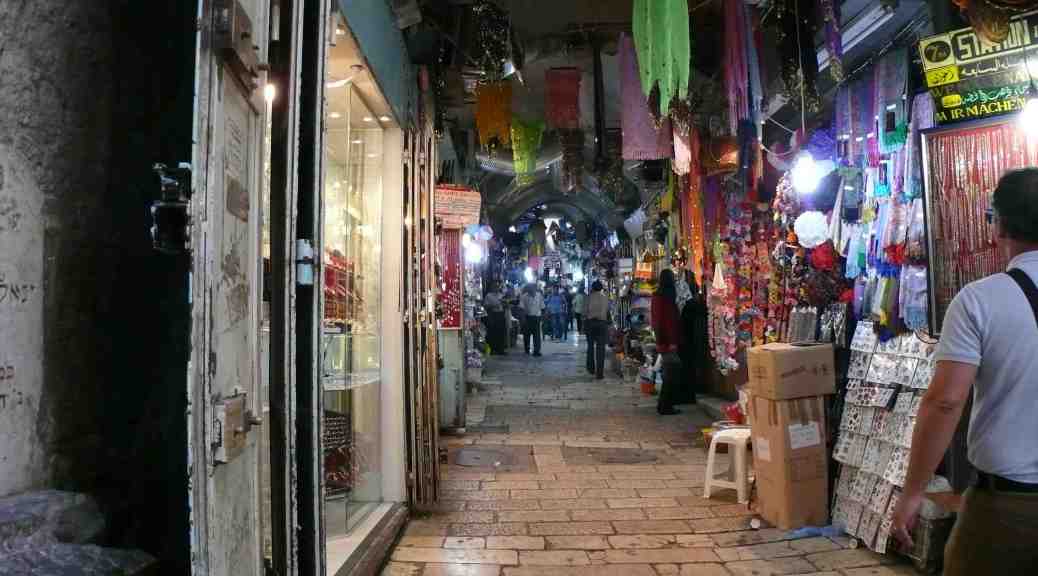
 Another early start and we were off to the Old City to see the Western [Wailing] Wall. We entered via the Dung Gate, which was the lowest part of the city, where all the rubbish would congregate as it washed off the streets and would eventually make its way out of the city.

The actual wall from the time of Herod is mostly underground but the small part that is at ground level is used by the Jews as a place of great devotion and prayer.
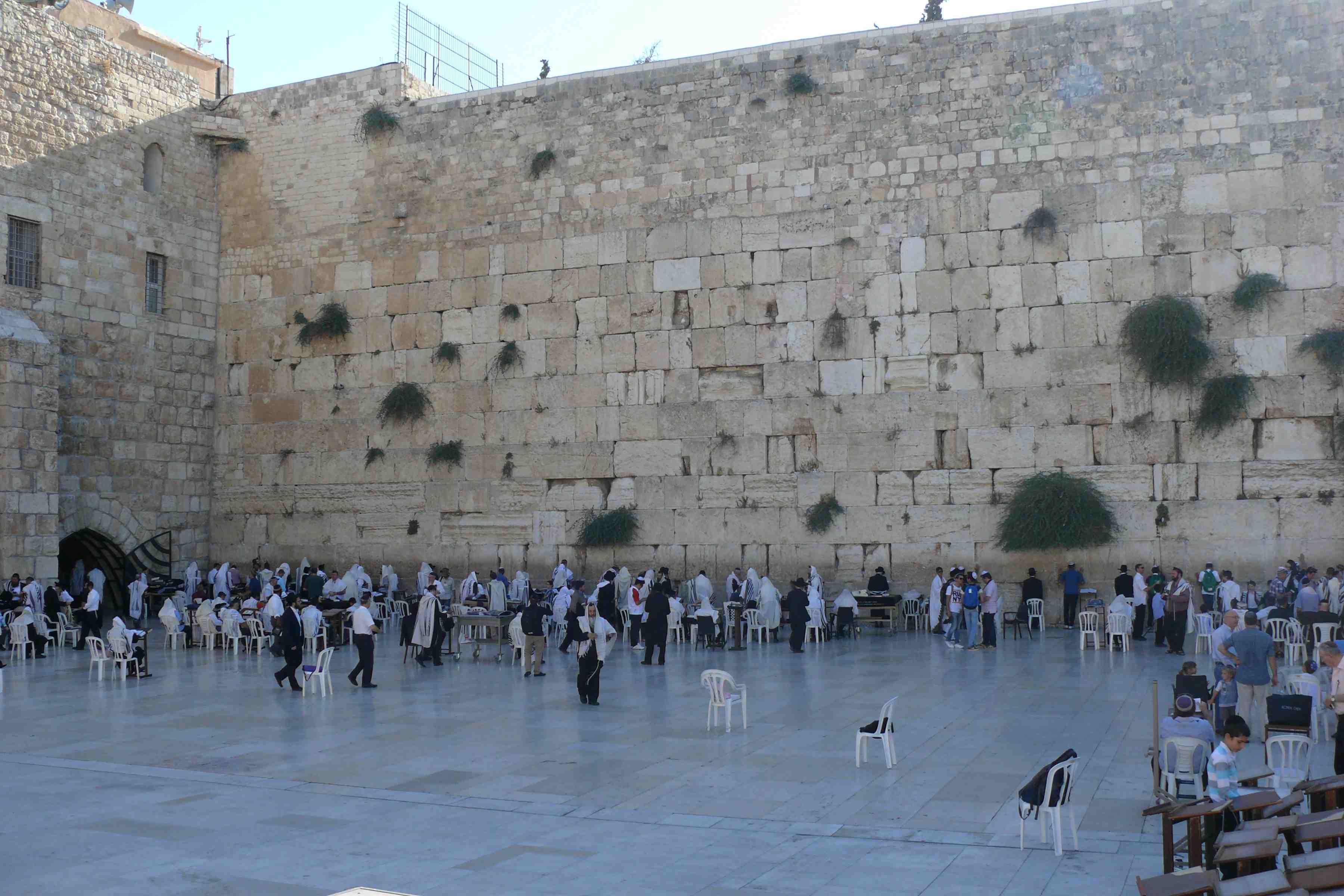
The women and men have separate sections at which to pray, and today it seemed that there were a lot of fathers attending with their sons, doing the ceremonial hand washing prior to entering, with the fathers using it as a time of teaching for their sons. 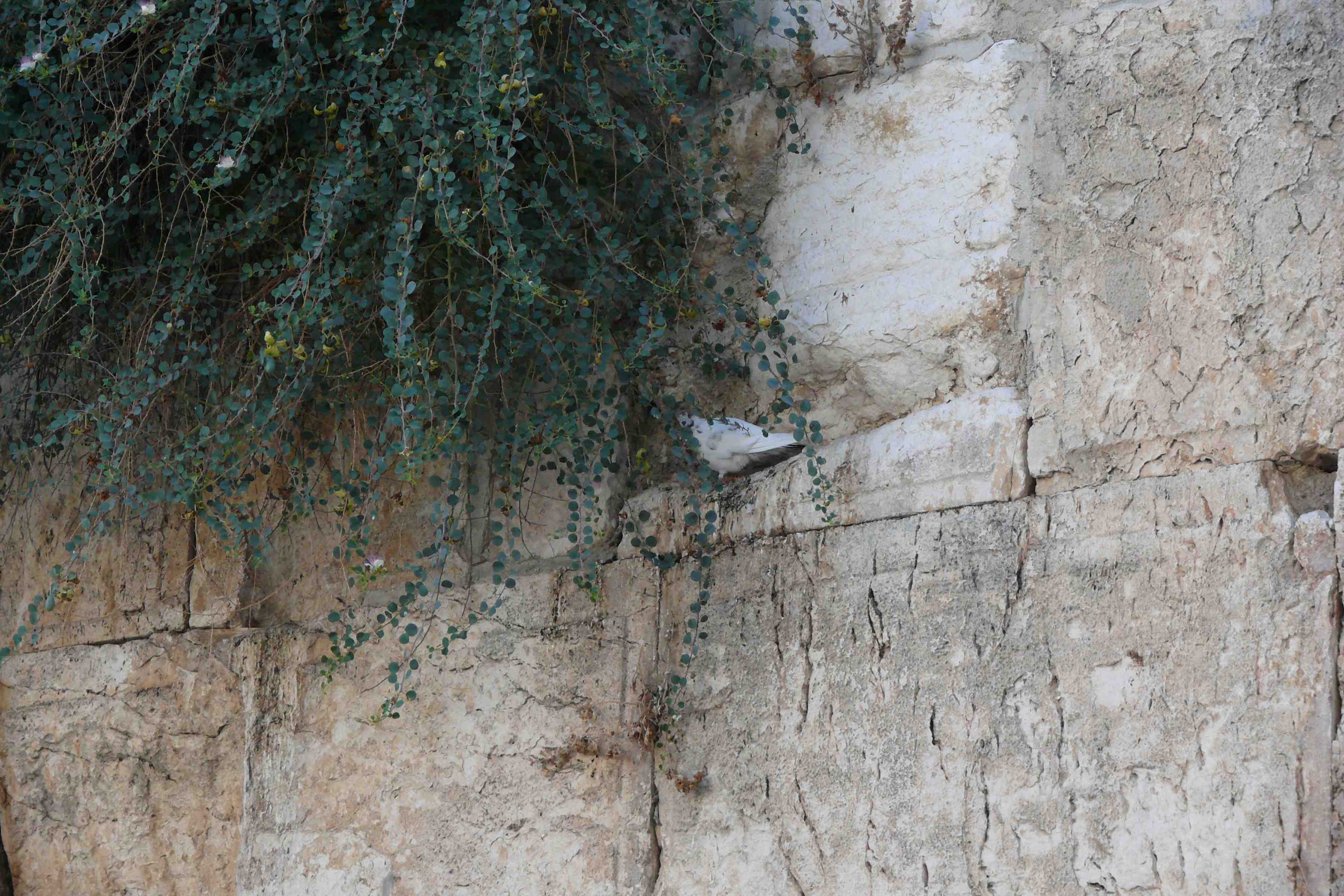 We took a few minutes [in our separate sections of course] to view, and the women of our party read the story of Jesus staying behind in Jerusalem at the time of the passover when he was 12 years old. It was quite beautiful to see a white dove nestling in a crevice of the wall.
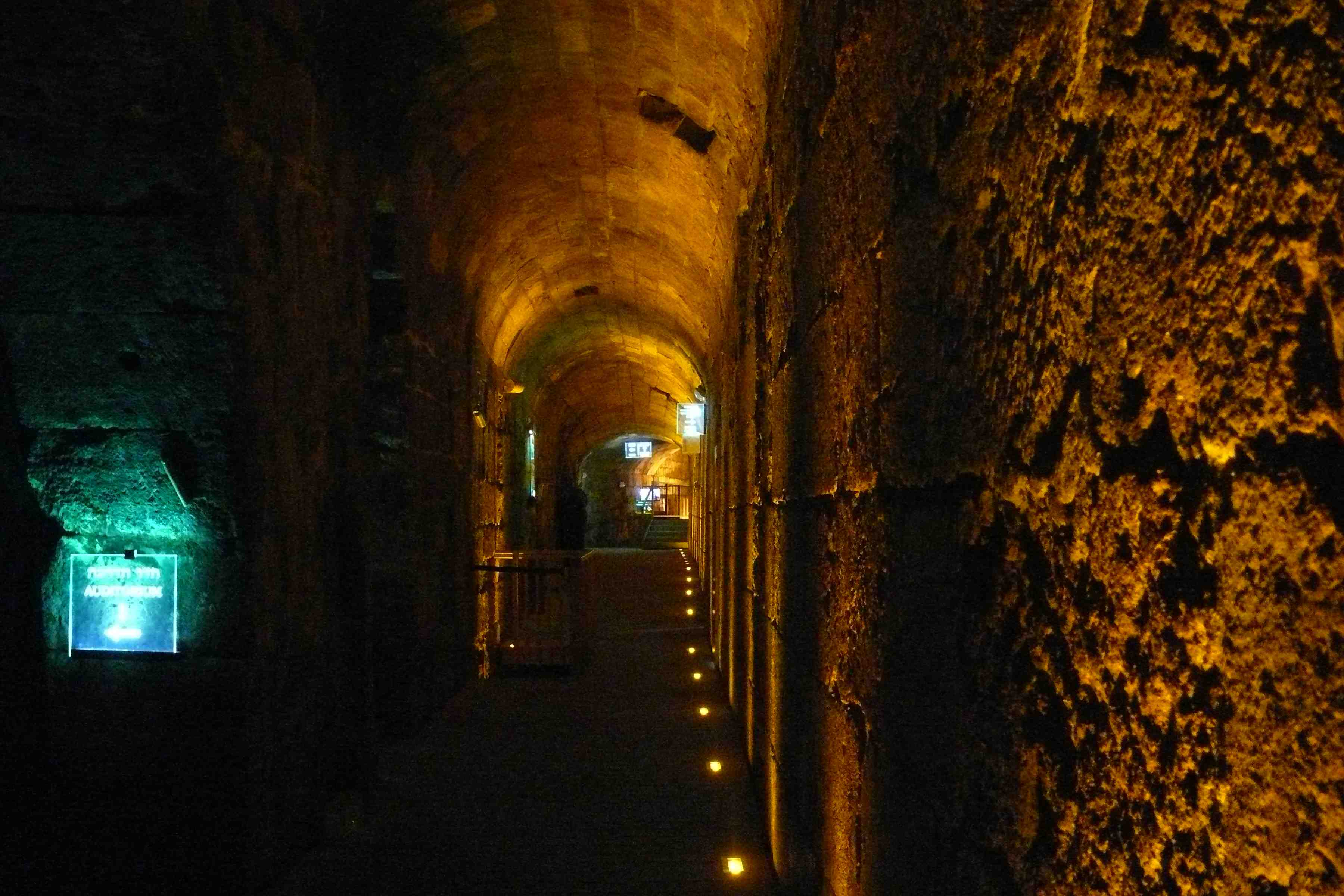 We then made our way to the tunnels under the western wall and heard more of the history and story of the various eras of building, the destruction of the Temple, and the
 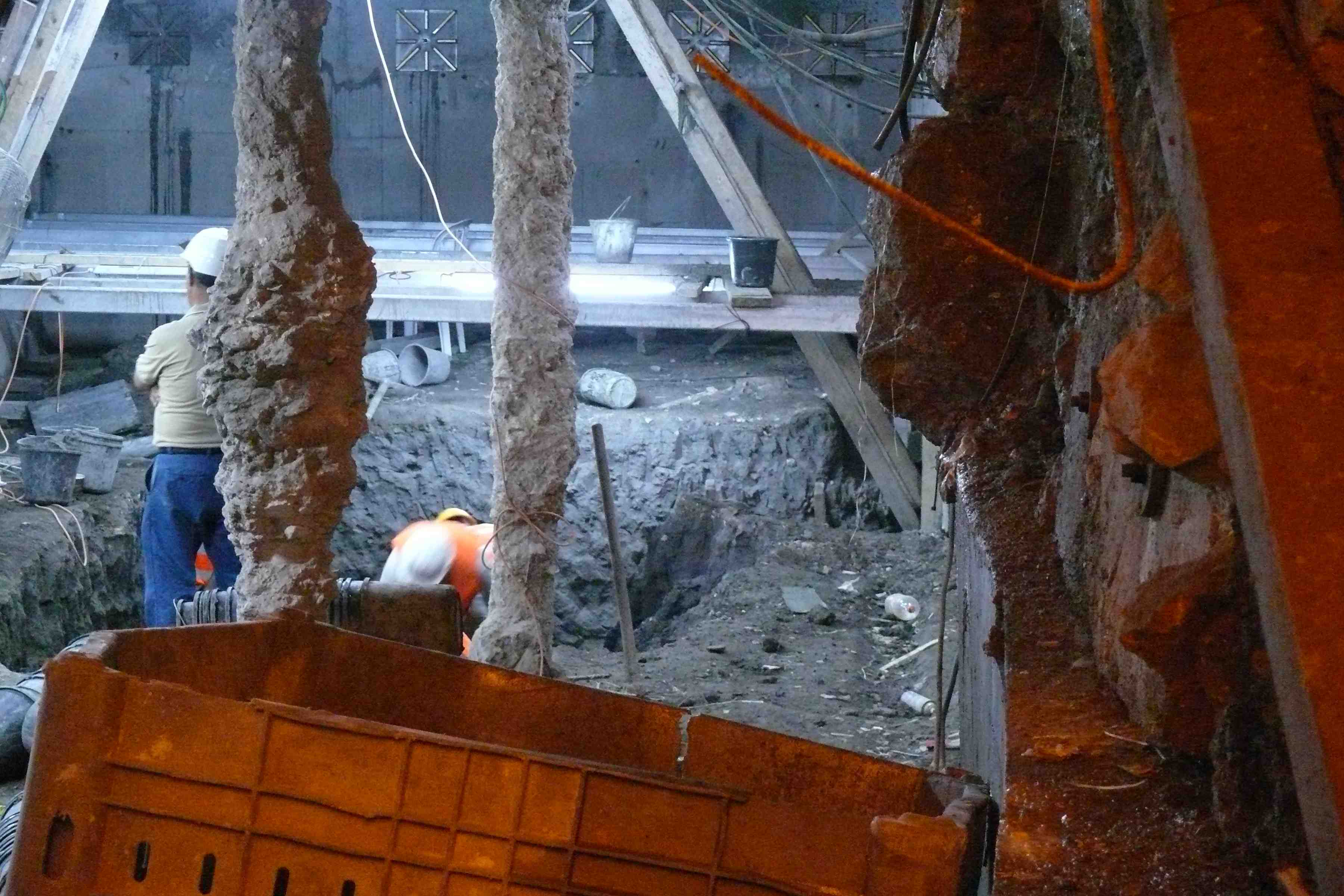 gradual moving of the city walls under the different regimes throughout the centuries. It was an incredibly fascinating experience to walk through the many underground tunnels
 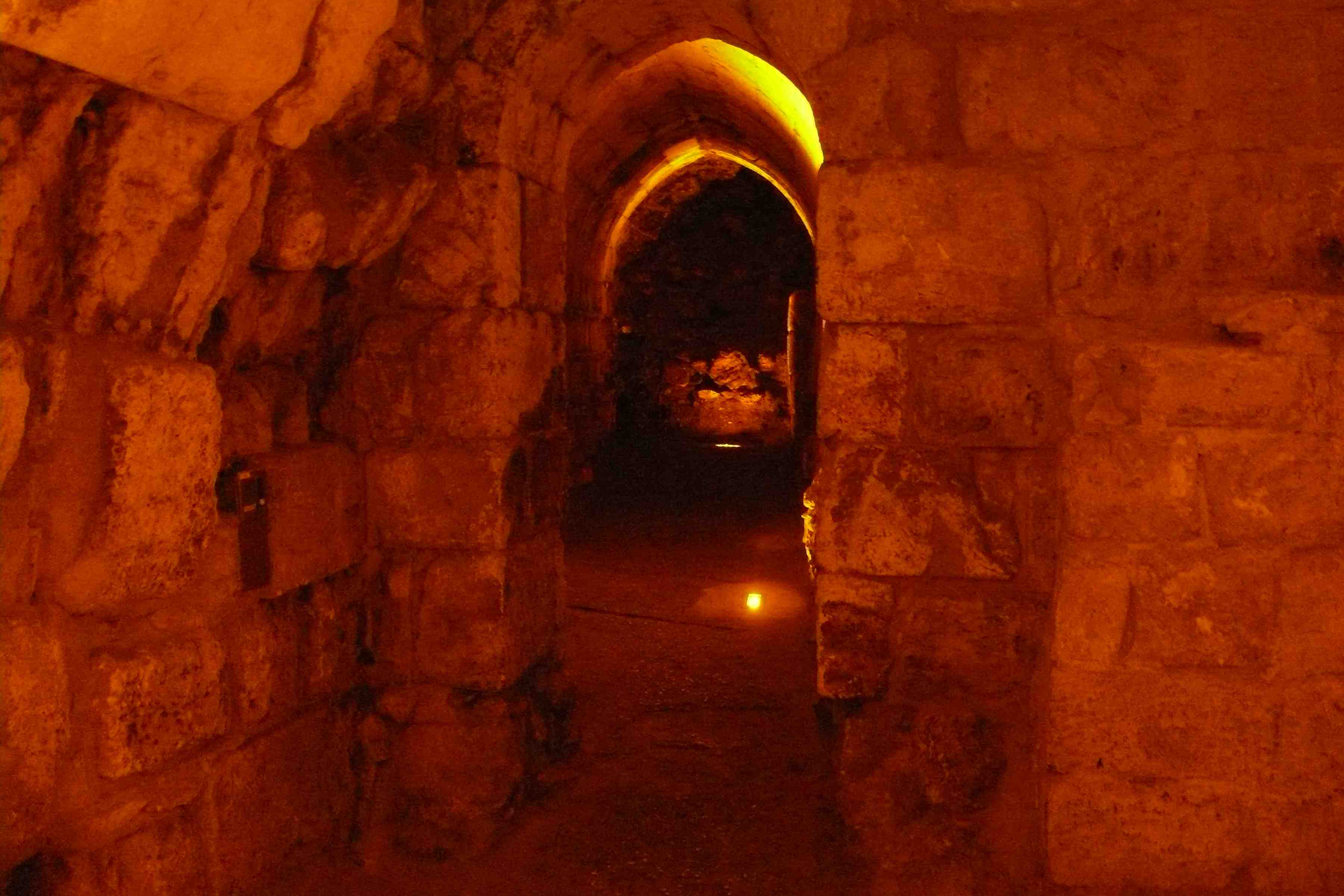 along the western wall and to actually witness people digging more excavations to see what else history can reveal to us. Old Jerusalem is divided into 4 sections –
 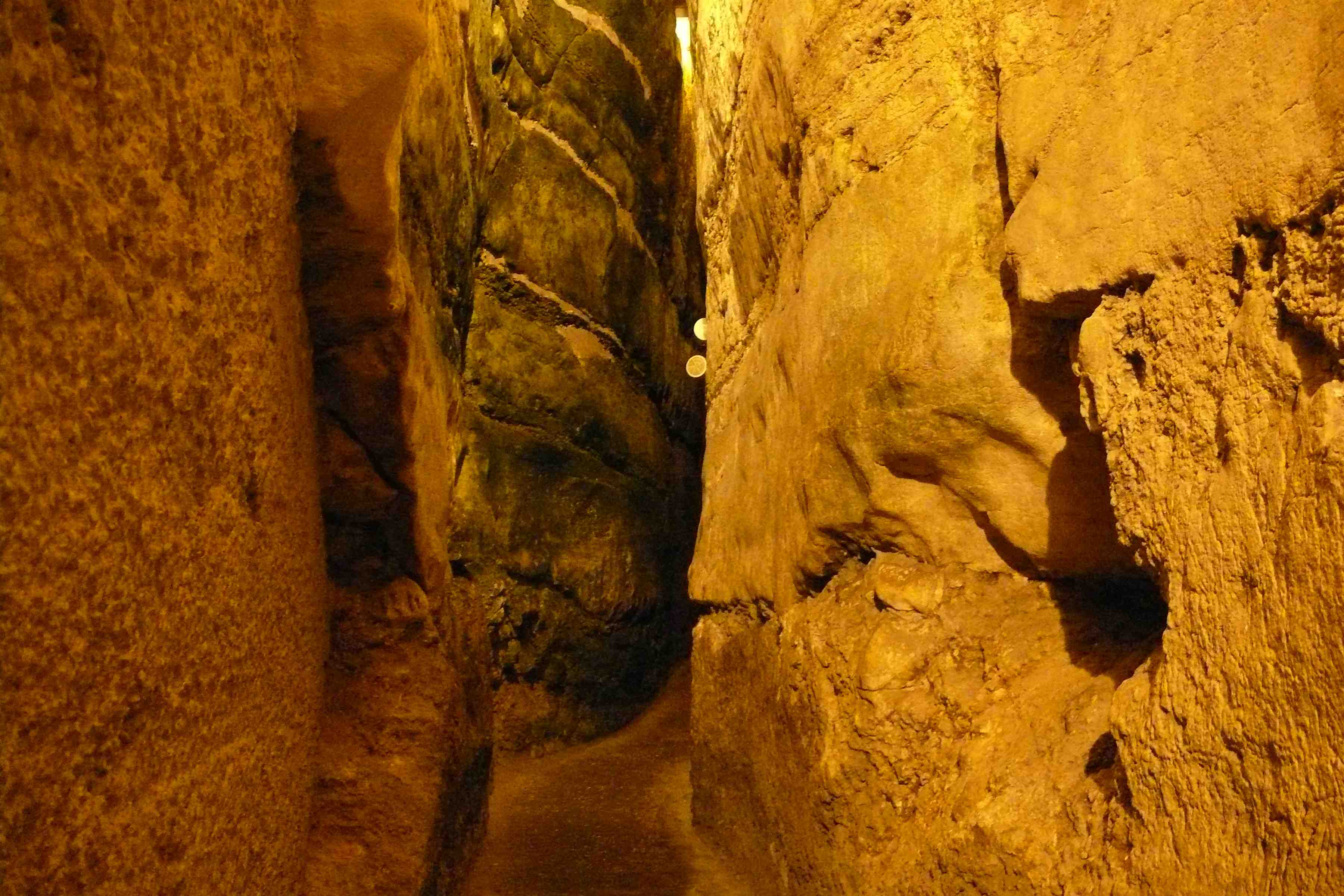 the Muslim quarter, the Jewish quarter, the Christian quarter and Arminian quarter. It seems quite odd that when we resurfaced from the tunnels we came out into the
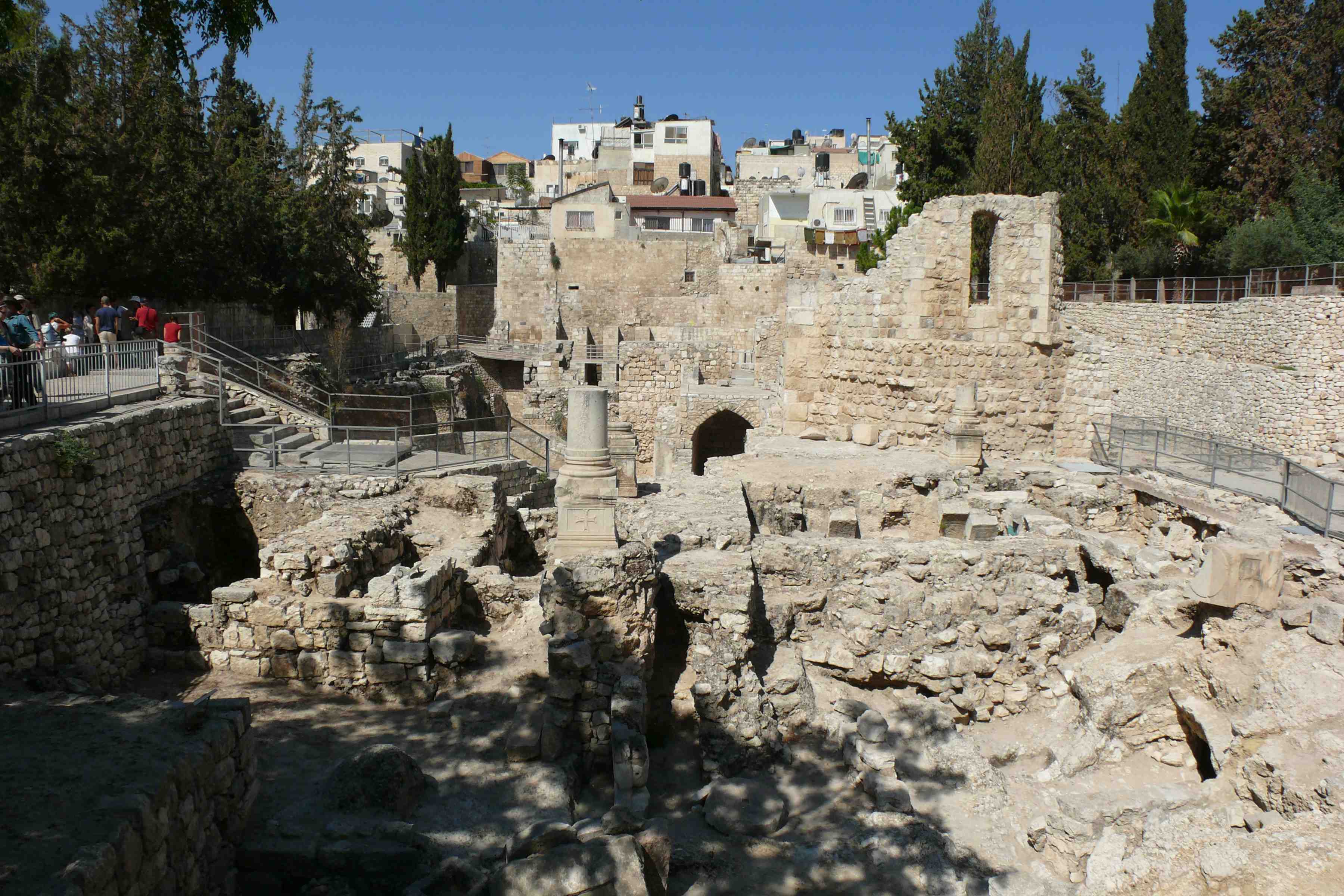
 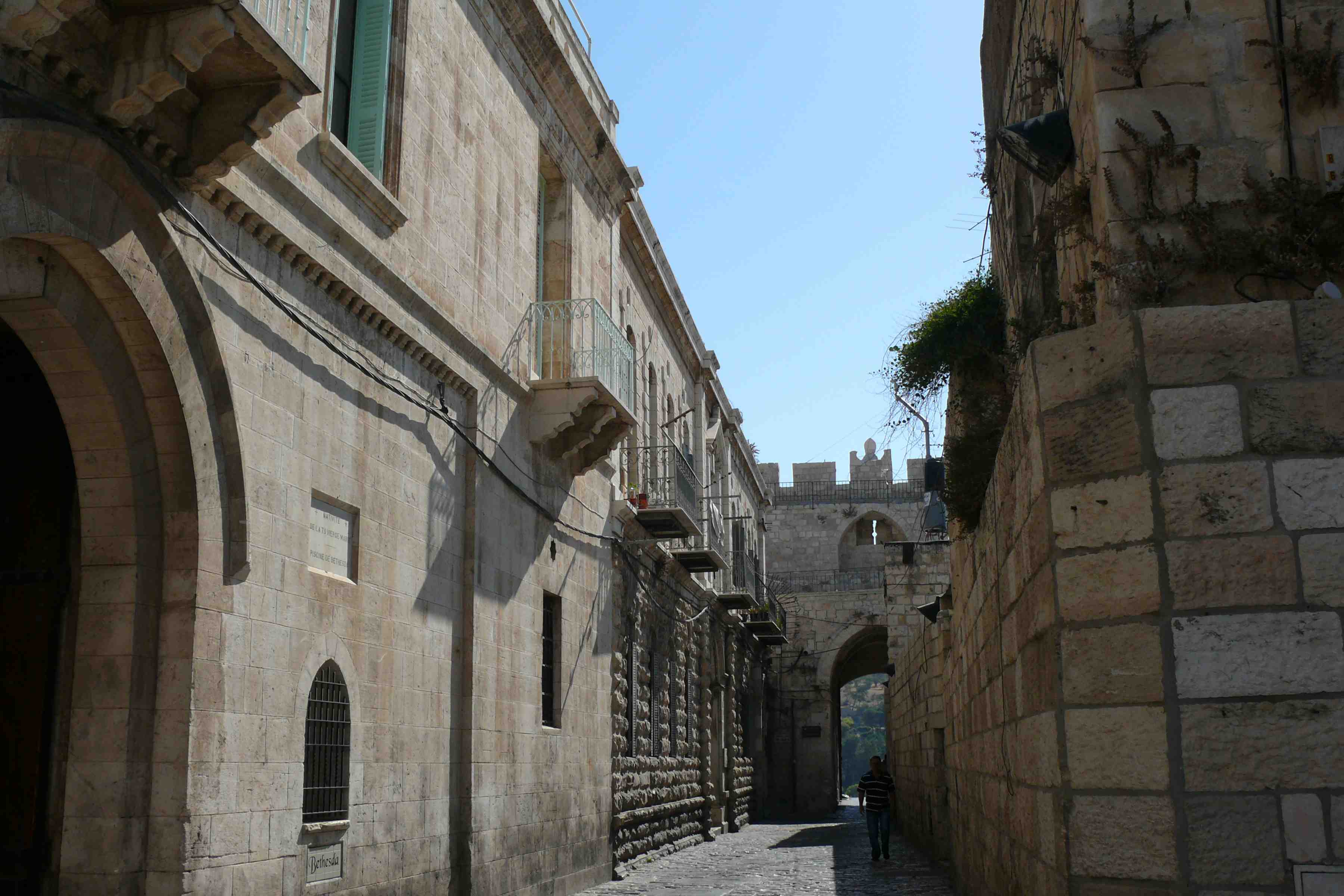 Muslim quarter, made our way down the cobbled street and then entered a Christian church built at the location of the ancient pool of Bethesda [John 5]. The ruins there outside the church were incredible.
  The acoustics inside were also spectacular and we took the opportunity to sing a couple of verses of ‘Amazing Grace’ and ‘Jesus, name above all names’.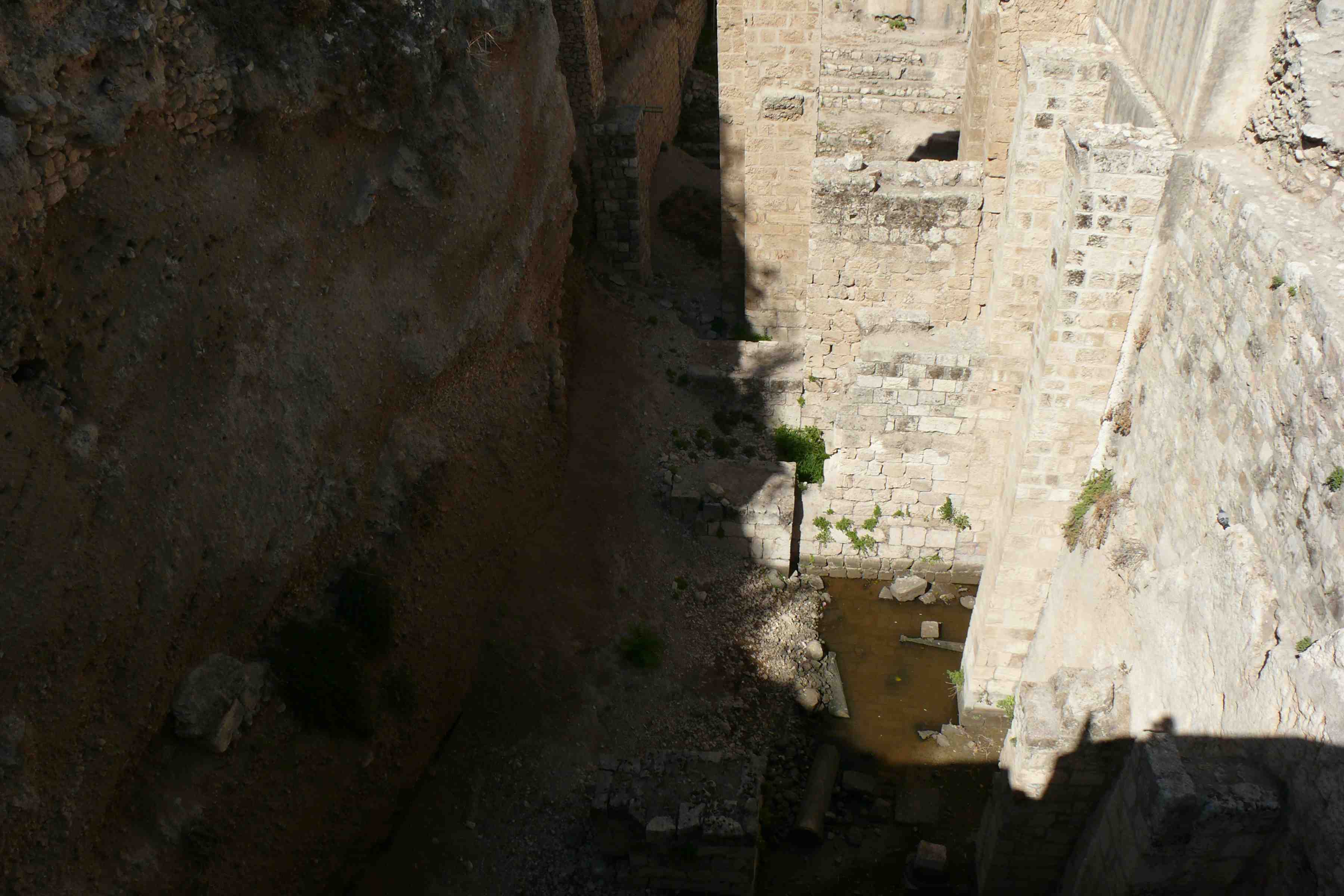
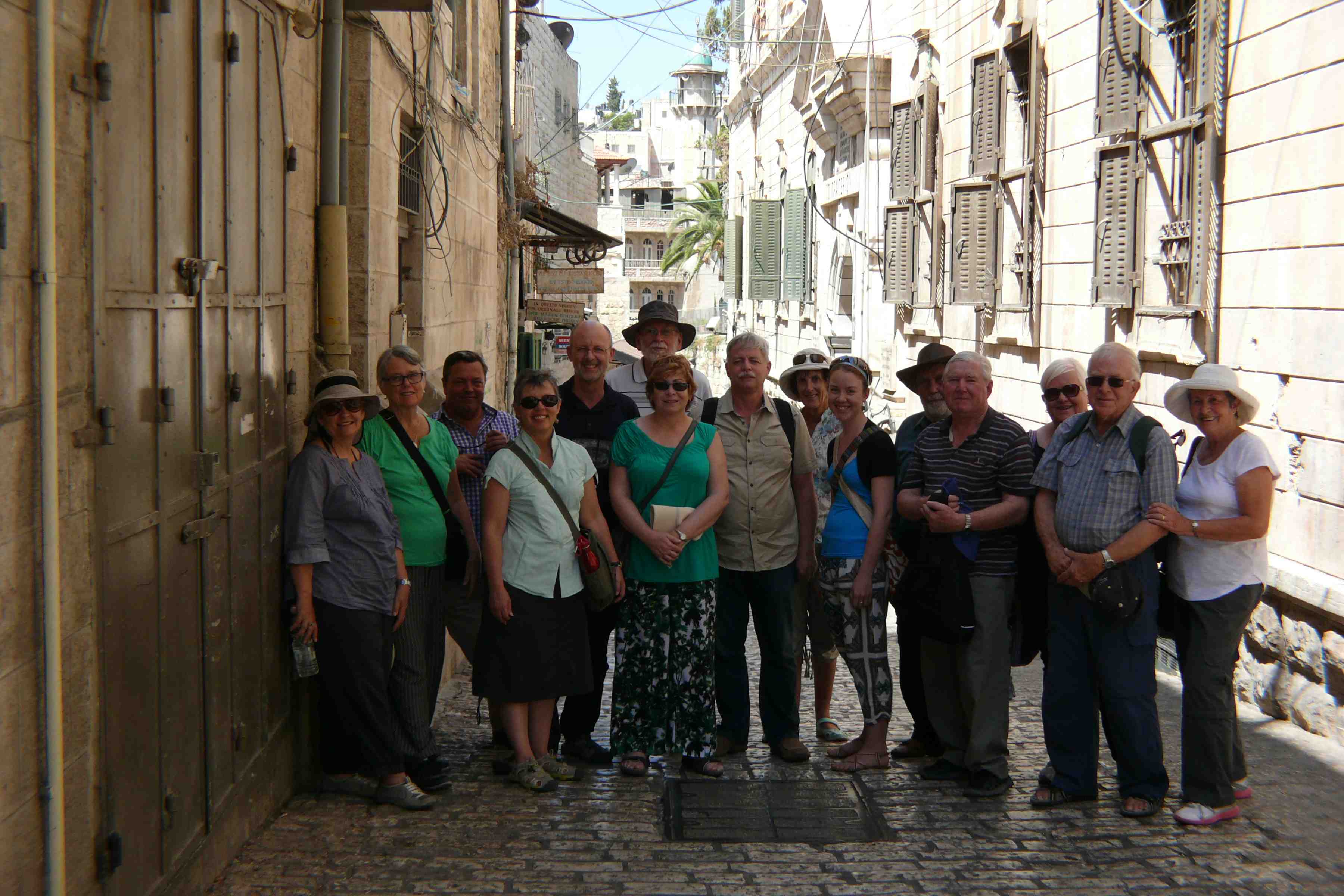
We headed back out and then took the Via Dolorosa – the traditional route of Jesus going to the cross.  The reality hit us that where we were, was in fact, about 12 metres above the ground level of Jesus’ day, and in the 21st century, the ‘via dolorosa’ is now actually a bazaar and a
 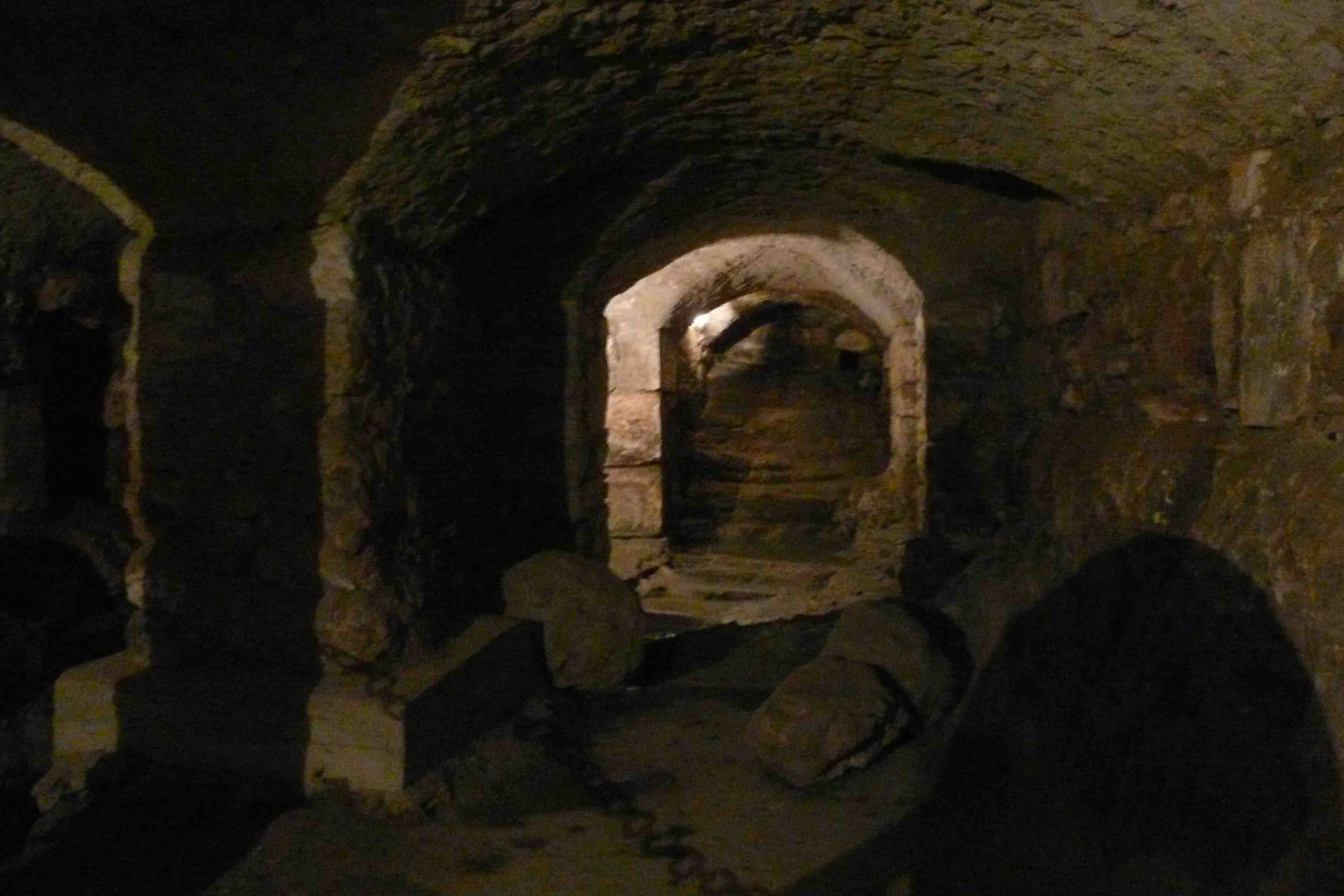 whole series of chapels or churches built at various points along the way. Some of the churches are quite pretty, but the majority are fairly garish,
 filled with icons, statues, candles and lamps. This of course is understandable as the Christian traditions that have flocked to Jerusalem over the centuries have been
 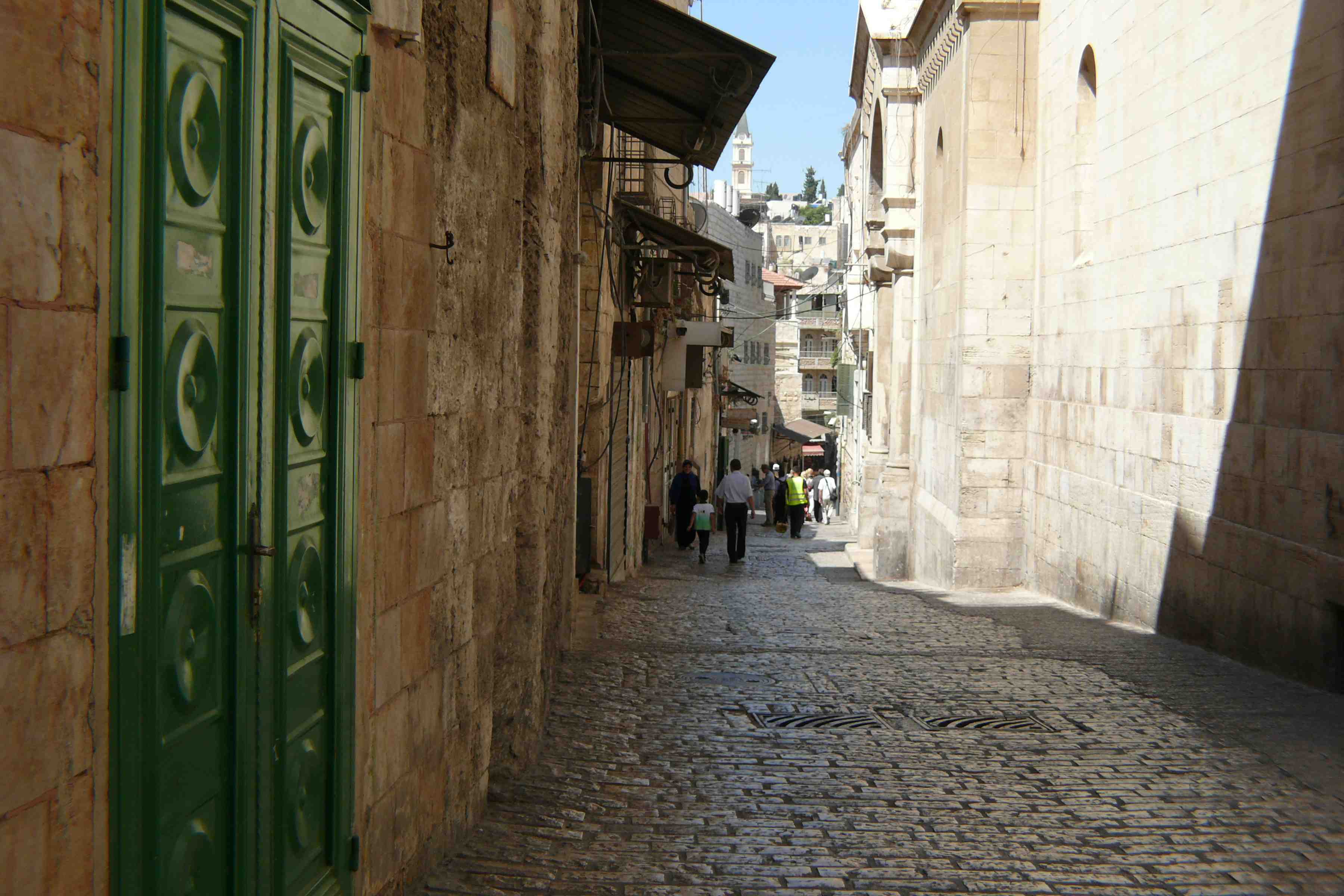 Coptic Orthodox, Greek Orthodox and Roman Catholic. There were some interesting moments as we weaved our way through lots of
 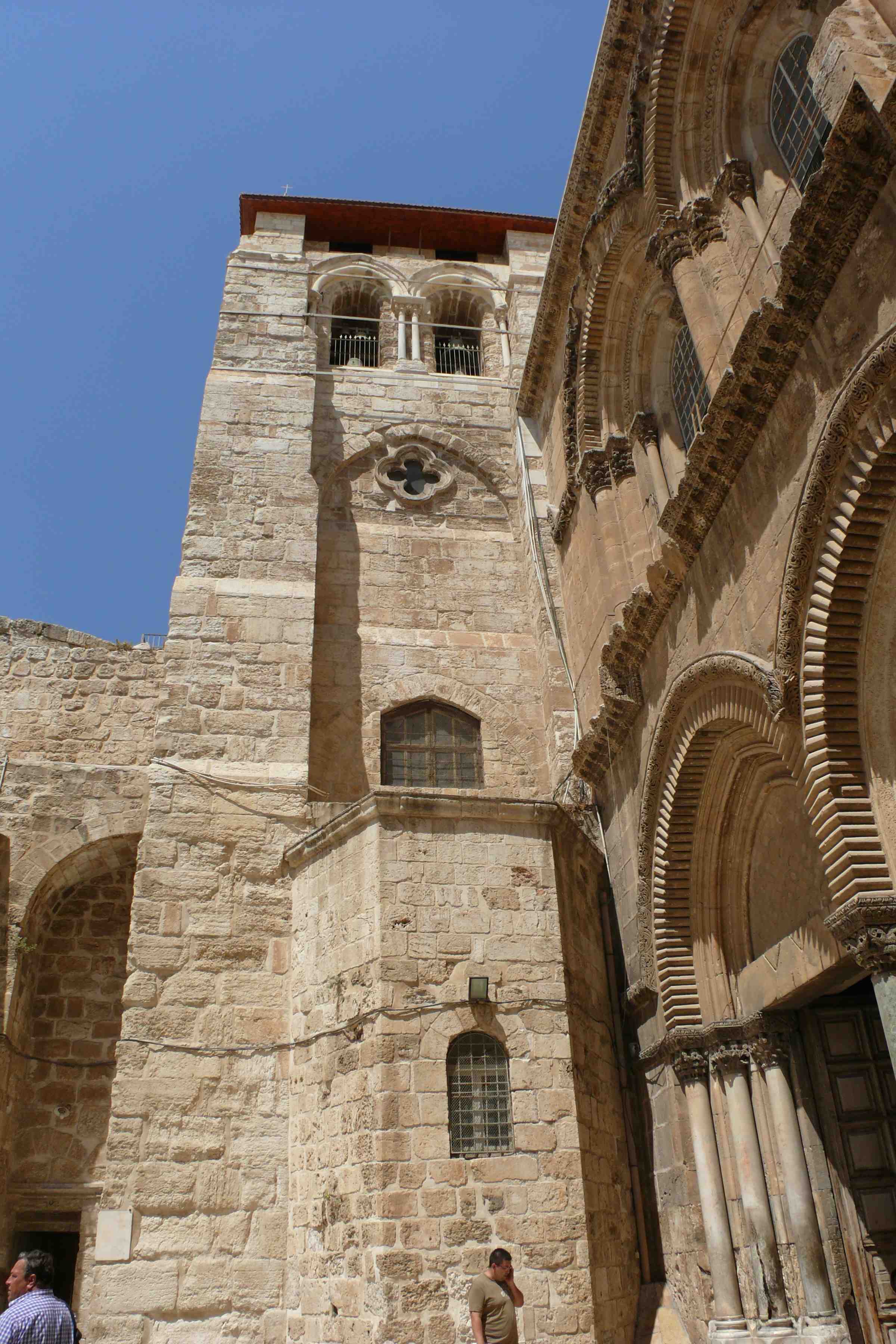 small chapels, including an Ethiopian chapel, which were all covered over with a roof and connected at the time of Constantine. Exploring the connections, and finding your way in and out without a guide, would have been extremely challenging. Through these chapels we then exited to a courtyard outside the Church of the Holy Sepulchre, which houses a traditional tomb of Jesus. This was very Orthodox in character and for our tastes at least, we didn’t find it particularly helpful devotionally.
 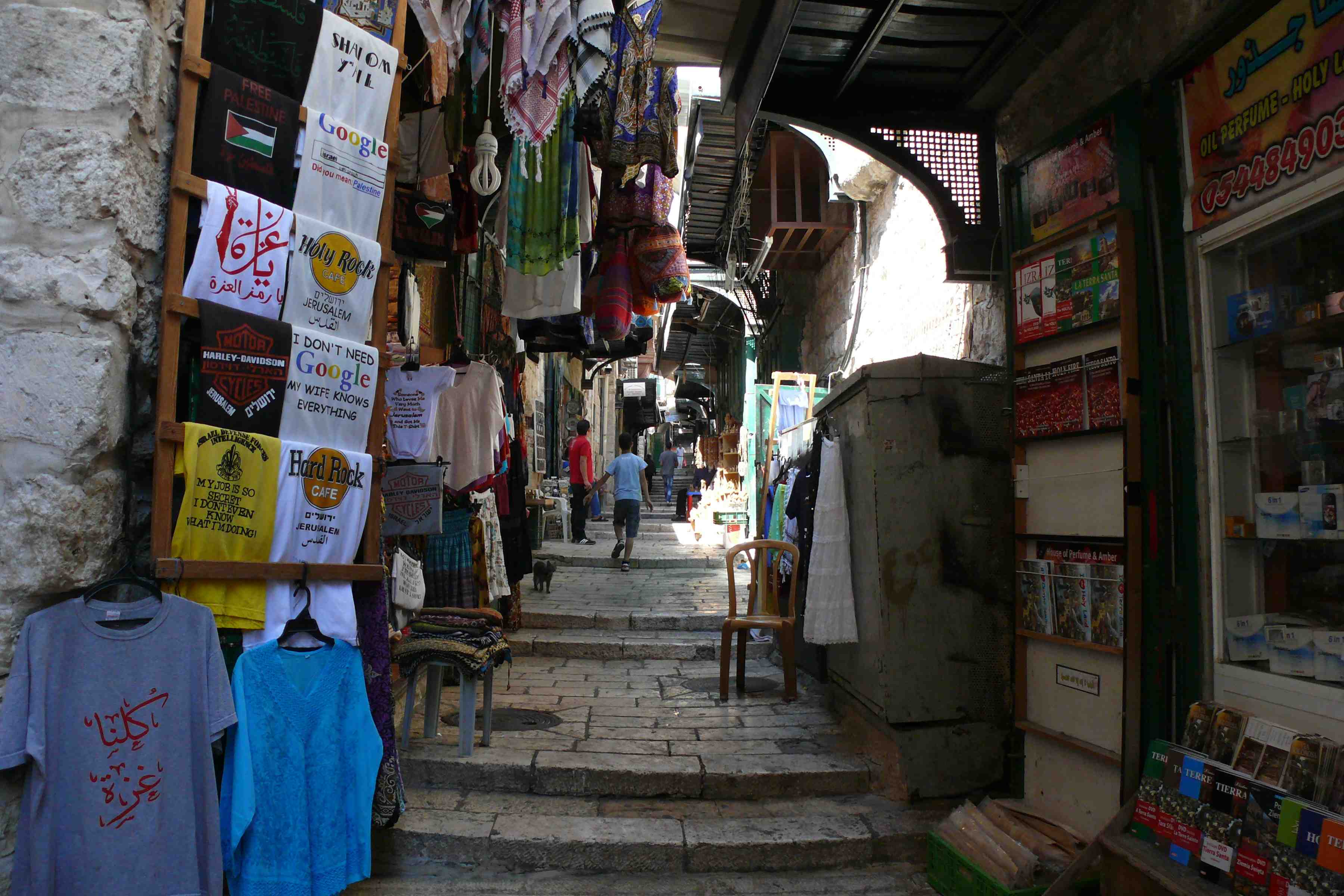 The other thing that also needs to be taken into consideration is that the route of the Via Dolorosa [the way of sorrows] has changed throughout history, and the route followed today has only been in place since the 16th century. When we use the term ‘traditional’ for any of these sites, it means that the early church set up churches or chapels there to commemorate the site as a possibility. In the 4th century Constantine’s mother, Helena, came to the Holy Land, and through asking the locals in various places, got an idea of where things might have happened and marked them on a map. It is this map that guided the church in the ensuing centuries. In these later days, with more archaeological excavations revealing new things, these ‘traditional’ sites have been replaced with the likely more authentic options.
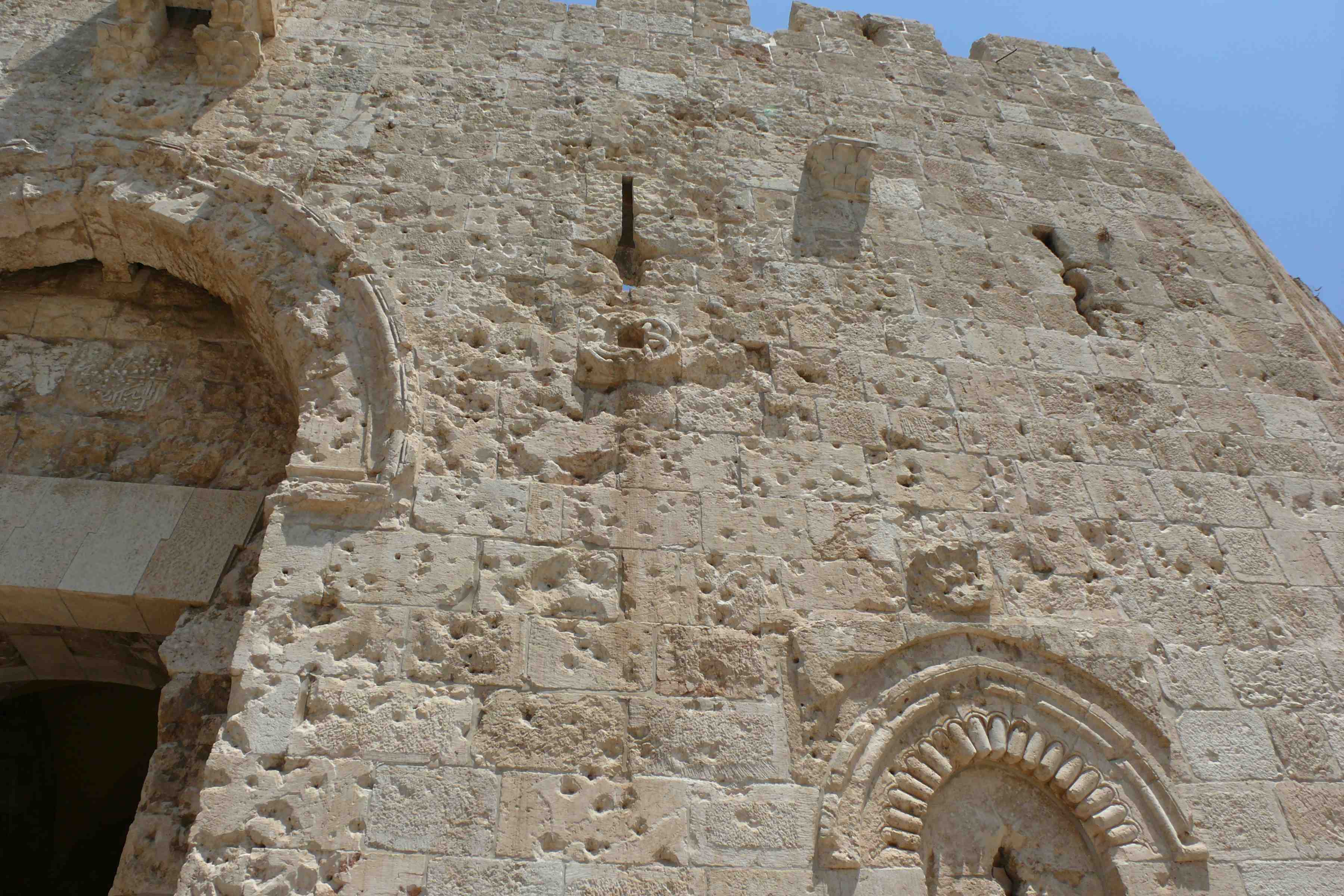 As we exited the city through another gate we saw the clear evidence of the violence of the 6 day war of 1967 with so many bullet holes in the city wall.
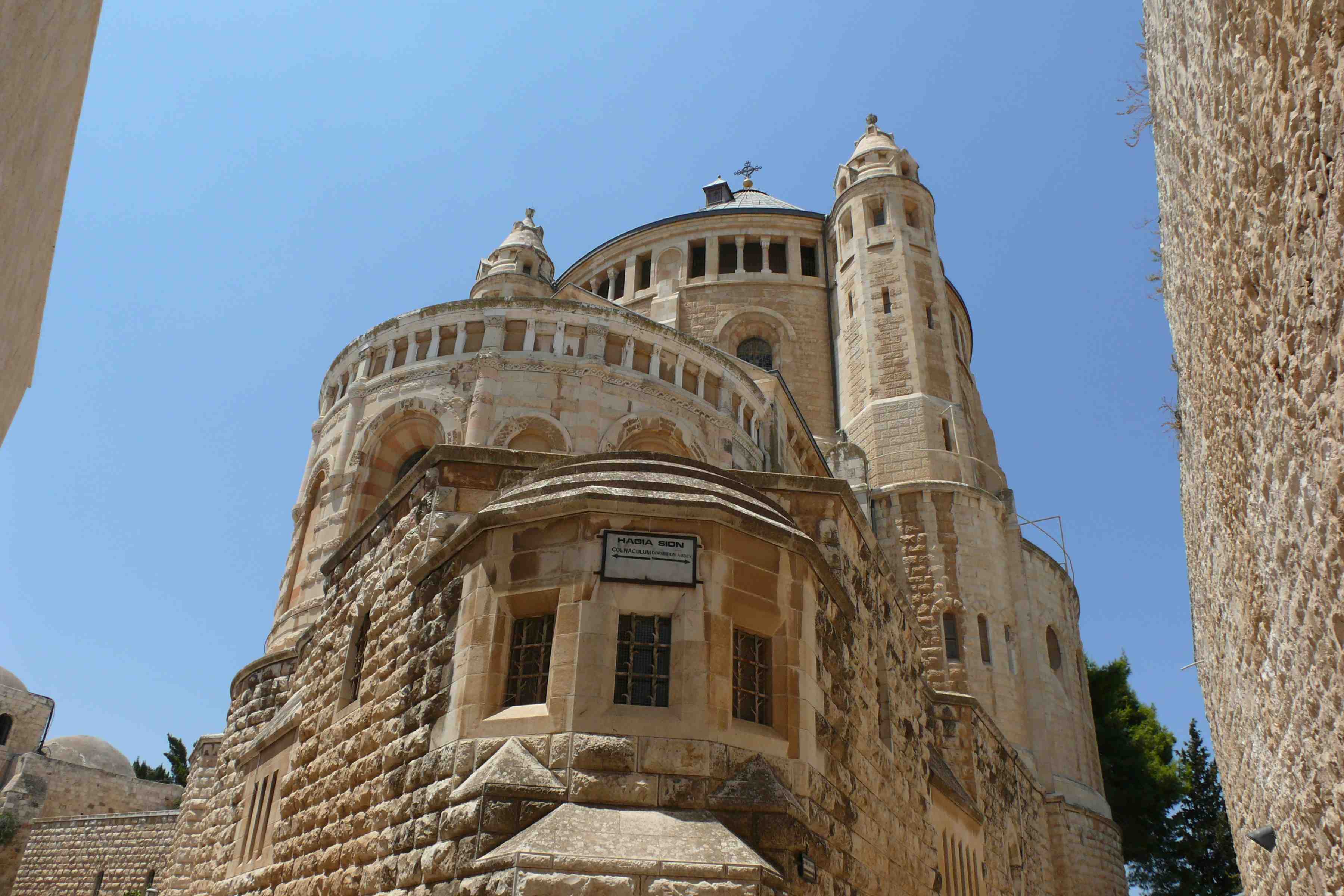 Our final stop before getting back on the bus was to have a short visit to the traditional site of the Upper Room where Jesus had passover with his disciples the night before his crucifixion, and the place where the disciples waited for the coming of the Holy Spirit at Pentecost.
 A half hour drive saw us out in the Judean Wilderness for a lunch experience with ‘Abraham’. We had the option of a camel ride down to a
 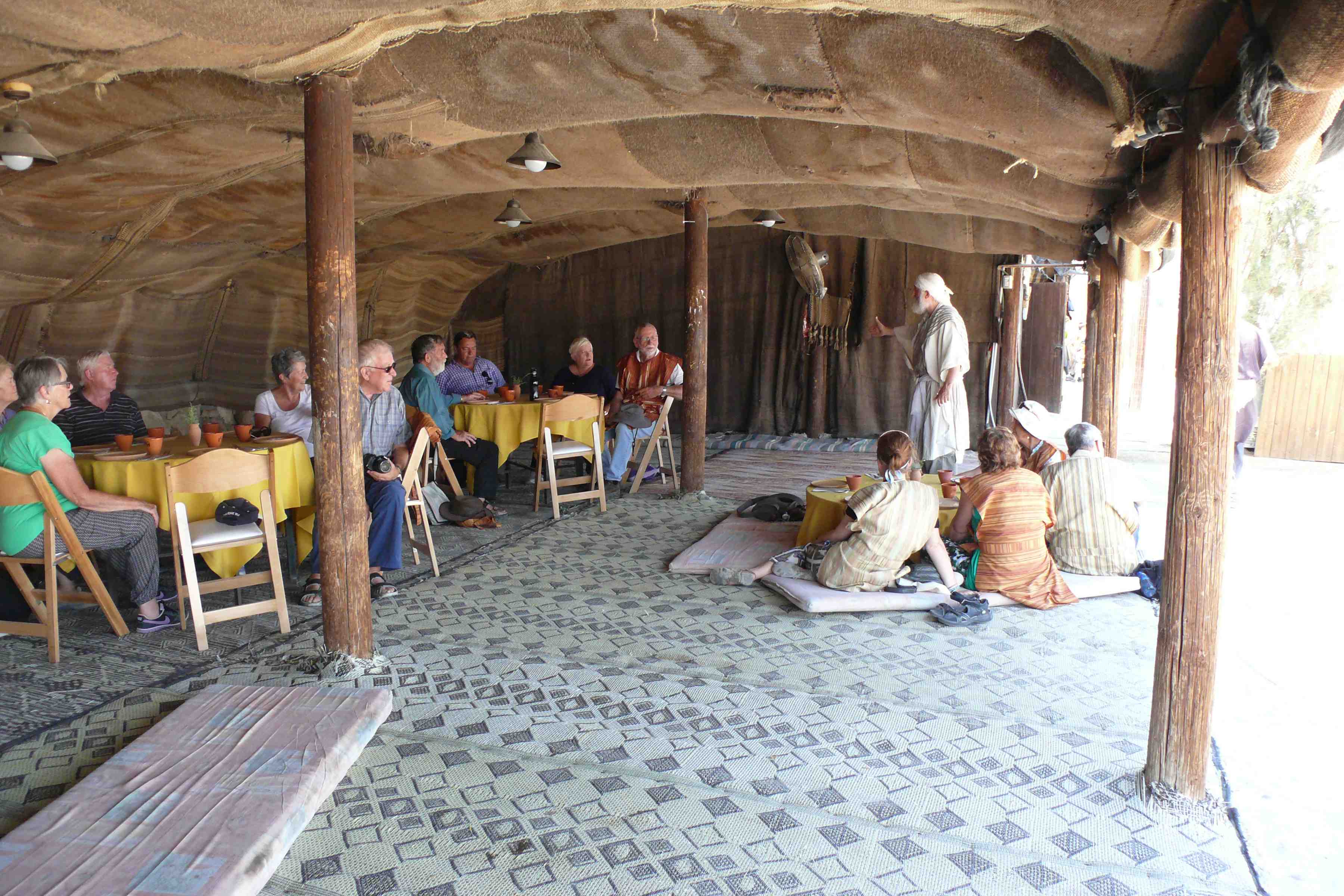 traditional bedouin tent where we were treated to a beautiful spread of ancient cuisine shared with us in true nomadic hospitality.
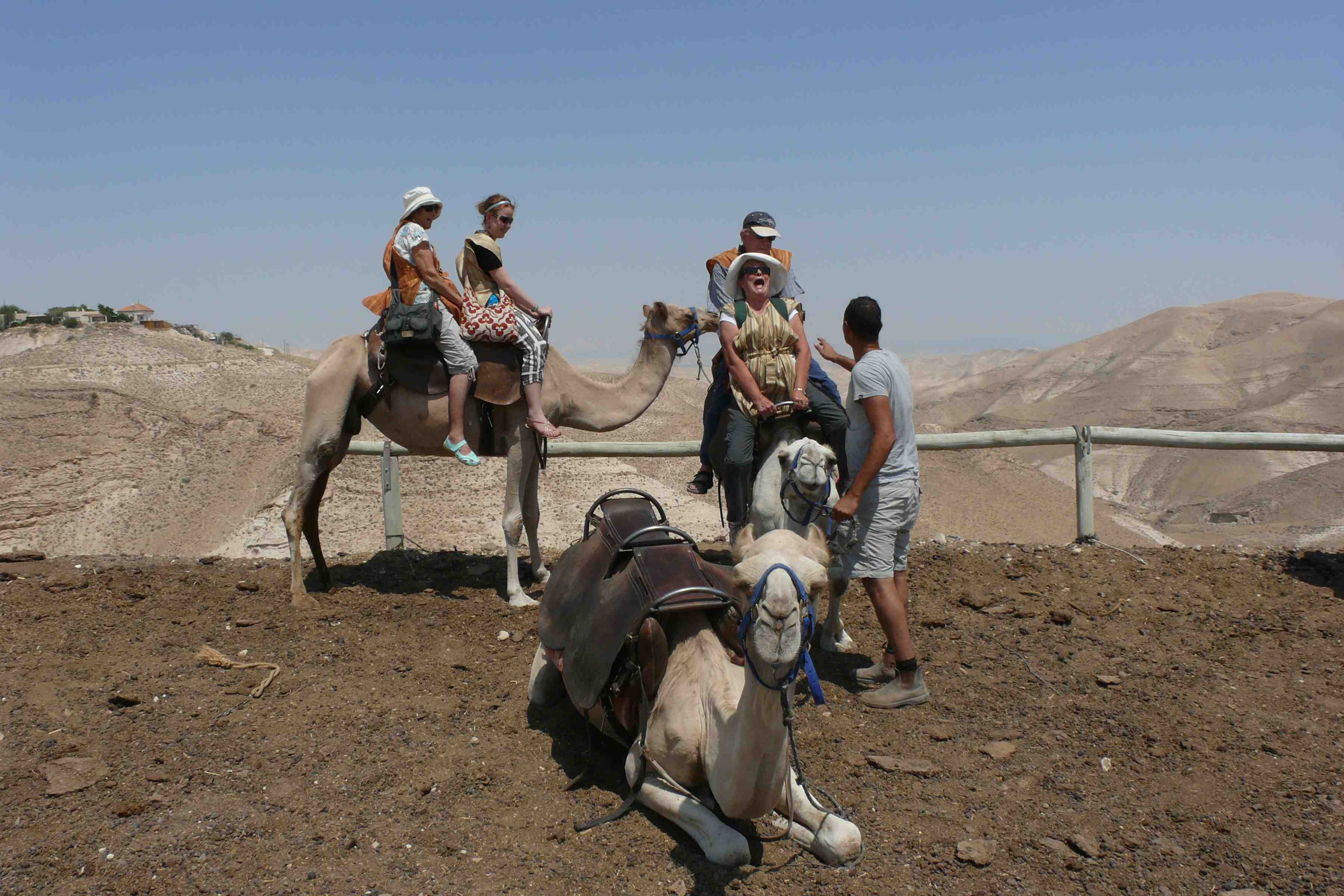 These camels were definitely different to the ones we rode at Petra. None of us felt secure, but those of us that chose to ride got down to the tent in one piece. However the return journey was another story. A couple of the camels had minds of their own, and one even refused to comply with the handlers requests and simply complained and complained and would not get up.
 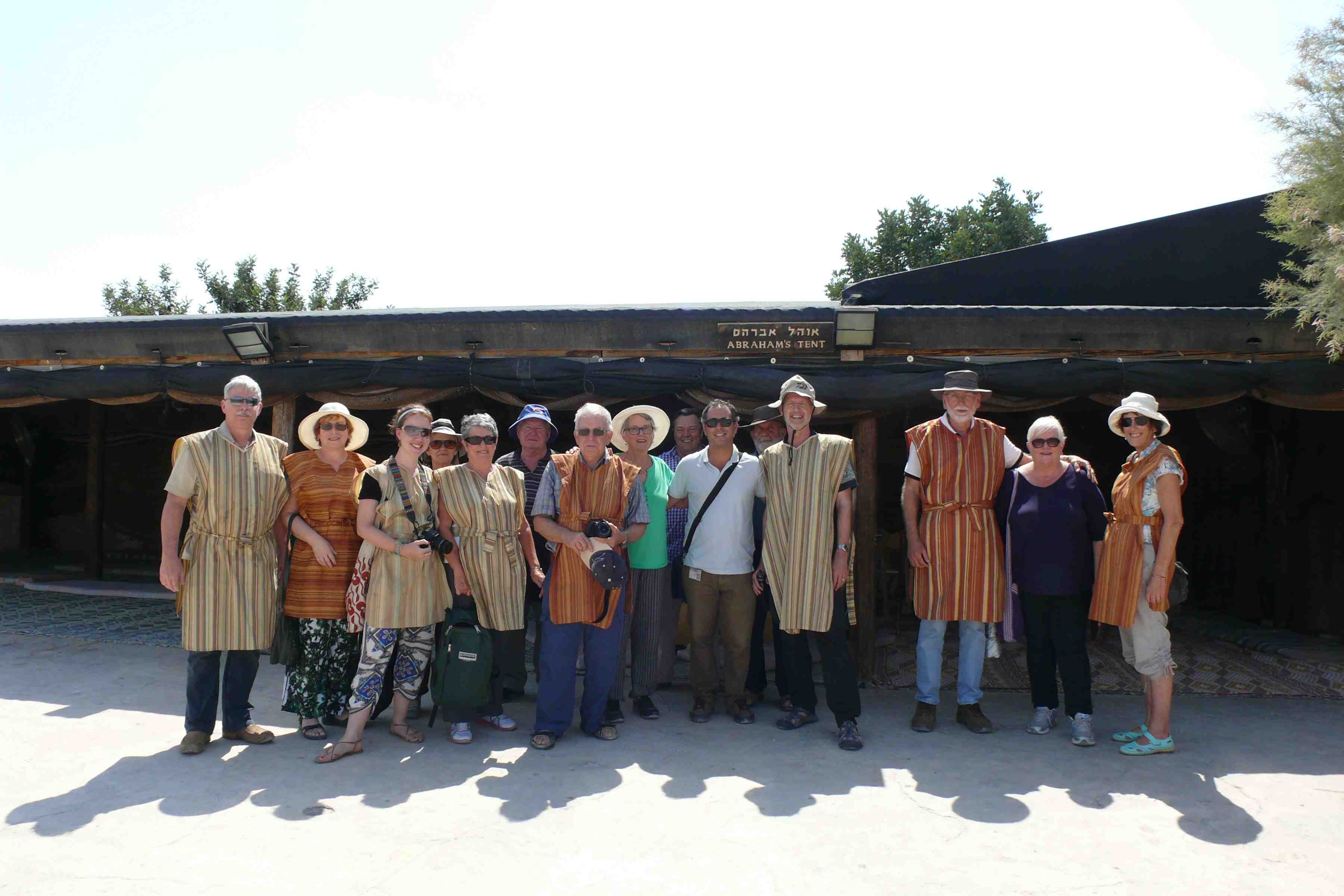 Then when forced to get up, promptly sat down again. After a third attempt, and Joyce and Graham were even on saddle, she [the camel] then kicked up such a stink that they got off quick smart and chose a 21st century buggy ride back up to the bus instead.
 Chris and Lynda Johnson
Wow, wow, wow, all so moving with your sharing and exspressions