
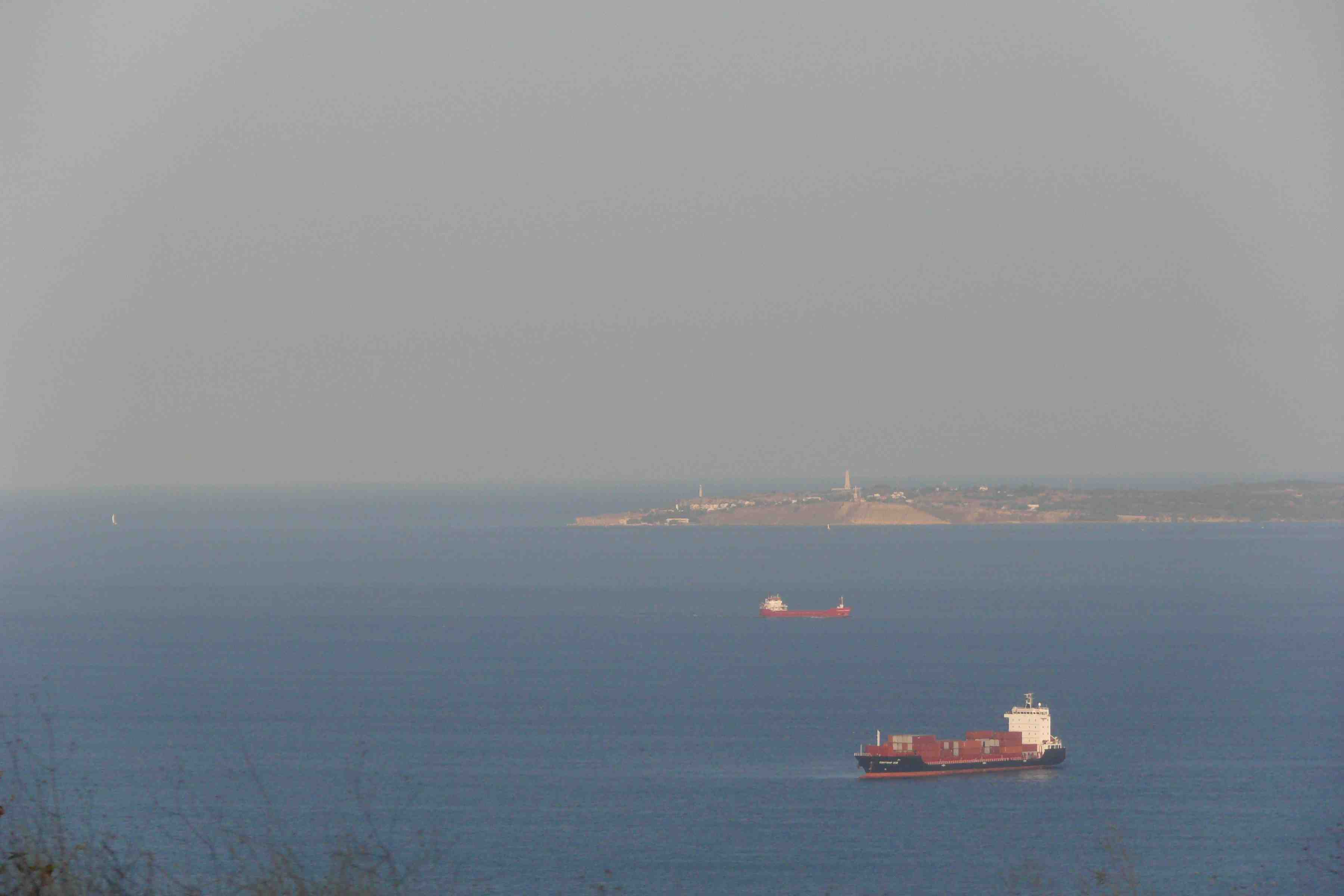
 As we left Cannakkale this morning our drive took us past a wonderful view of the Gallipoli peninsular, where the Dardanelles opens into the Aegean Sea. We saw the French and the English Memorials at the tip of the peninsular.
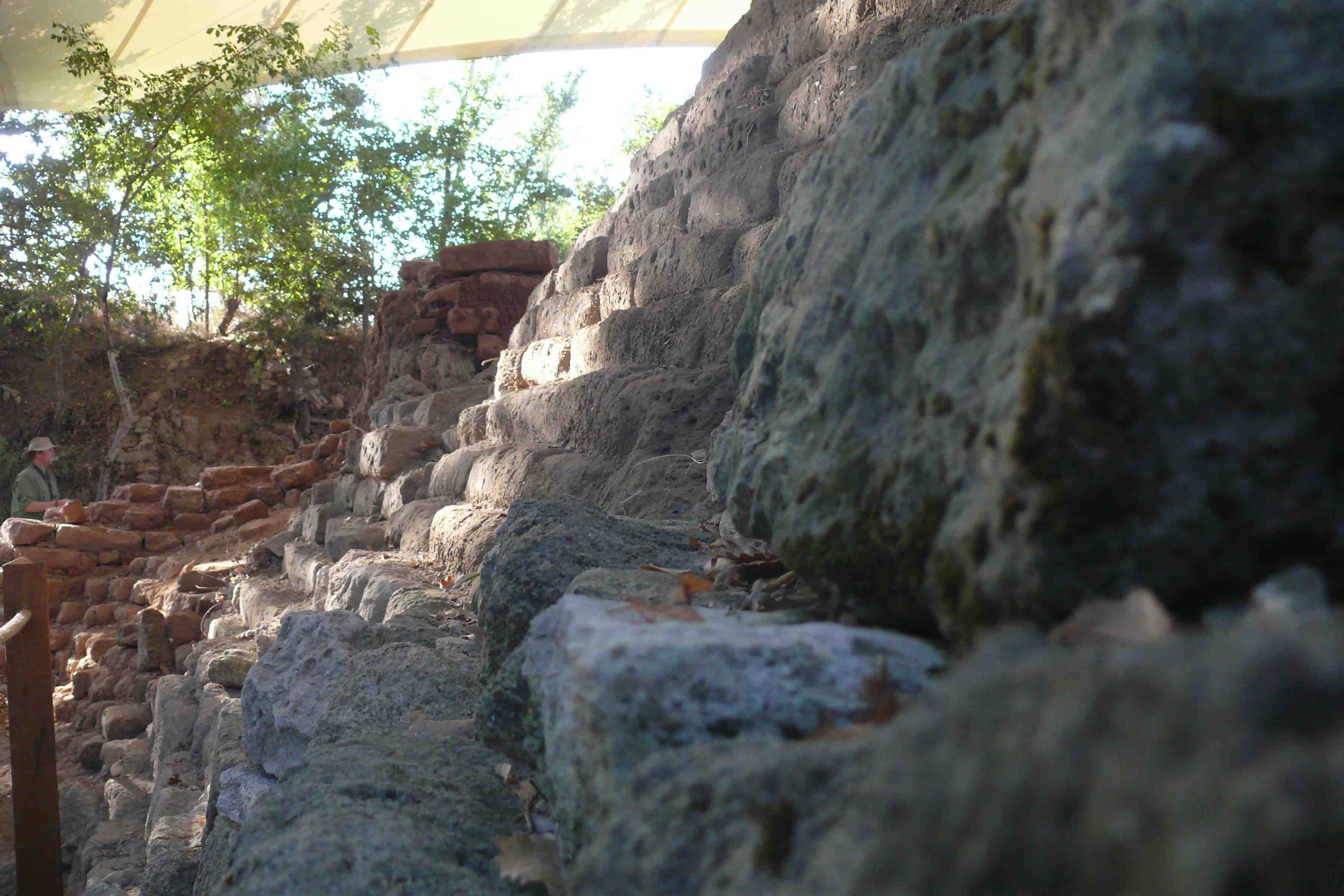 Our first visit this morning was to Troy – an ancient city with a rich history, including 9 eras of civilisation. The layers however, have unfortunately been significantly destroyed due to the inappropriate and basically selfish work of one German archaeologist who started digging at the base to only pursue his specific interests and in the process, destroyed much of the subsequent layers.

Despite this, we saw some amazing things, including a Temple of Aphrodite, a couple of different eras of the 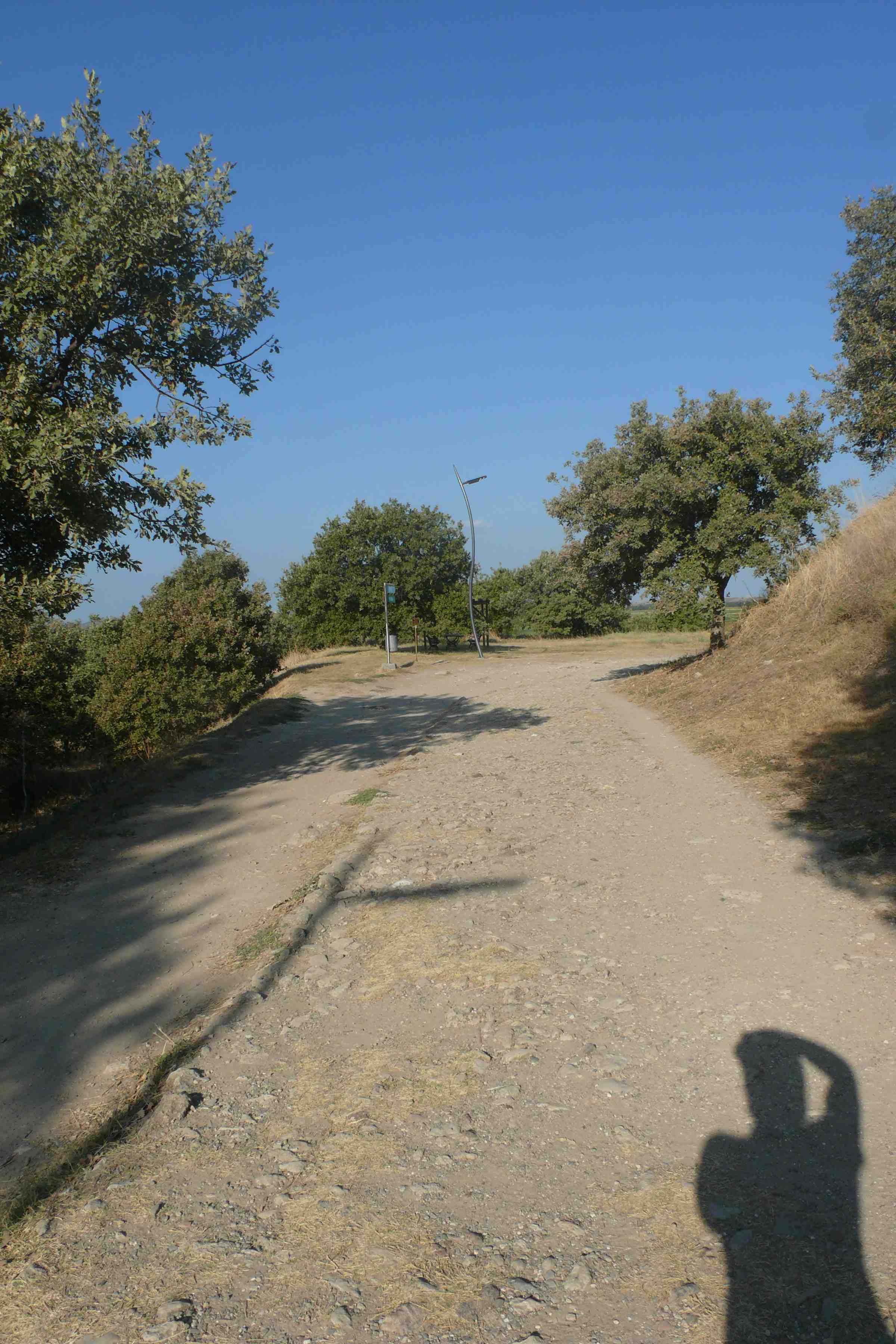 city walls, and another section of the city wall which we were walking on, but hasn’t been excavated yet. It currently looks like a road because the ground around the walls is at the same level as the top of the wall. It’s amazing to imagine what might be discovered if excavations should happen there.
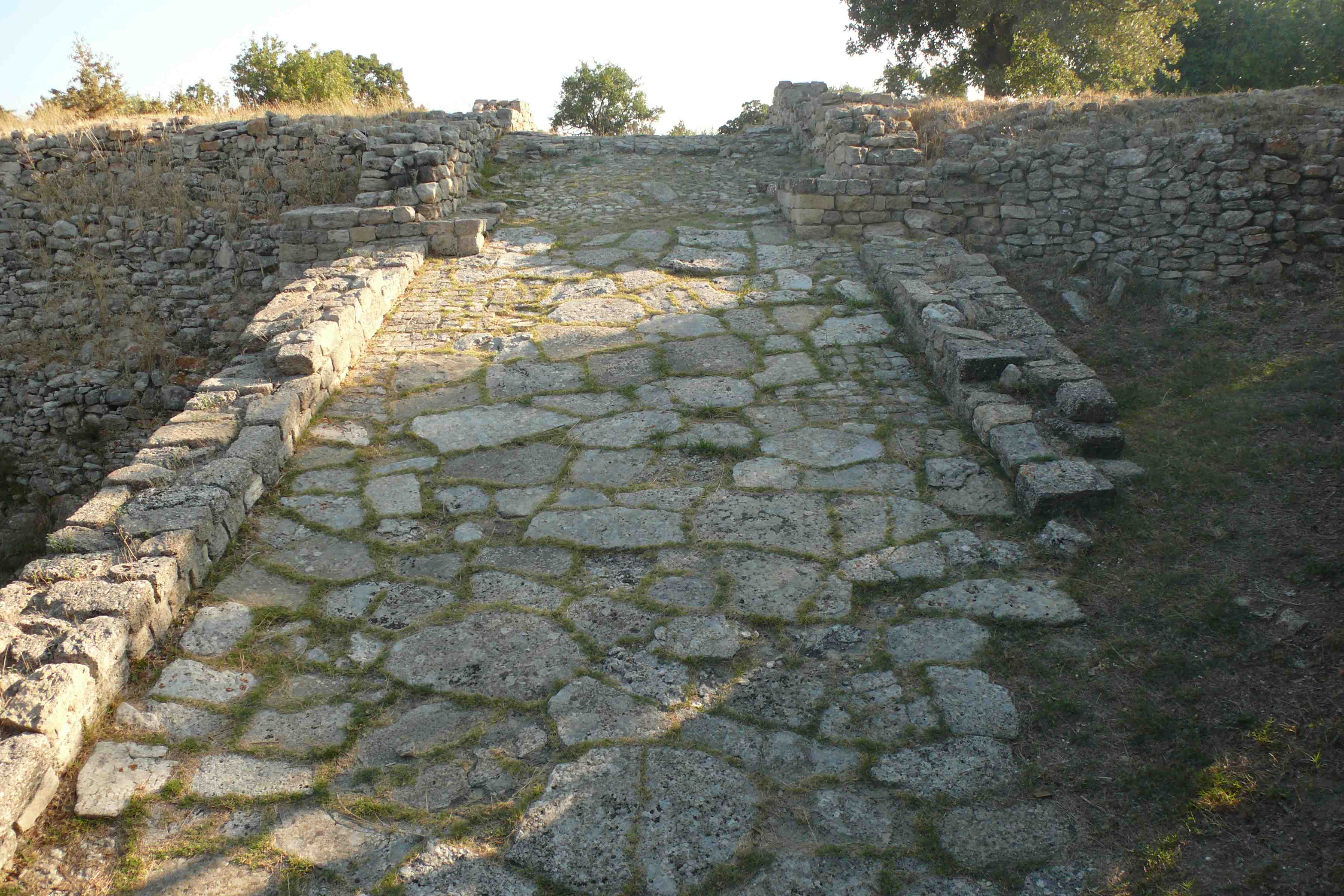
It was also amazing to see the ramp leading up to the main city fortress, and to imagine the former grandeur of the structure.
The story of Troy is 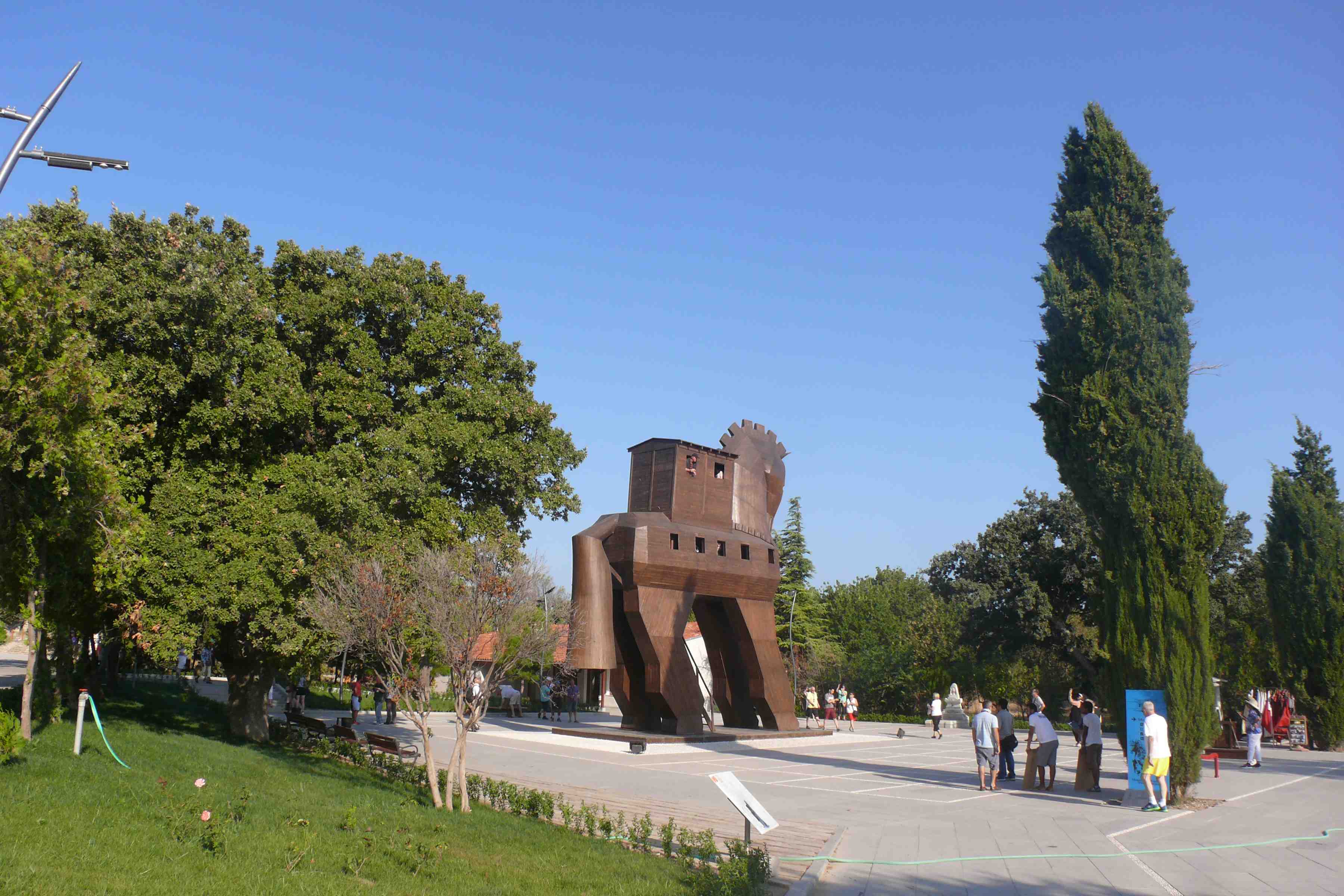 confused between history and mythology, but there is a replica of the Trojan Horse which can be explored. Unfortunately, we didn’t find Helen, not did we see any Spartans. The experience of the history though, is a truly wonderful thing.
As we continued our drive south along the western coast of Turkey we were blessed to be beside the Aegean Sea with a great view to the Greek Island of Lesbos.
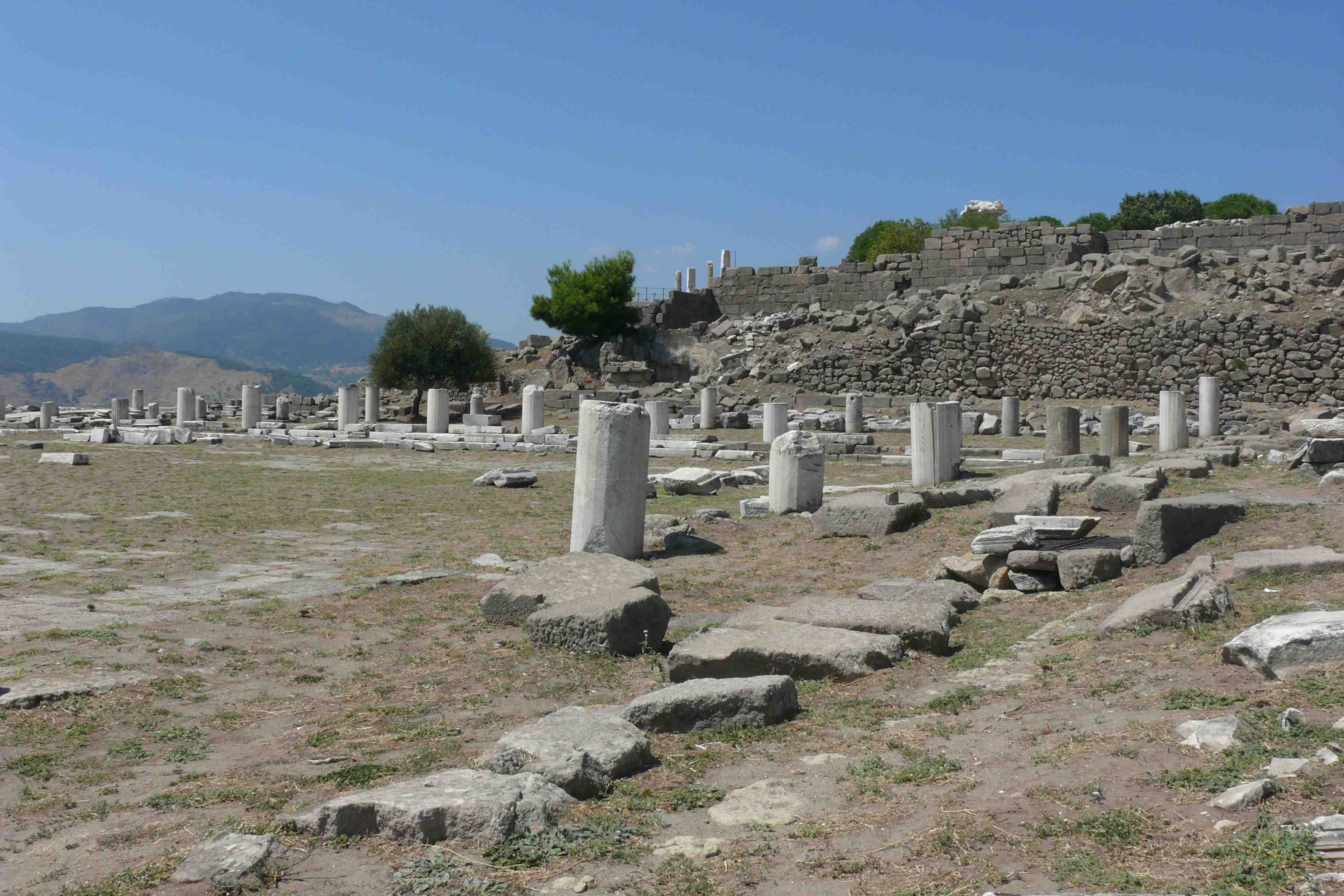 The afternoon was spent at Pergamum, the ancient city to which one of the seven letters in Revelation was addressed. Check it out in Revelation 2:12-17.
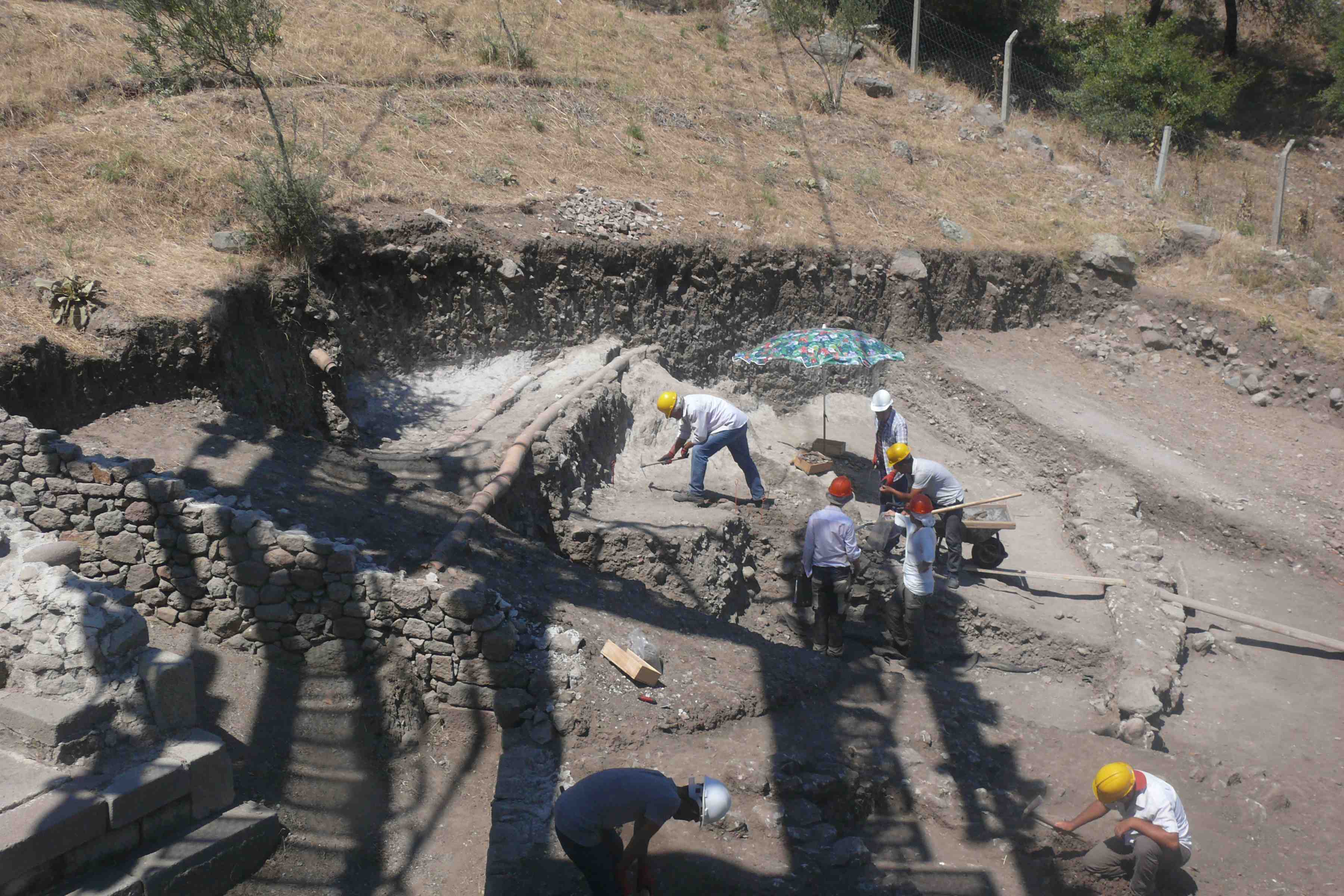 We ascended the acropolis by cable car and saw some excavating happening on the hill as we passed over. These amazing ruins showed evidence of a once thriving city that had the second largest library in the world after Alexandria.
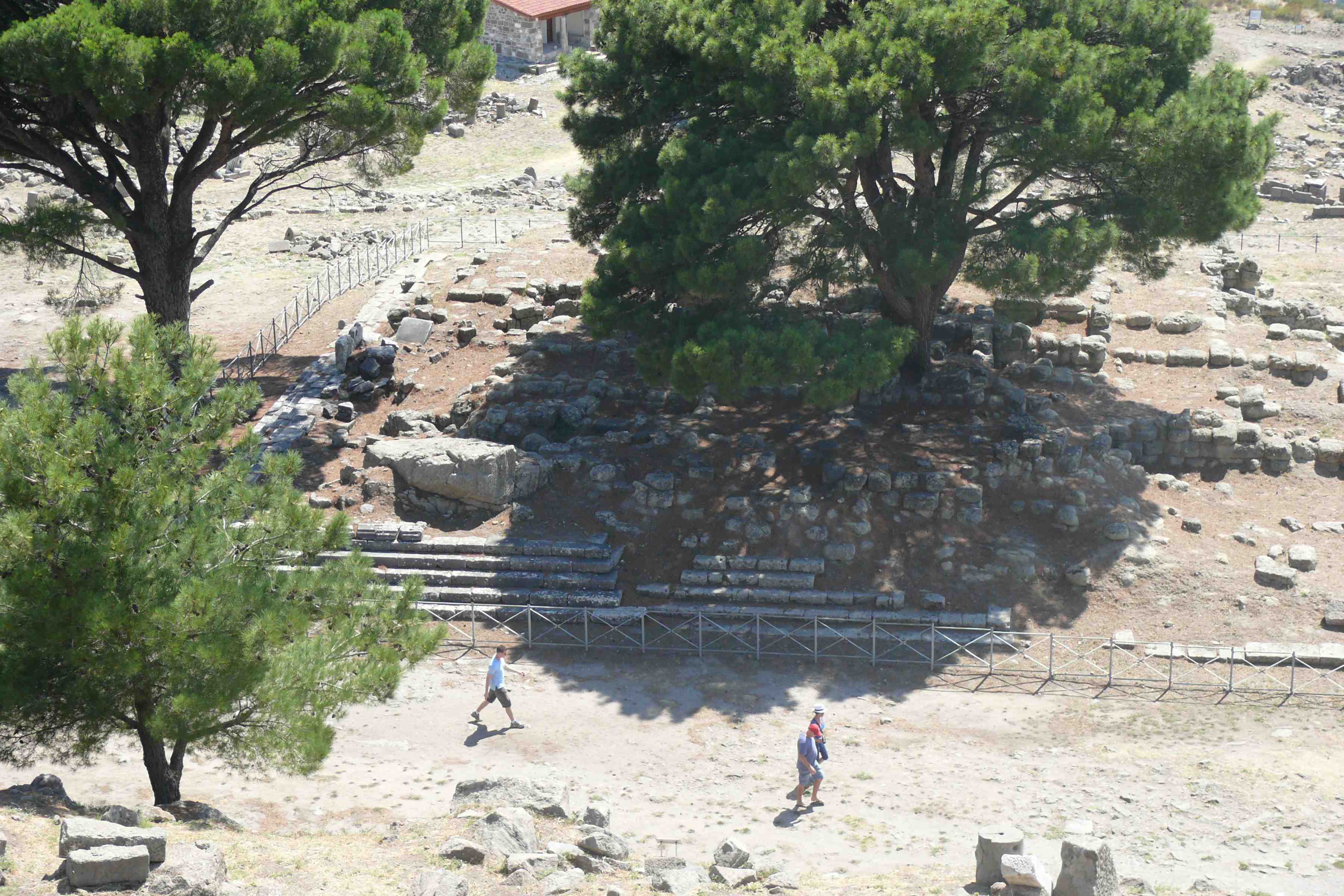
The people here invented parchment made out of goat and sheep skin. There was a Sanctuary of Athena and Demetus, and a Temple of Zeus. The massive theatre, in excellent condition, could hold 15,000 people. 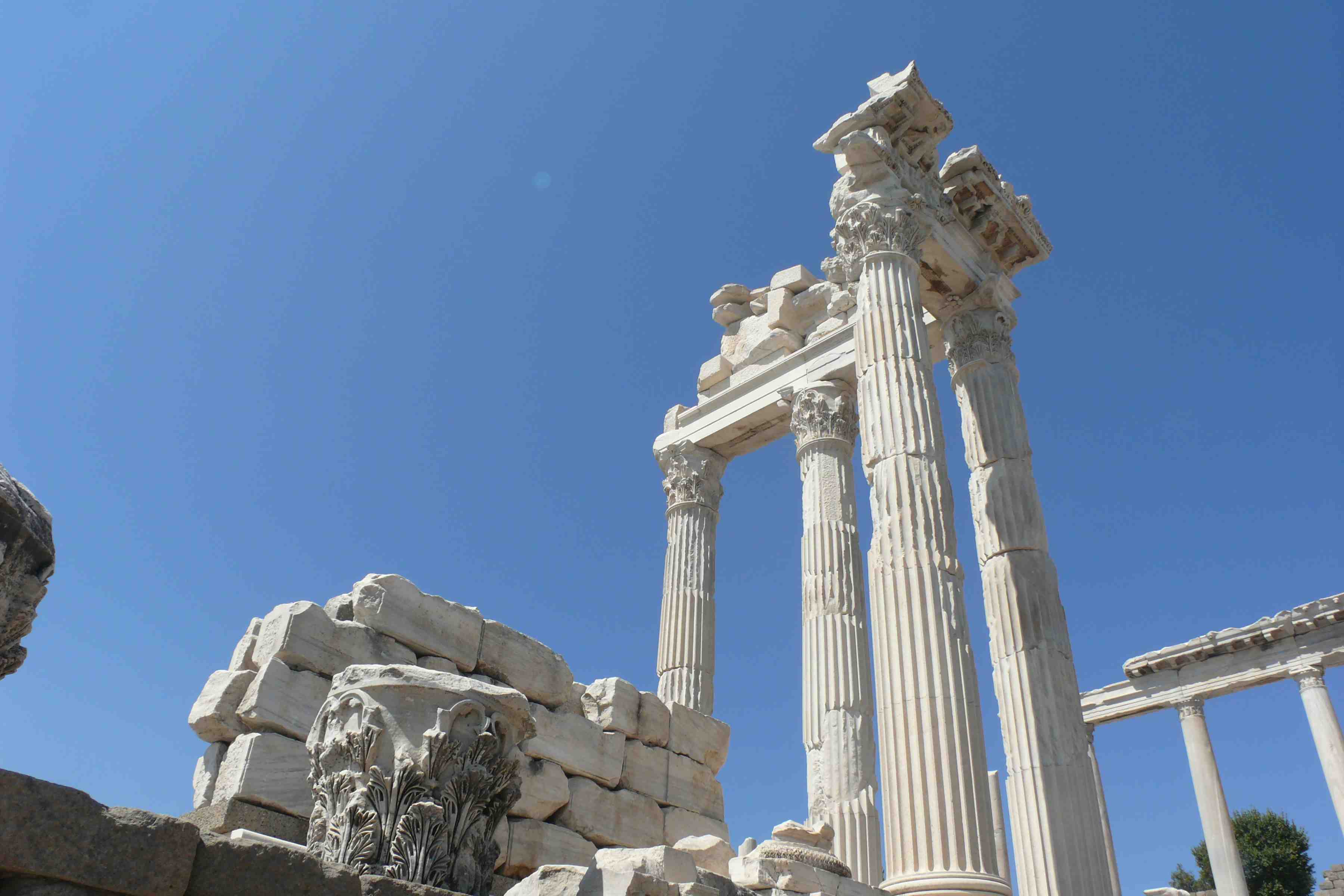 We saw the Sanctuary of Asklepios [medical centre at Pergamum]. This famous ancient hospital could house 3,500 patients and especially cared for and treated people with psychological disorders. It was at the base of the hill and was joined to the city by a long colonnaded street which we could see from the top.
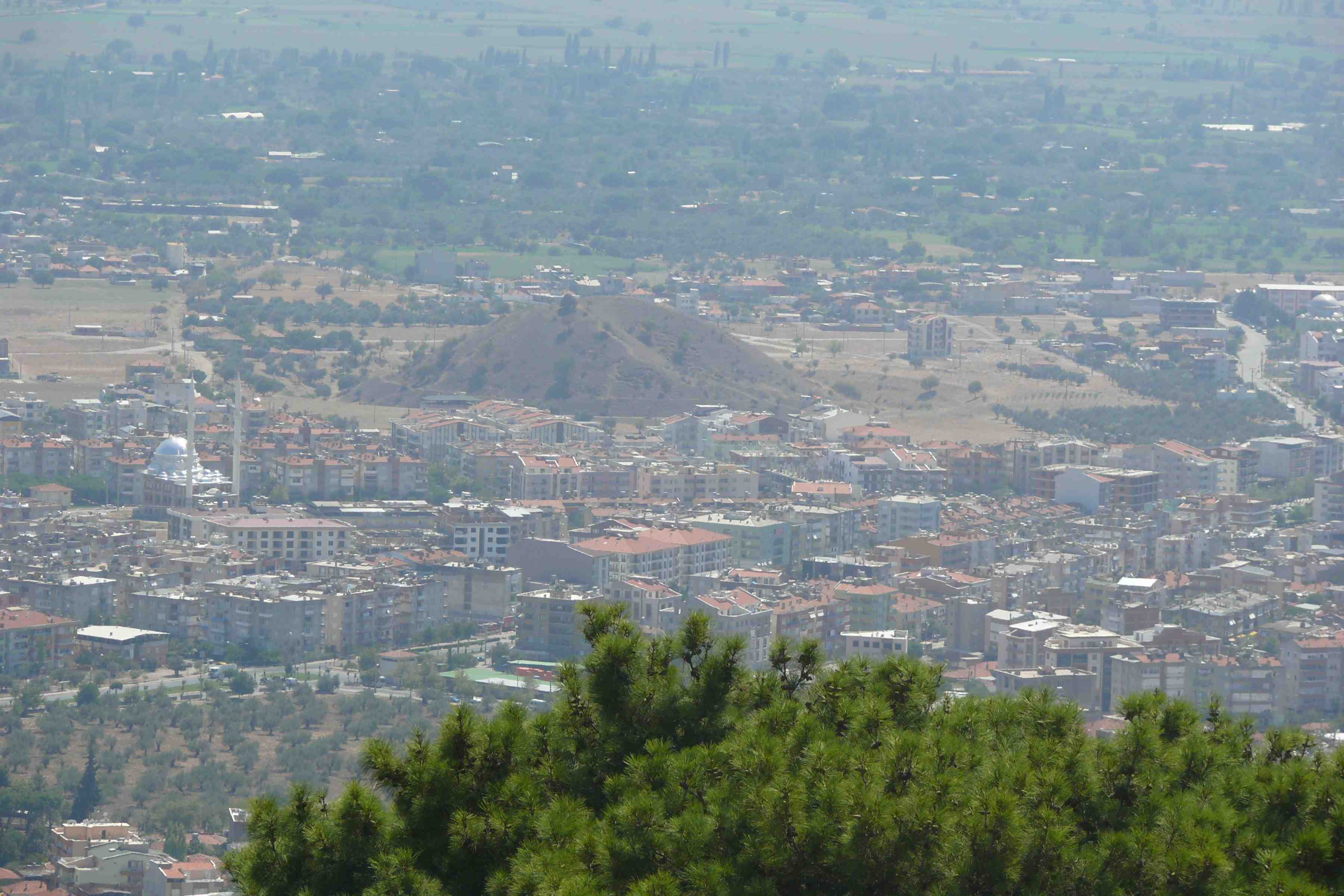 Also visible in the distance from the acropolis were two tumuli [burial mounds] situated in the modern city of Bergama. A tumulus was formed at the site of the burial of a rich or highly respected person, and buried with them was food, drink and all their possessions, so that when they were resurrected they had all they needed.
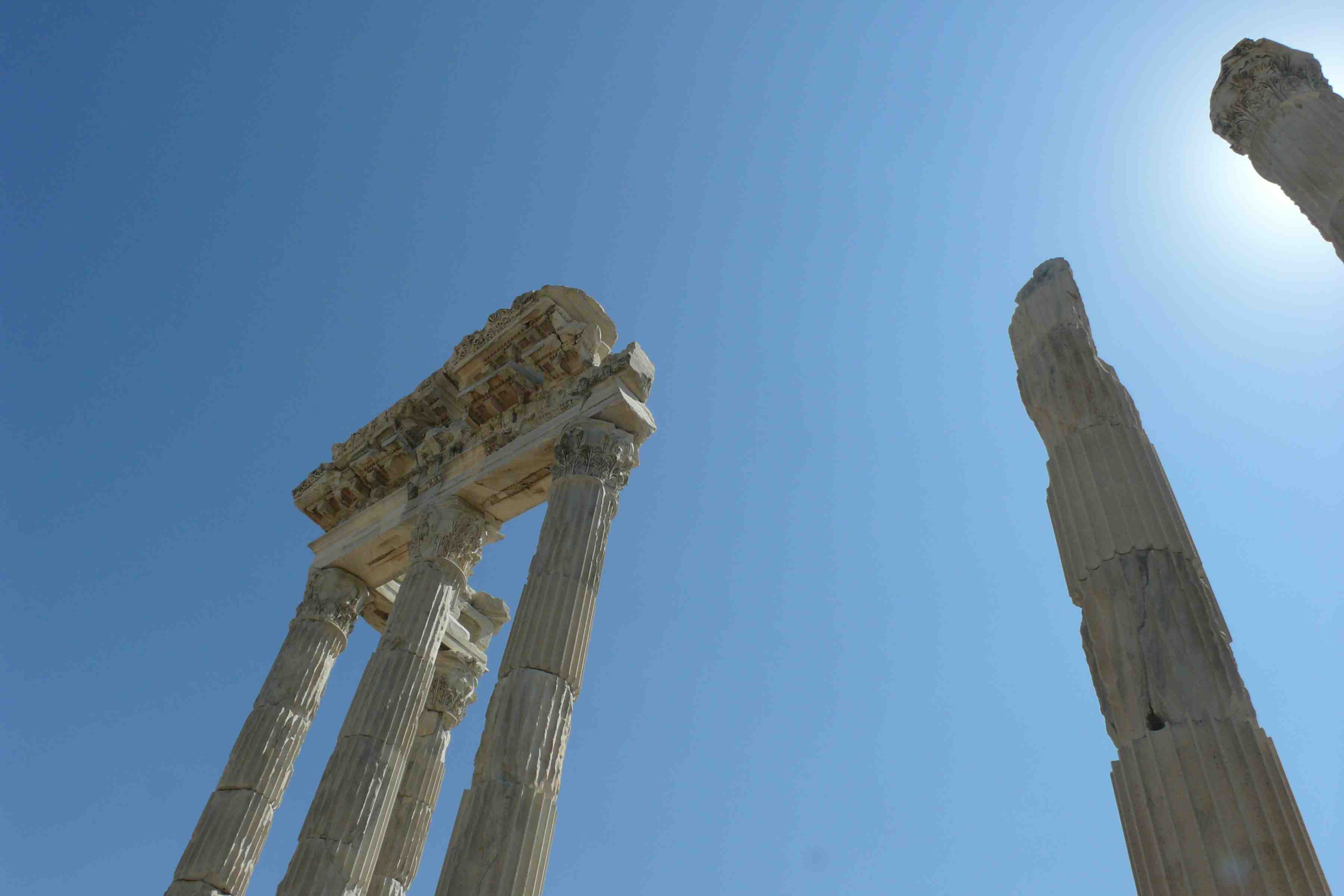 We were blown away by being here and came away thanking God that the Christian people of Pergamum were faithfully following Jesus despite the pagan worship surrounding them, and yet also aware that the same letter in Revelation 2 rebuked them for eating food offered to idols, obviously referring to the goats, sheep and bulls offered to Zeus.
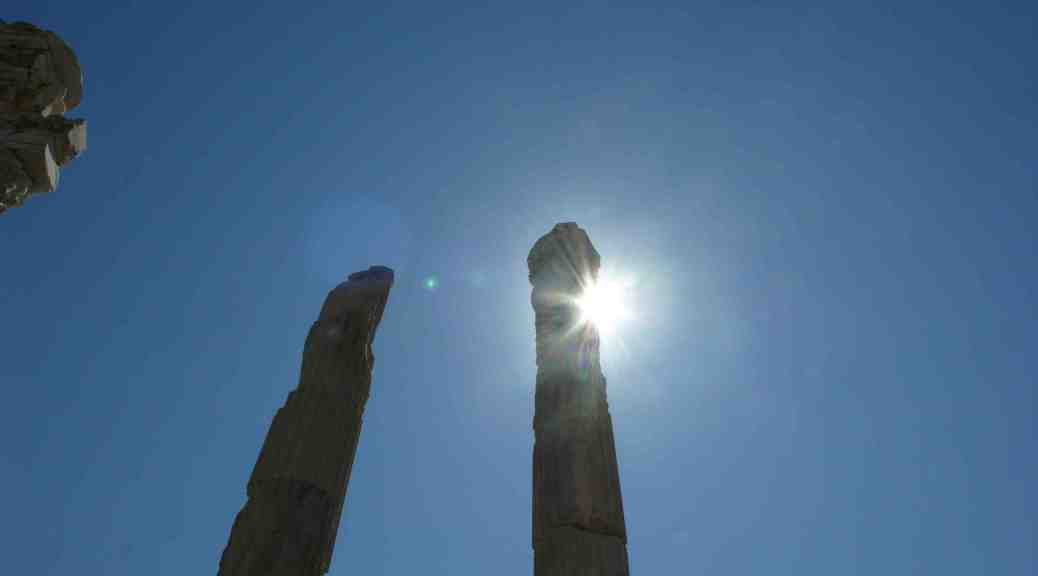
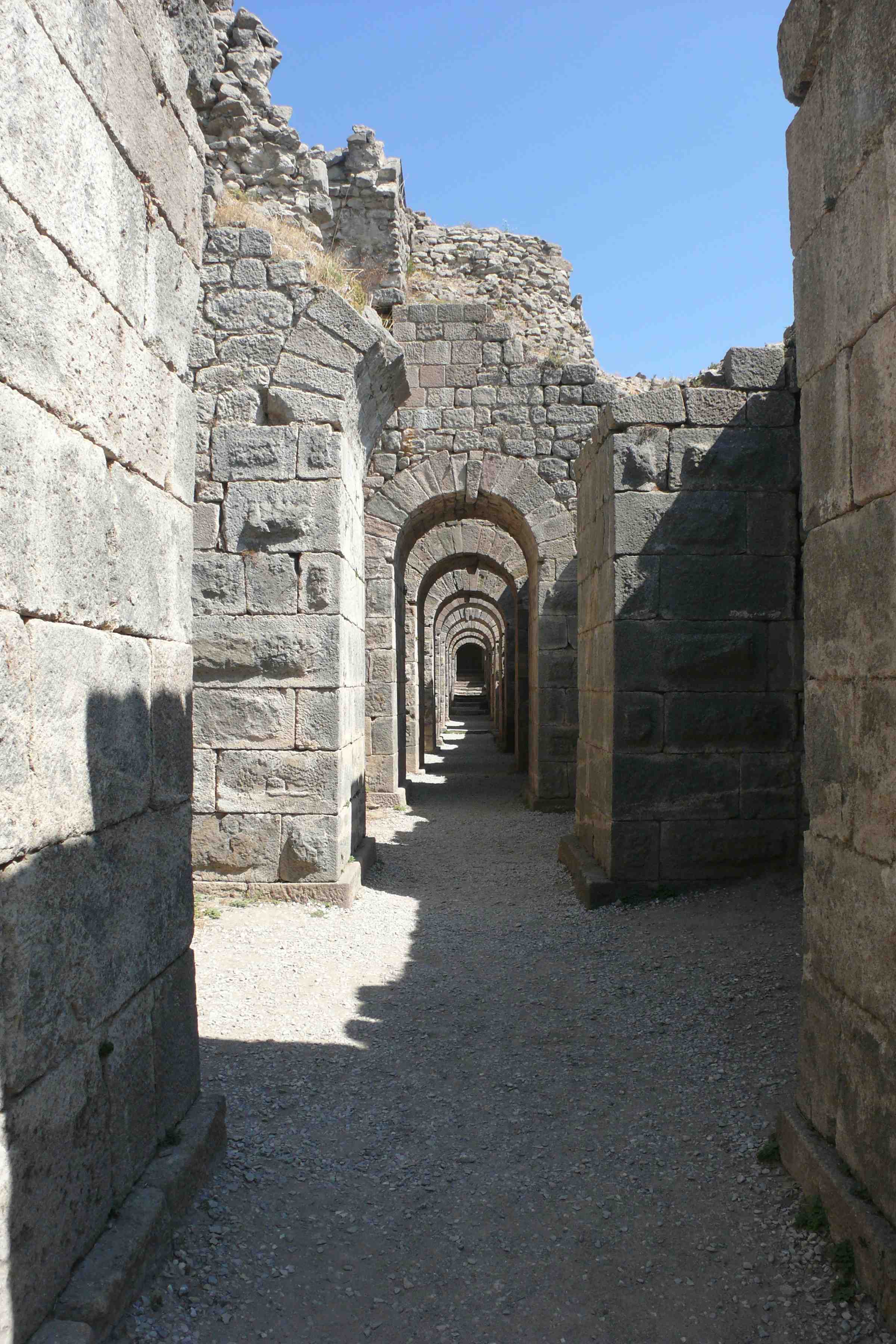 We had plenty of free time to explore on our own and walked around the fortress, through the Temple foundations and had amazing photo opportunities with the sun high in the sky at the Temple of Trajan.
 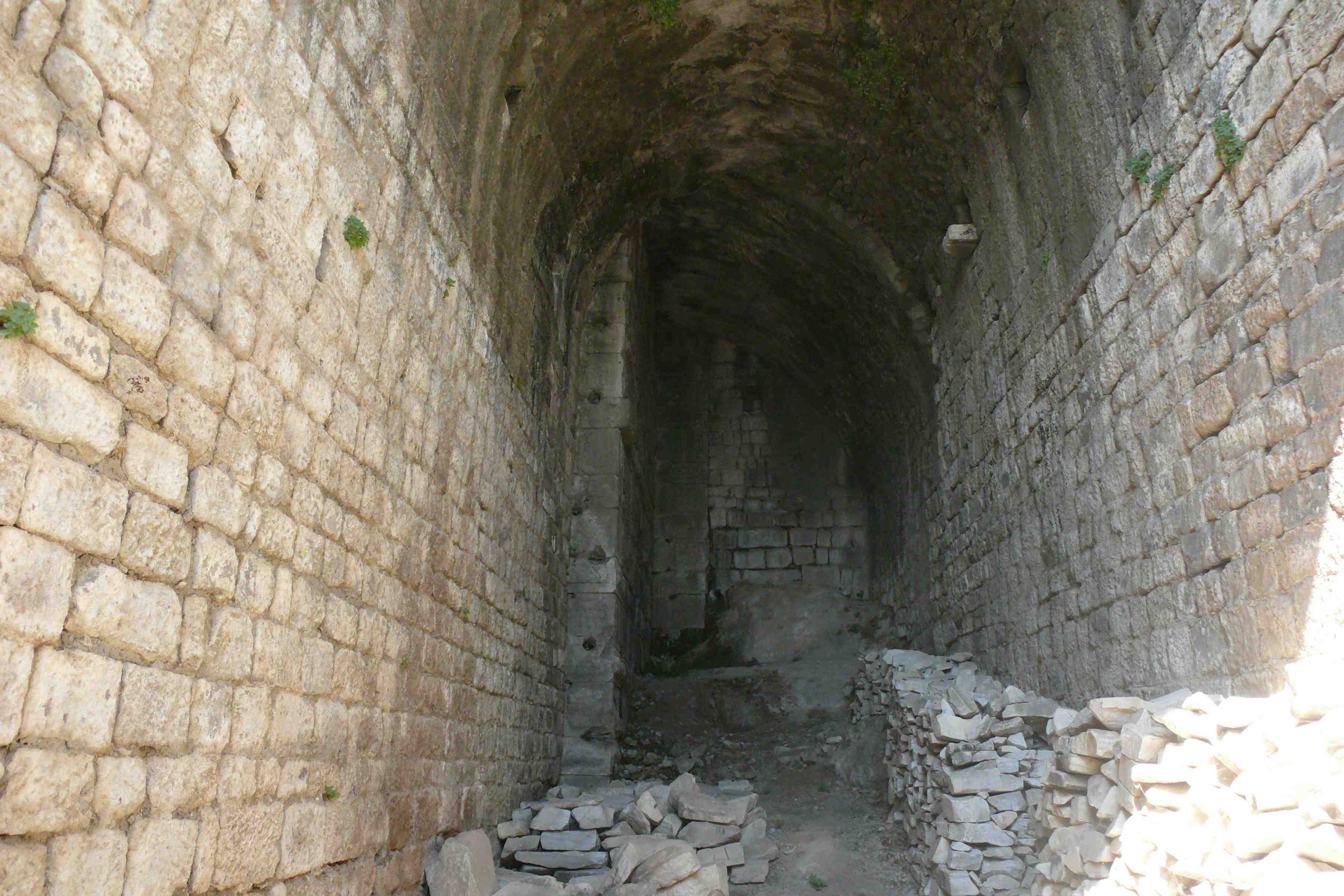 The foundations of the acropolis were a fantastic compilation of arches and stores, and really gave you the feeling of a lively and busy place with an active agora not far away.
To know that a Christian community had lived and faithfully followed and proclaimed Jesus as Lord in this place where we also were walking 2,000 years later, was yet another humbling and encouraging experience.
 Chris and Lynda Johnson
You seem to have the benefit of a good guide, much to be thankful for as you reflect on the first century Christian church